



There is something quietly reassuring about the ingredients that refuse to disappear.
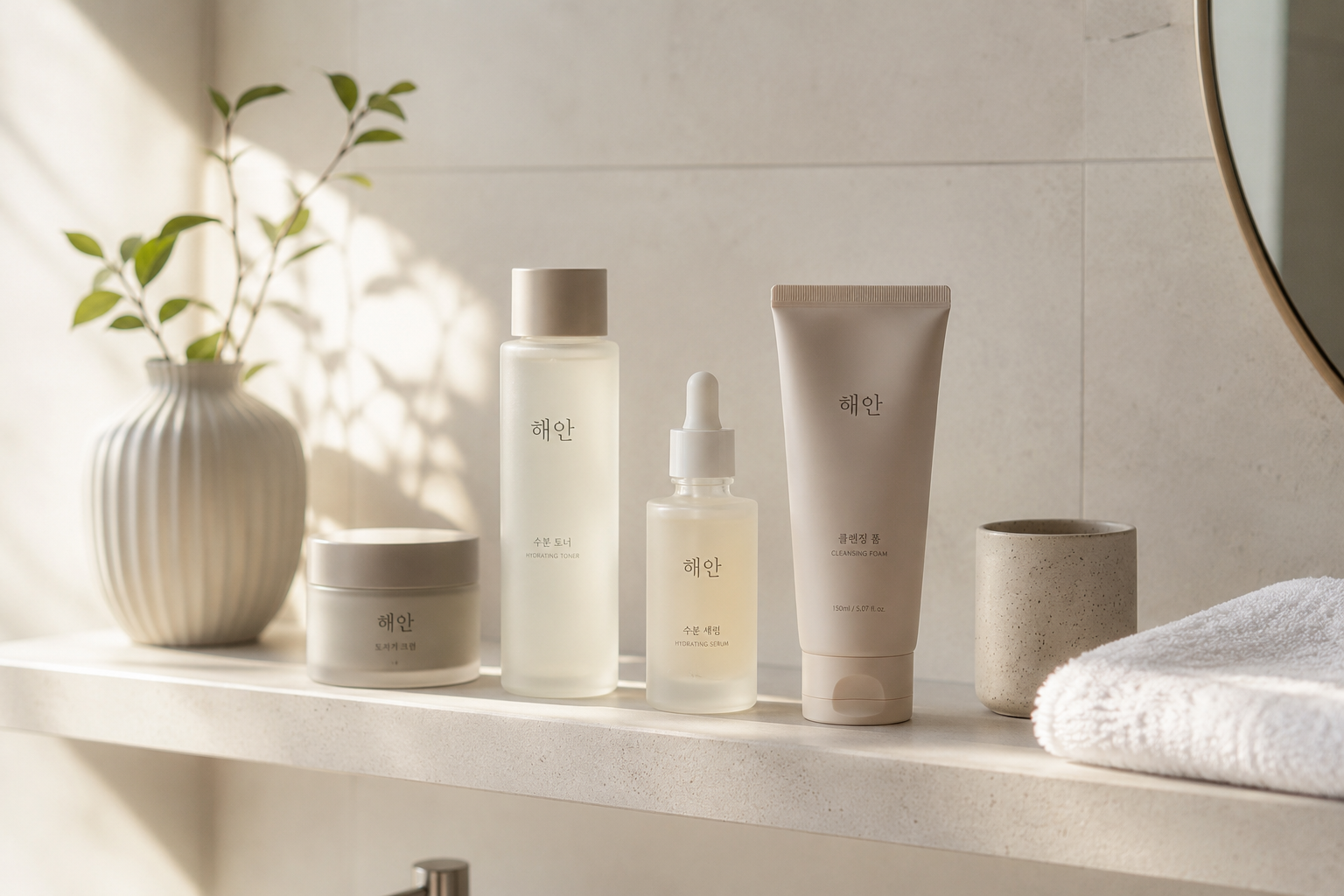
Walk into a contemporary skincare boutique in Seoul and you’ll find shelves lined with formulations powered by cutting-edge cosmetic science. Peptides, encapsulated vitamins, microbiome-friendly ferments and advanced delivery systems all speak to an industry constantly looking ahead.
Yet among these modern innovations sits an ingredient whose story began long before laboratories, dermatologists or the global rise of K-Beauty.
Rice.
Not simply as food, but as a beauty ritual passed from one generation to the next.
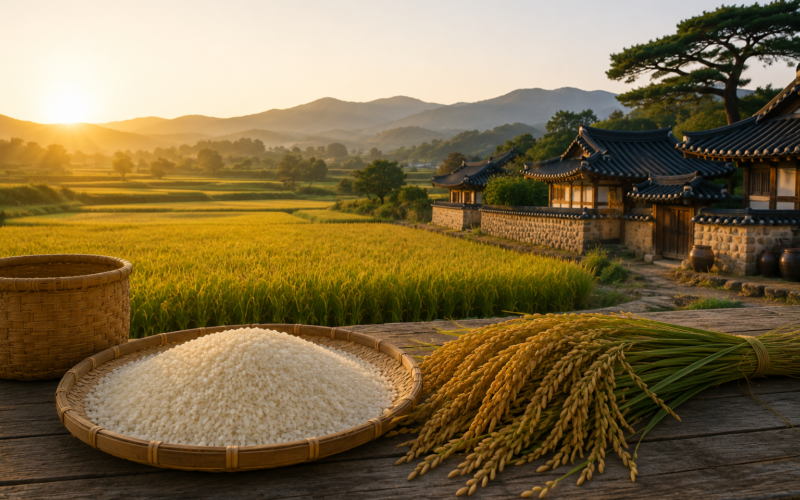
Long before Korean skincare became synonymous with glass skin and elaborate routines, the cloudy water left behind after rinsing rice was already finding a second purpose. It was carefully set aside, valued not for folklore alone but for the way it left skin feeling soft, refreshed and luminous.
Centuries later, cosmetic scientists are asking many of the same questions.
What exactly makes rice beneficial for the skin? Which compounds deserve a place in modern formulations? And does homemade rice water offer the same benefits as professionally developed skincare?
At SWORD Arabia, we believe the most enduring beauty ingredients survive not because of tradition alone, but because science continues to uncover new reasons to appreciate them. Rice water in Korean skincare is a perfect example, an ancient practice that has evolved into one of K-Beauty’s most recognisable ingredients through research, formulation and innovation.
What Is Rice Water?
At its simplest, rice water is the cloudy liquid produced when rice is rinsed or soaked before cooking. Rich in naturally occurring starches, amino acids, vitamins and minerals, it has been used for centuries across East Asia in both culinary and beauty traditions.
Traditional rice water is remarkably simple. Rice is washed, soaked in clean water for a period of time, and the resulting liquid is collected for cosmetic use. Some traditional preparations also involve fermentation, allowing naturally occurring microorganisms to alter the composition of the liquid over several days.
Modern skincare, however, tells a more sophisticated story.
When consumers see rice water, rice extract, or fermented rice extract on an ingredient list, these are not interchangeable terms. Cosmetic chemists carefully process rice to isolate specific compounds, improve stability, and ensure consistency from one bottle to the next.
This distinction matters because while homemade rice water can contain beneficial components, its composition varies considerably depending on the rice variety, preparation method and storage conditions. Professionally formulated products are standardised, tested for stability and preserved to help maintain both efficacy and safety.
Understanding these differences is essential for anyone building an effective rice water skincare routine.
The History of Rice in Korean Beauty
Traditional Beauty Rituals
Rice has shaped Korean life for centuries.
Beyond its importance as a staple food, it became closely associated with wellbeing, prosperity and daily self-care. Historical accounts from the Joseon Dynasty describe beauty routines centred on gentle cleansing, protection of the skin barrier and ingredients readily available within the home.
Rice naturally found its place within these rituals.
As families prepared meals, the milky water left after washing rice was often reused rather than discarded. While modern scientific analysis was still centuries away, generations observed that it left the skin feeling smoother and refreshed after cleansing.
This practical approach reflects an important aspect of traditional Korean beauty.
Ingredients were rarely viewed as miracle cures. Instead, they formed part of consistent daily rituals designed to maintain healthy-looking skin over time.
That philosophy continues to influence modern K-Beauty ingredients, where prevention, hydration and skin health remain central principles.
From Tradition to Laboratory
Tradition, however, tells only part of the story.
Today’s Korean skincare industry does not simply bottle ancient beauty rituals.
It studies them.
As cosmetic science advanced, researchers began analysing rice to identify the compounds responsible for its potential skincare benefits. Rather than relying on raw rice water alone, manufacturers developed refined extracts, fermented ingredients and advanced formulations capable of delivering greater stability and consistency.
This evolution mirrors the wider philosophy explored in our Korean Skincare Guide, where centuries-old traditions continue to inspire some of the world’s most innovative cosmetic research.
The result is a new generation of products that honour their cultural origins while meeting modern standards for safety, efficacy and formulation.
Why Rice Never Disappeared From Korean Beauty
Beauty trends often come and go.
Ingredients that dominate skincare conversations one decade may quietly disappear the next, replaced by newer discoveries or changing consumer preferences.
Rice followed a different path.
Its longevity reflects more than nostalgia.
Across East Asia, rice has always represented nourishment, simplicity and everyday wellness. Unlike fashionable ingredients that rise quickly through marketing, rice remained part of daily life, making its transition into skincare feel both natural and enduring.
There is also a practical reason for its lasting appeal.
Modern cosmetic formulation has shown that rice contains a diverse range of naturally occurring compounds, including amino acids, antioxidants and skin-conditioning components, that make it a valuable foundation for a variety of skincare products.
Rather than replacing traditional knowledge, contemporary cosmetic science has refined it.
This is why today’s consumers are just as likely to encounter rice in a lightweight rice toner, a hydrating essence or a brightening serum as they are in traditional beauty rituals.
Its role has evolved, but its relevance has remained remarkably consistent.
Why Rice Water Is Used in Modern Skincare
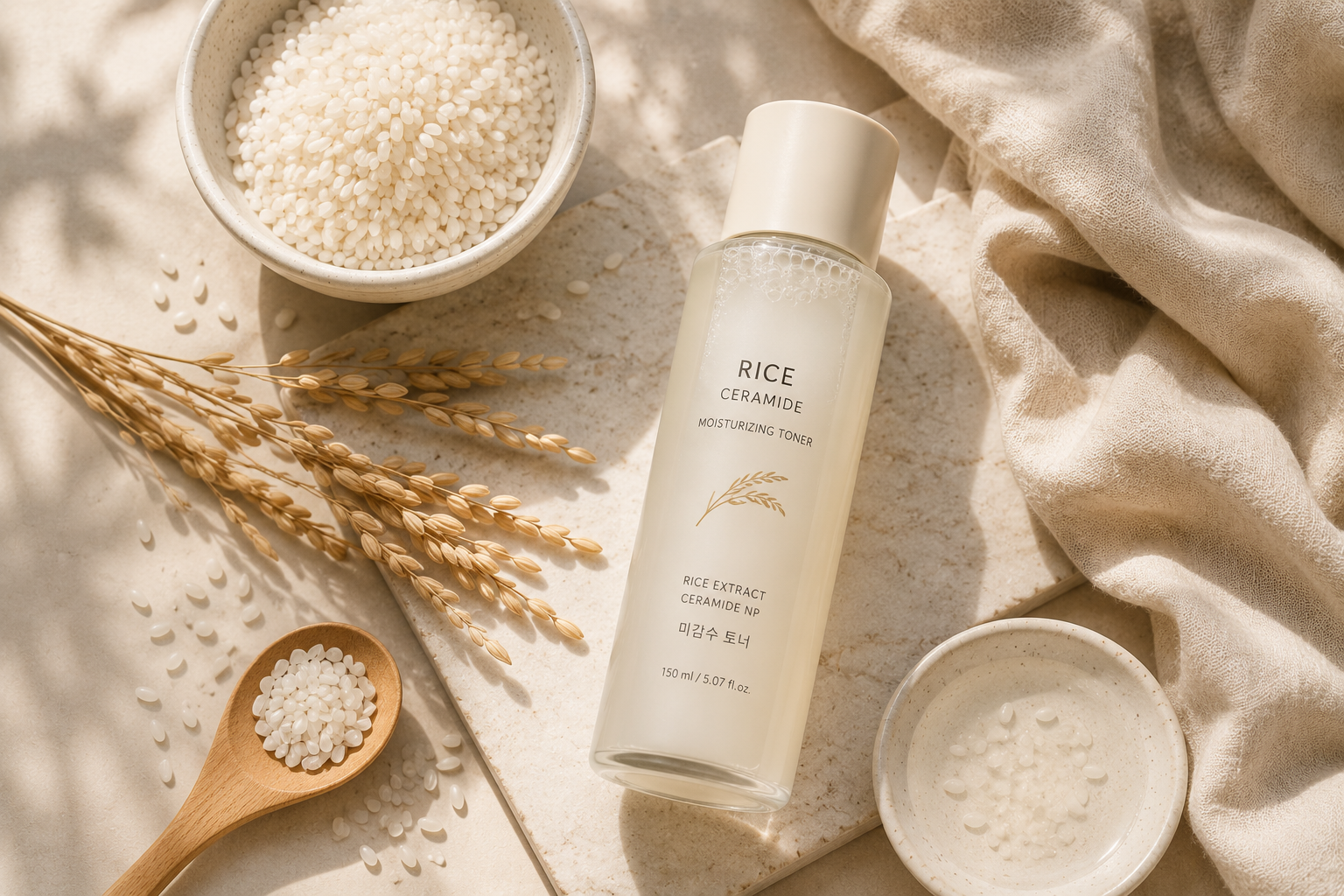
Walk through the skincare aisles of Seoul today and rice appears in products designed for almost every step of a routine, from cleansers and toners to serums and moisturisers.
Its popularity is not built on a single extraordinary property, but on a combination of characteristics that complement healthy skin.
Hydration
Healthy skin begins with hydration.
Rice-derived ingredients help support the skin’s ability to retain moisture by contributing amino acids and skin-conditioning compounds that leave the complexion feeling softer and more comfortable.
Many formulations combine rice extract skincare ingredients with humectants such as glycerin and hyaluronic acid, creating products that attract water while helping maintain long-lasting hydration.
This focus on moisture aligns closely with the philosophy behind Glass Skin Explained, where luminous skin is achieved through consistent hydration rather than heavy makeup or unrealistic expectations.
According to the American Academy of Dermatology, maintaining adequate skin hydration is one of the fundamental steps in supporting a healthy skin barrier and improving overall skin appearance.
Great—let’s continue.
Why Rice Water Is Used in Modern Skincare
Skin-Brightening Support
One of the reasons rice water in Korean skincare continues to attract attention is its association with brighter, more radiant-looking skin.
It’s important, however, to distinguish between brightening and whitening.
Brightening skincare focuses on improving the appearance of dullness, uneven skin tone and post-inflammatory marks so the complexion looks healthier and more luminous. It does not permanently change a person’s natural skin colour.
Rice contains naturally occurring compounds, including amino acids, antioxidants and small amounts of nutrients that may contribute to a more even-looking complexion. Modern skincare formulations often pair rice extract with well-studied brightening ingredients such as niacinamide to enhance these effects while supporting overall skin health.
This layered approach reflects how Korean skincare is formulated today. Rather than relying on a single hero ingredient, products are designed so multiple ingredients work together, each supporting a different aspect of the skin.
That philosophy explains why many rice water products are marketed not as instant brightening treatments, but as daily essentials that gradually improve the skin’s natural radiance through consistent use.
Antioxidant Compounds
Every day, the skin is exposed to environmental stressors such as ultraviolet radiation, air pollution and oxidative stress.
Over time, these factors can contribute to visible signs of ageing, uneven skin tone and a dull complexion.
Rice-derived ingredients contain naturally occurring antioxidant compounds—including phenolic compounds and vitamin E derivatives found in certain parts of the rice grain—that help protect the skin from oxidative damage.
Although rice is not considered one of skincare’s most potent antioxidant ingredients, it contributes to a broader strategy of maintaining healthy-looking skin when combined with ingredients such as vitamin C, green tea extract or fermented skincare ingredients.
Researchers continue to explore the antioxidant potential of rice-derived compounds, with studies suggesting promising cosmetic applications, particularly when extracts are carefully processed and incorporated into professionally formulated skincare products.
According to research published through the National Center for Biotechnology Information (NCBI), rice-derived extracts contain bioactive compounds that demonstrate antioxidant activity, making them valuable ingredients for cosmetic formulation when appropriately processed.
Barrier Support
Healthy skin begins with a healthy barrier.
Often referred to as the skin barrier, this outermost layer helps prevent moisture loss while protecting the skin from environmental irritants, allergens and pollution.
When the barrier becomes compromised, skin may feel dry, tight, irritated or more reactive than usual.
Although rice water alone is not capable of repairing the skin barrier, rice-derived ingredients can help support it by contributing gentle hydration and skin-conditioning benefits.
Modern Korean formulations frequently combine rice extract with proven barrier-supporting ingredients such as ceramides, panthenol, glycerin and hyaluronic acid. Together, these ingredients work more effectively than rice alone, reinforcing the principle that successful skincare depends on thoughtful formulation rather than a single ingredient.
This emphasis on barrier health has become one of the defining characteristics of contemporary K-Beauty, where maintaining resilient skin is often considered more important than chasing rapid results.
If you’re building a routine focused on strengthening your complexion, our Skin Barrier Guide explores the science behind barrier repair in greater detail.
Rice Water vs Rice Extract vs Fermented Rice
Not all rice-derived skincare ingredients are created equally.
One of the biggest misconceptions surrounding rice water skincare is the assumption that every rice-based ingredient delivers the same benefits. In reality, cosmetic chemists use several different forms of rice, each offering distinct characteristics depending on how it is processed.
Understanding these differences helps explain why professionally formulated products often outperform homemade preparations.
Rice Water
Traditional rice water is produced by soaking or rinsing uncooked rice.
It contains a mixture of starches, amino acids and naturally occurring nutrients that vary depending on the type of rice used, the soaking time and even the water itself.
Because homemade rice water is unpreserved, its composition changes rapidly as microorganisms begin to grow. While refrigeration may slow this process, it does not provide the consistency, stability or microbiological testing expected of commercial skincare.
For that reason, homemade rice water is best viewed as a traditional beauty practice rather than a substitute for professionally formulated products.
Rice Extract
Rice extract represents the modern evolution of this traditional ingredient.
Rather than using the soaking water itself, manufacturers isolate beneficial compounds from different parts of the rice grain under carefully controlled conditions. The resulting extract can then be standardised, purified and incorporated into products at known concentrations.
This process allows formulators to create products that are more stable, more consistent and better suited to long-term skincare use.
Today, rice extract skincare products appear in cleansers, toners, essences, serums and moisturisers designed to support hydration, radiance and overall skin comfort.
Fermented Rice Extract
Fermentation adds another layer of sophistication.
During fermentation, carefully selected microorganisms break down larger molecules into smaller components that may become more easily utilised within cosmetic formulations.
The process can also generate additional amino acids and antioxidant compounds while improving the texture and sensory experience of the final product.
It is important, however, not to overstate these benefits.
While fermented rice skincare has become increasingly popular, research remains ongoing, and not every fermented ingredient will automatically outperform its non-fermented counterpart.
The quality of the formulation, the concentration of active ingredients and the overall product design remain far more important than fermentation alone.
This is why consumers should look beyond marketing claims and evaluate the complete formulation rather than focusing on a single ingredient.
Excellent. Here’s the final part.
Who Should Use Rice-Based Skincare?
One of the reasons rice water in Korean skincare has remained so popular is its versatility.
Unlike highly active ingredients designed to target specific concerns, rice-derived ingredients tend to support overall skin health. Their gentle nature makes them suitable for many skin types, although the surrounding formulation ultimately determines how a product performs.
Dry Skin
Dry skin often benefits from products that combine rice extract with ingredients such as hyaluronic acid, glycerin, ceramides and panthenol.
Together, these ingredients help attract moisture while supporting the skin barrier, leaving the complexion feeling softer and more comfortable.
A hydrating rice toner or essence can be an excellent first layer before applying richer moisturisers.
If you’re unsure whether your skin is genuinely dry or simply dehydrated, our How to Find Your Skin Type guide explains how to recognise the difference.
Dull Skin
Loss of radiance is one of the most common reasons people seek out rice skincare products.
While rice-derived ingredients are unlikely to transform the complexion overnight, consistent use may help improve the appearance of dullness by supporting hydration and encouraging a smoother skin surface that reflects light more evenly.
Many brightening formulations also pair rice extract with niacinamide, vitamin C derivatives or gentle exfoliating acids for more comprehensive results.
If you’re interested in ingredients that promote naturally luminous skin, our Glass Skin Explained guide explores how hydration, barrier health and thoughtful layering work together to create the signature K-Beauty glow.
Sensitive Skin
Many rice-based products are formulated with sensitive skin in mind because rice-derived ingredients are generally considered gentle.
However, sensitivity varies from person to person.
Fragrance, essential oils, preservatives or exfoliating acids included within the same product may still trigger irritation.
For this reason, patch testing any new skincare product remains advisable, particularly for those with eczema, rosacea or highly reactive skin.
Combination Skin
Combination skin often benefits from lightweight formulations that provide hydration without feeling heavy.
Rice essences, lightweight emulsions and hydrating toners can help maintain moisture in drier areas while remaining comfortable across oilier parts of the face.
Rather than selecting products solely because they contain rice, consider how the complete formulation complements your individual skin needs.
How to Add Rice Ingredients to Your Routine
One of the strengths of rice water skincare is its versatility.
Rice-derived ingredients appear throughout the modern Korean skincare routine, allowing consumers to incorporate them in whichever step best suits their goals.
Cleanser
A gentle cleanser containing rice extract can remove impurities while helping the skin feel comfortable rather than stripped.
Although cleansers remain on the skin only briefly, they can still contribute to a more nourishing cleansing experience.
Toner
Rice toners are among the most popular K-Beauty ingredients for daily hydration.
Applied immediately after cleansing, they help replenish moisture while preparing the skin for the products that follow.
Essence
Essences often contain concentrated hydrating ingredients with lightweight textures that absorb quickly.
Rice-based essences are particularly popular among those pursuing the healthy, luminous complexion associated with Korean skincare.
Serum
Serums allow rice extract to work alongside more targeted ingredients.
Depending on the formulation, they may combine rice with niacinamide for brightening support, peptides for healthy ageing, or antioxidants for environmental protection.
Moisturiser
A moisturiser enriched with rice-derived ingredients helps seal hydration into the skin while supporting the barrier throughout the day or overnight.
Combined with daily sun protection, this consistent approach is far more effective than relying on a single hero ingredient.
For a complete routine, our Morning vs Evening Skincare Routine explains how each step works together for healthier-looking skin.
Which Korean Skincare Products Contain Rice Ingredients?
Rice-derived ingredients appear across a wide range of modern Korean skincare brands.
Some of the best-known examples include products from Beauty of Joseon, I’m From, Haruharu Wonder, House of Dohwa, Round Lab, The Face Shop and COSRX, each incorporating rice in different ways depending on the product’s purpose.
Some focus on hydration through lightweight toners and essences.
Others combine rice extract with barrier-supporting ingredients, antioxidants or brightening actives to create more comprehensive formulations.
Rather than choosing products based on marketing alone, consider the complete ingredient list, the product’s intended function and your own skin type.
Common Myths About Rice Water
As rice water has gained popularity beyond Korea, several misconceptions have followed.
Separating tradition from evidence helps set realistic expectations.
Myth: Homemade Rice Water Is Always Better
Not necessarily.
Homemade rice water reflects an important beauty tradition, but professionally formulated skincare offers greater consistency, stability and microbiological safety.
Modern formulations are also able to combine rice-derived ingredients with complementary actives that enhance overall performance.
Myth: Rice Water Permanently Whitens Skin
False.
Rice-derived ingredients may help improve the appearance of dullness and uneven tone, creating a brighter-looking complexion.
They do not permanently lighten natural skin colour.
Myth: More Frequent Use Produces Better Results
Healthy skin rarely benefits from excess.
Whether using a rice toner, essence or serum, consistency matters far more than frequency.
Following the product’s recommended directions while maintaining a balanced skincare routine generally produces better long-term results than overusing any single ingredient.
Frequently Asked Questions
Is rice water good for skin?
Rice-derived ingredients can help support hydration, improve the appearance of radiance and contribute to overall skin comfort. While they are not miracle ingredients, they work well as part of a consistent skincare routine built around healthy skin barrier function.
Is homemade rice water effective?
Homemade rice water may provide a refreshing cleansing experience, but its composition varies significantly and it lacks the stability and preservation of professionally formulated skincare products.
What’s the difference between rice water and rice extract?
Rice water is the liquid produced when rice is rinsed or soaked. Rice extract is a refined cosmetic ingredient produced under controlled conditions, allowing greater consistency, stability and formulation flexibility.
Does fermented rice offer additional benefits?
Fermentation may alter the composition of rice-derived ingredients, potentially improving certain cosmetic properties. However, research is still evolving, and the overall quality of the formulation remains more important than fermentation alone.
Can rice water help achieve glass skin?
Rice-derived ingredients can support hydration and radiance, two important characteristics of the glass skin aesthetic. However, achieving healthy-looking skin depends on a complete routine that includes cleansing, hydration, moisturisation and daily sun protection.
Are rice-based products suitable for sensitive skin?
Many are, particularly when combined with barrier-supporting ingredients and free from unnecessary irritants. Individuals with sensitive skin should still patch test any new product before applying it to the entire face.
The Final Word
Walk through any modern Korean beauty store and you’ll encounter shelves filled with sophisticated formulations powered by peptides, advanced ferments and cutting-edge cosmetic technologies.
Yet rice remains quietly present among them.
Not because tradition alone preserved its reputation, but because modern cosmetic science found lasting value in an ingredient that generations had already trusted.
That balance between heritage and innovation is one of the defining characteristics of K-Beauty.
Rice water inspired the journey.
Cosmetic formulation transformed it.
For today’s skincare enthusiasts, the question is no longer whether rice belongs in modern beauty. It is how thoughtfully it has been reimagined.
At SWORD Arabia, we believe the most enduring skincare ingredients are those that withstand both time and scientific scrutiny. Rice-derived ingredients are not miracle solutions, nor do they replace a well-rounded skincare routine. But when thoughtfully formulated and consistently used, they can help support healthier, more hydrated and naturally radiant skin—proving that some traditions become even more meaningful when viewed through the lens of modern science.