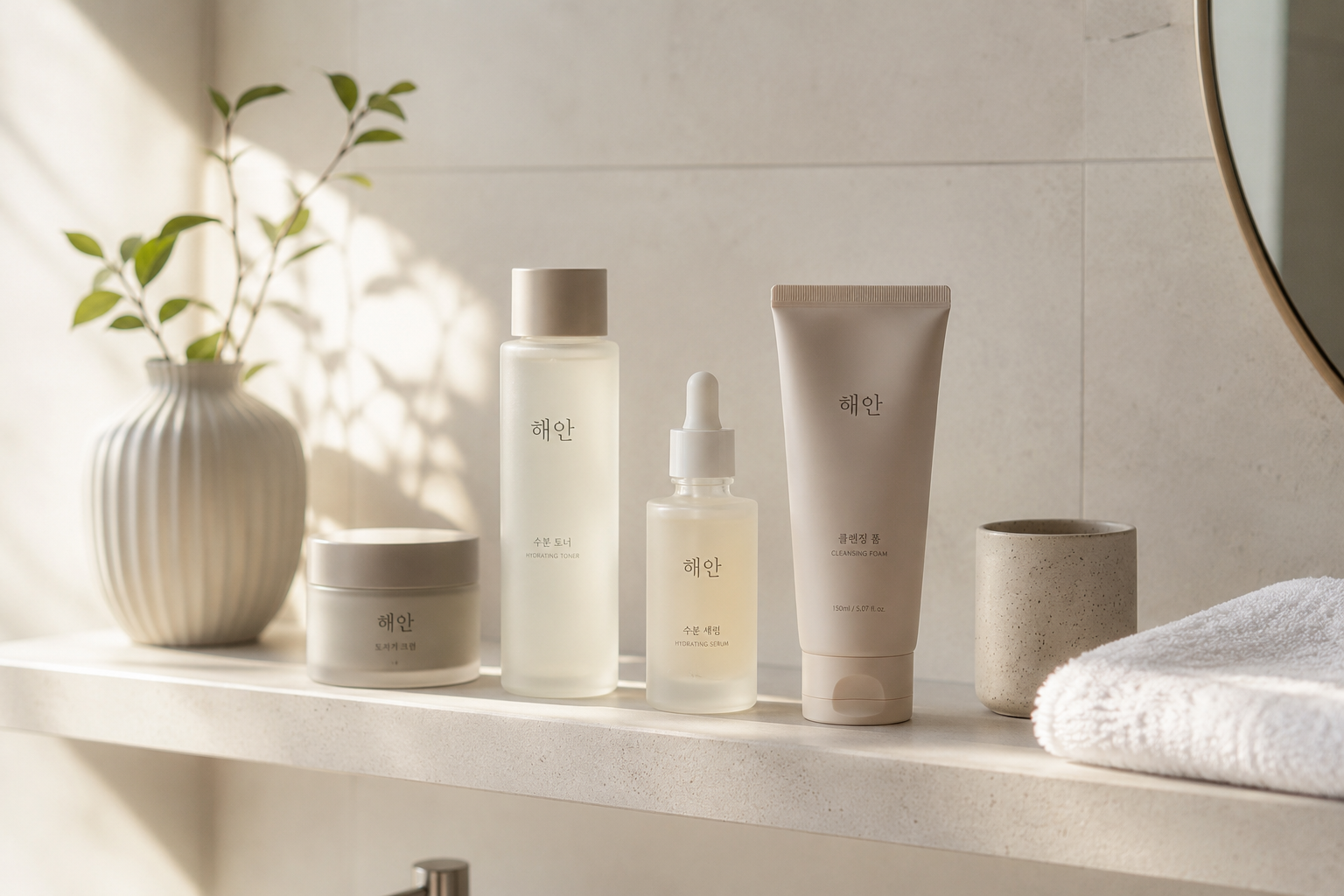





Skincare is often described as a routine.
In reality, it is a conversation with the skin—one that changes as the day unfolds.
From the moment we step outside in the morning, our skin begins responding to sunlight, pollution, fluctuating temperatures and environmental stress. By evening, those priorities shift. Protection gives way to recovery, and the skin turns its attention toward repairing what the day has left behind.
Understanding that rhythm changes everything.
Many skincare routines become unnecessarily complicated because they treat every hour of the day the same. Products are layered without purpose, active ingredients are combined indiscriminately, and consumers are left wondering whether more steps automatically mean better results.
Healthy skin rarely works that way.
The most effective routines are not built around trends or overflowing bathroom shelves. They are built around biology. They recognise that the skin has different responsibilities in the morning than it does at night, and they adapt accordingly.
That simple shift in perspective explains why dermatologists continue to emphasise consistency over complexity (American Academy of Dermatology). It also explains why the most successful skincare routines are often the ones that feel surprisingly uncomplicated.
Whether you follow a minimalist three-step routine or a more comprehensive regimen inspired by K-Beauty, understanding when to use a product is often just as important as understanding why you are using it.
If you’re new to Korean skincare, our Korean Skincare Guide provides a deeper look at the philosophy behind prevention, hydration and long-term skin health before building your daily routine.
Why Your Skin Has Different Needs During the Day and at Night
Your skin is constantly working, but its priorities are not the same around the clock.
During the day, its primary role is defence.
Sunlight exposes the skin to ultraviolet radiation. Pollution settles on its surface. Heat, wind and air conditioning gradually reduce moisture levels, while everyday activities introduce environmental stress that the skin must continuously manage.
At night, those external pressures begin to fade.
Instead of defending itself, the skin shifts more of its energy toward recovery. This natural rhythm is influenced by the body’s circadian clock, which helps regulate many biological processes, including aspects of skin repair and barrier function.
Rather than viewing morning and evening routines as separate checklists, it is more useful to think of them as complementary.
One protects.
The other restores.
How Skin Protects Itself During the Day
Every morning, your skin faces a series of invisible challenges.
Ultraviolet radiation remains one of the leading contributors to premature skin ageing and uneven pigmentation, while pollution and oxidative stress generate free radicals that can gradually weaken the skin’s structure.
The skin barrier—its outermost protective layer—works continuously to retain moisture while defending against these external aggressors.
This is why a morning routine should focus less on intensive treatment and more on supporting the skin’s natural defences.
Antioxidants such as Vitamin C help neutralise free radicals before they contribute to visible damage. Moisturisers reinforce the skin barrier by reducing moisture loss. Sunscreen then provides the final layer of protection, helping shield the skin from UVA and UVB exposure throughout the day.
Each step builds upon the previous one.
None is intended to work alone.
How Skin Repairs Itself Overnight
Nighttime offers something the day rarely does.
Recovery.
As environmental exposure decreases, the skin enters a period where restorative processes become more active. Water loss from the skin may increase during sleep, making overnight hydration particularly important, while ingredients designed to improve texture, pigmentation or signs of ageing are generally better suited to an evening routine.
This is why products such as retinol, exfoliating acids and barrier-repair creams are commonly introduced after sunset.
They are not more effective because it is nighttime.
They are more appropriate because the skin no longer needs to prioritise defending itself against sunlight, allowing these ingredients to become part of a recovery-focused routine.
Morning vs Evening Skincare Routine: Morning Steps
A successful morning routine is surprisingly modest.
Its purpose is not to transform the skin before breakfast. It is to prepare the skin for everything the day is about to bring.
Step 1: Gentle Cleanser
The morning cleanse removes sweat, excess oil and overnight skincare residue without disturbing the skin barrier.
Not everyone requires a strong cleanser first thing in the morning. For some people—particularly those with dry or sensitive skin—a gentle cream or hydrating cleanser may be all that is needed.
The goal is refreshment rather than deep cleansing.
If your skin feels tight immediately after washing, the cleanser may be doing more than necessary.
Step 2: Antioxidant Serum (Vitamin C)
Morning is the ideal time for antioxidant protection.
Among the most widely recommended ingredients is Vitamin C, valued for helping defend the skin against oxidative stress while supporting a brighter, more even-looking complexion over time.
Used beneath sunscreen, Vitamin C complements rather than replaces UV protection.
It cannot block ultraviolet radiation.
It helps minimise some of the oxidative damage associated with environmental exposure.
For beginners, consistency matters far more than choosing the highest possible concentration.
Step 3: Moisturiser
A moisturiser does more than soften the skin.
It helps reinforce the skin barrier, reducing transepidermal water loss while creating a healthier environment for the products applied before it.
The ideal texture depends on your skin type.
Oily skin often benefits from lightweight gel creams, while dry skin may require richer formulations containing ceramides or nourishing lipids.
The objective is balance, not heaviness.
Step 4: Sunscreen
If one product defines the morning routine, it is sunscreen.
Every other step supports healthy skin.
Sunscreen helps preserve it.
Broad-spectrum SPF protects against both UVA and UVB rays, reducing the cumulative damage associated with premature ageing, pigmentation and other visible effects of long-term sun exposure.
Dermatologists consistently recommend applying sunscreen every morning—even on cloudy days—and reapplying when spending extended periods outdoors.
Without sunscreen, many of the benefits offered by antioxidant serums and targeted treatments become significantly harder to maintain.
If you are unsure which formula suits your skin type, explore our Best Korean Sunscreens for Every Skin Type guide for dermatologist-informed recommendations based on oily, dry, sensitive and combination skin.
The morning routine often receives the most attention because it is visible.
People notice the sunscreen.
They notice the glow.
They notice how skincare sits beneath makeup.
Yet the evening routine tells a different story.
It is where long-term change quietly begins.
Morning vs Evening Skincare Routine: Evening Steps
If the morning routine is about protection, the evening routine is about restoration.
Throughout the day, the skin collects more than makeup and sunscreen. It accumulates pollution, excess oil, sweat and microscopic particles that settle on its surface without being visible to the eye. At the same time, exposure to sunlight and environmental stress gradually affects the skin barrier, making nighttime the ideal opportunity to support recovery.
This is why an evening routine should not simply repeat the morning.
Its purpose is different.
Rather than preparing the skin to face the outside world, it prepares the skin to recover from it.
Step 1: Double Cleansing
Double cleansing has become one of the defining principles of Korean skincare, but its purpose is often misunderstood.
It is not about washing the face twice for the sake of doing more.
It is about removing different types of impurities in the gentlest possible way.
The first cleanse—typically with an oil cleanser or cleansing balm—dissolves sunscreen, makeup and excess sebum.
The second cleanse uses a gentle water-based cleanser to remove sweat, dust and any remaining residue without disrupting the skin barrier.
For anyone who wears sunscreen daily, double cleansing is often more effective than relying on a single cleanser alone.
More importantly, it allows the products applied afterward to come into direct contact with clean skin rather than layers of residue accumulated throughout the day.
Step 2: Treatment Serums
Once the skin has been cleansed, the evening becomes the ideal time for targeted treatments.
Unlike the morning routine, which prioritises defence, the evening routine can focus on concerns such as uneven skin tone, dehydration, fine lines or post-inflammatory pigmentation.
This is where treatment serums earn their place.
Ingredients such as niacinamide help strengthen the skin barrier while improving the appearance of uneven tone. Hyaluronic acid restores hydration after cleansing, and soothing ingredients like Centella Asiatica support skin that has been exposed to environmental stress throughout the day.
Not every serum needs to be used every night.
In fact, alternating products is often a more balanced approach than layering multiple active ingredients together.
Healthy skin responds well to consistency.
It rarely responds well to excess.
Step 3: Retinol (When Appropriate)
Few skincare ingredients have been studied as extensively as retinol.
A derivative of Vitamin A, retinol is widely recognised for helping improve the appearance of fine lines, uneven pigmentation and skin texture by encouraging cell turnover over time.
It also demands patience.
Retinol is not designed to deliver dramatic overnight results, nor should it be introduced too aggressively. Beginners are often better served by applying it one or two evenings each week before gradually increasing frequency as their skin adapts.
Because retinol can increase the skin’s sensitivity to sunlight, it is generally recommended as an evening treatment rather than part of a morning routine.
Just as importantly, daily sunscreen becomes even more essential when using retinoids.
Without consistent UV protection, many of the long-term benefits of retinol become significantly harder to maintain.
Step 4: Moisturiser
The final step of the evening routine is often the simplest.
It is also one of the most important.
After cleansing and applying treatment products, a moisturiser helps reinforce the skin barrier while reducing overnight moisture loss. Ingredients such as ceramides, peptides and nourishing lipids help support this process, allowing the skin to remain comfortable while restorative processes continue during sleep.
Think of a moisturiser as the product that helps preserve everything that came before it.
It does not replace treatment products.
It helps them perform more effectively.
Morning vs Evening Skincare Routine: Side-by-Side Comparison
The biggest difference in a morning vs evening skincare routine is not the number of products, but the purpose behind each step.
| Morning Routine (AM) | Evening Routine (PM) |
|---|---|
| Protect the skin from environmental damage | Support overnight repair and recovery |
| Gentle cleanser | Double cleansing (when wearing sunscreen or makeup) |
| Vitamin C or antioxidant serum | Treatment serum based on skin concerns |
| Moisturiser | Retinol or targeted treatments (when appropriate) |
| Broad-spectrum sunscreen | Moisturiser or barrier-repair cream |
| Focus on prevention | Focus on restoration |
Although the products differ, the philosophy remains the same.
Each routine supports what the skin naturally needs at that particular time of day.
Ingredients Best Used in the Morning
The morning routine is built around defence.
Every ingredient should help prepare the skin for environmental exposure rather than intensive correction.
Vitamin C
Vitamin C is one of the most valuable morning ingredients because of its antioxidant properties.
Used beneath sunscreen, it helps defend the skin against free radicals generated by ultraviolet radiation and pollution while supporting a brighter, more even-looking complexion over time.
It works alongside sunscreen.
Not instead of it.
Niacinamide
Niacinamide remains one of the most versatile skincare ingredients available.
Suitable for most skin types, it helps support the skin barrier, improve uneven tone and regulate excess oil without significantly increasing sensitivity to sunlight.
Its compatibility with many other ingredients makes it an easy addition to both morning and evening routines.
Hyaluronic Acid
Hydration is just as important during the day as it is overnight.
Hyaluronic acid attracts and retains moisture within the skin, helping maintain comfort in environments where heat, air conditioning and low humidity can gradually contribute to dehydration.
Because of its gentle nature, it layers well beneath moisturiser and sunscreen.
Ingredients Best Used at Night
Evening routines allow the skin to focus less on defence and more on renewal.
This makes nighttime the preferred window for ingredients that encourage gradual improvement.
Retinol
Retinol remains one of the most researched ingredients in modern skincare.
Used consistently over time, it can improve the appearance of fine lines, uneven texture and pigmentation while supporting healthier-looking skin.
The key is moderation.
Introducing retinol gradually is almost always more successful than trying to use it every night from the beginning.
Retinal
Retinal—sometimes called retinaldehyde—is another Vitamin A derivative.
Because it converts to retinoic acid more efficiently than retinol, it may deliver results more quickly for some users while still requiring thoughtful introduction into a routine.
Like retinol, it belongs in the evening.
Peptides
Peptides support the skin by helping maintain firmness and reinforcing overall skin health.
They are generally well tolerated, making them an excellent companion to restorative evening routines.
Ceramides
Healthy skin depends on a healthy barrier.
Ceramides are naturally found within the skin and help reduce transepidermal water loss while reinforcing the protective barrier.
This makes them especially valuable after treatment products such as retinol or exfoliating acids.
Exfoliating Acids (AHAs & BHAs)
Chemical exfoliants such as glycolic acid (AHA) and salicylic acid (BHA) help remove accumulated dead skin cells, improving skin texture and supporting clearer pores.
However, more is not always better.
Most skin types benefit from exfoliation only a few times each week rather than every evening.
Overuse often leads to irritation rather than healthier skin.
One of the biggest misconceptions in skincare is that successful routines depend on owning more products.
In reality, they depend on using the right products at the right time.
Understanding when an ingredient works best is often more valuable than adding another bottle to the shelf.
Ingredients You Shouldn’t Combine Incorrectly
Modern skincare offers more effective ingredients than ever before.
It has also created more opportunities to misuse them.
Many people assume that if one active ingredient is beneficial, combining several must produce even better results. In reality, layering powerful ingredients without understanding how they interact can compromise the skin barrier, increase sensitivity and undermine the very results you’re trying to achieve.
Good skincare is rarely about using everything.
It is about knowing when enough is enough.
Retinol + AHAs
Retinol and exfoliating acids such as glycolic acid or lactic acid are highly effective on their own.
Used together in the same routine, however, they may overwhelm the skin—particularly for beginners or anyone with sensitive skin.
Both ingredients encourage cell turnover. Layering them unnecessarily can increase irritation, redness and dryness.
Rather than combining them in a single evening, many dermatologists recommend alternating nights, allowing the skin time to recover between treatments.
Vitamin C Compatibility
One of the most common skincare myths is that Vitamin C should never be paired with other ingredients.
The reality is more nuanced.
Vitamin C works well alongside many ingredients, including hyaluronic acid, ceramides and niacinamide in modern formulations. Concerns about combining Vitamin C and niacinamide largely stem from outdated laboratory research conducted under conditions that do not reflect how contemporary skincare products are formulated.
For most people, compatibility is less about the ingredient itself and more about choosing well-formulated products.
Avoiding Over-Exfoliation
Healthy skin does not require daily exfoliation.
In fact, one of the fastest ways to damage the skin barrier is by repeatedly using exfoliating acids, scrubs and active ingredients without allowing the skin to recover.
Signs of over-exfoliation often include persistent redness, tightness, increased sensitivity and unexpected breakouts.
When these symptoms appear, the solution is rarely another treatment.
It is usually fewer treatments.
Supporting the skin barrier with gentle cleansing, hydration and ceramides often proves more effective than introducing additional active ingredients.
Common Mistakes People Make
Most skincare mistakes are not caused by choosing the wrong products.
They are caused by expecting products to do more than they realistically can.
One of the most common mistakes is changing routines too frequently. New products are introduced before existing ones have had time to produce visible results, making it almost impossible to know what is actually working.
Another frequent mistake is skipping sunscreen while investing heavily in treatment products.
Retinol, Vitamin C and exfoliating acids can all improve the appearance of the skin over time, but their benefits become far more difficult to maintain without consistent sun protection.
Using too many active ingredients at once is another common problem.
Healthy skin rarely needs multiple exfoliating acids, several brightening serums and high-strength retinoids layered together in a single routine.
More products do not necessarily produce better skin.
They often produce more irritation.
Finally, many people underestimate the importance of the skin barrier itself.
Healthy skin begins with a barrier capable of retaining moisture and protecting against environmental stress. When that barrier becomes compromised, even the most advanced skincare routine struggles to perform as intended.
How to Simplify Your Routine
The most effective skincare routine is not the one with the most steps.
It is the one you can follow consistently.
For beginners, four products are often enough:
- A gentle cleanser
- A moisturiser
- A broad-spectrum sunscreen
- One treatment product chosen according to your skin concern
Everything else is optional.
As your skin changes, your routine can evolve with it.
This philosophy reflects one of the most enduring lessons of K-Beauty: skincare should adapt to the skin—not the other way around.
If you’re looking to build a routine from the ground up, start with our Korean Skincare Guide, which explains the philosophy behind hydration, barrier care and long-term skin health before introducing more specialised products.
Likewise, choosing the right sunscreen is easier when it matches your skin type. Our Best Korean Sunscreens for Every Skin Type guide compares lightweight formulas for oily, dry, combination and sensitive skin.
Frequently Asked Questions
Why is a morning routine different from a night routine?
During the day, the skin’s priority is protection against ultraviolet radiation, pollution and environmental stress. At night, it shifts more of its focus toward recovery, making evening the ideal time for restorative ingredients such as retinol, peptides and barrier-supporting moisturisers.
Do I need to cleanse twice a day?
For most people, yes.
A gentle cleanse in the morning removes overnight oil and skincare residue, while an evening cleanse removes sunscreen, makeup and environmental pollutants accumulated throughout the day.
If you wear sunscreen daily, double cleansing in the evening often provides a more thorough yet gentle cleanse.
Should Vitamin C be used in the morning?
Generally, yes.
Vitamin C functions as an antioxidant, helping defend the skin against free radicals generated by UV exposure and pollution. It performs best when used beneath a broad-spectrum sunscreen as part of a protective morning routine.
When should I use retinol?
Retinol is best reserved for the evening.
Because it can increase the skin’s sensitivity to sunlight, nighttime application allows the ingredient to work while the skin focuses on recovery. Beginners should introduce retinol gradually before increasing frequency.
Is sunscreen necessary every day?
Yes.
Ultraviolet rays are present even on cloudy days, and UVA rays can penetrate windows. Daily broad-spectrum sunscreen remains one of the most effective ways to reduce premature skin ageing, pigmentation and cumulative sun damage.
Can I use the same moisturiser morning and night?
Absolutely.
Many people use the same moisturiser twice daily without issue. Others may prefer a lightweight gel moisturiser during the day and a richer barrier-supporting cream in the evening, particularly if they use retinol or exfoliating acids.
How many skincare steps do I actually need?
Far fewer than social media often suggests.
For most people, a gentle cleanser, moisturiser, sunscreen and one targeted treatment provide a complete and effective routine. Additional products should solve a specific need rather than simply increase the number of steps.
The Final Word
Morning and evening skincare routines are not competing philosophies.
They are two halves of the same conversation.
One prepares the skin to meet the world. The other gives it the opportunity to recover from it.
Understanding that distinction changes the way skincare is approached. Products become more intentional. Routines become more sustainable. The pressure to follow complicated trends gradually gives way to something far more valuable: consistency.
Healthy skin is rarely built through dramatic transformations or overflowing bathroom shelves.
It is built through small decisions repeated every day.
Cleanse gently.
Protect diligently.
Repair patiently.
Because in the end, the best skincare routine is not the most complicated one.
It is the one you will still be following a year from now.