

Walk into a centuries-old apartment in Paris, a restored Tuscan villa, or the quietly restrained home of Belgian designer Axel Vervoordt, and one thing becomes immediately apparent.
None of these interiors feel tied to a particular year.
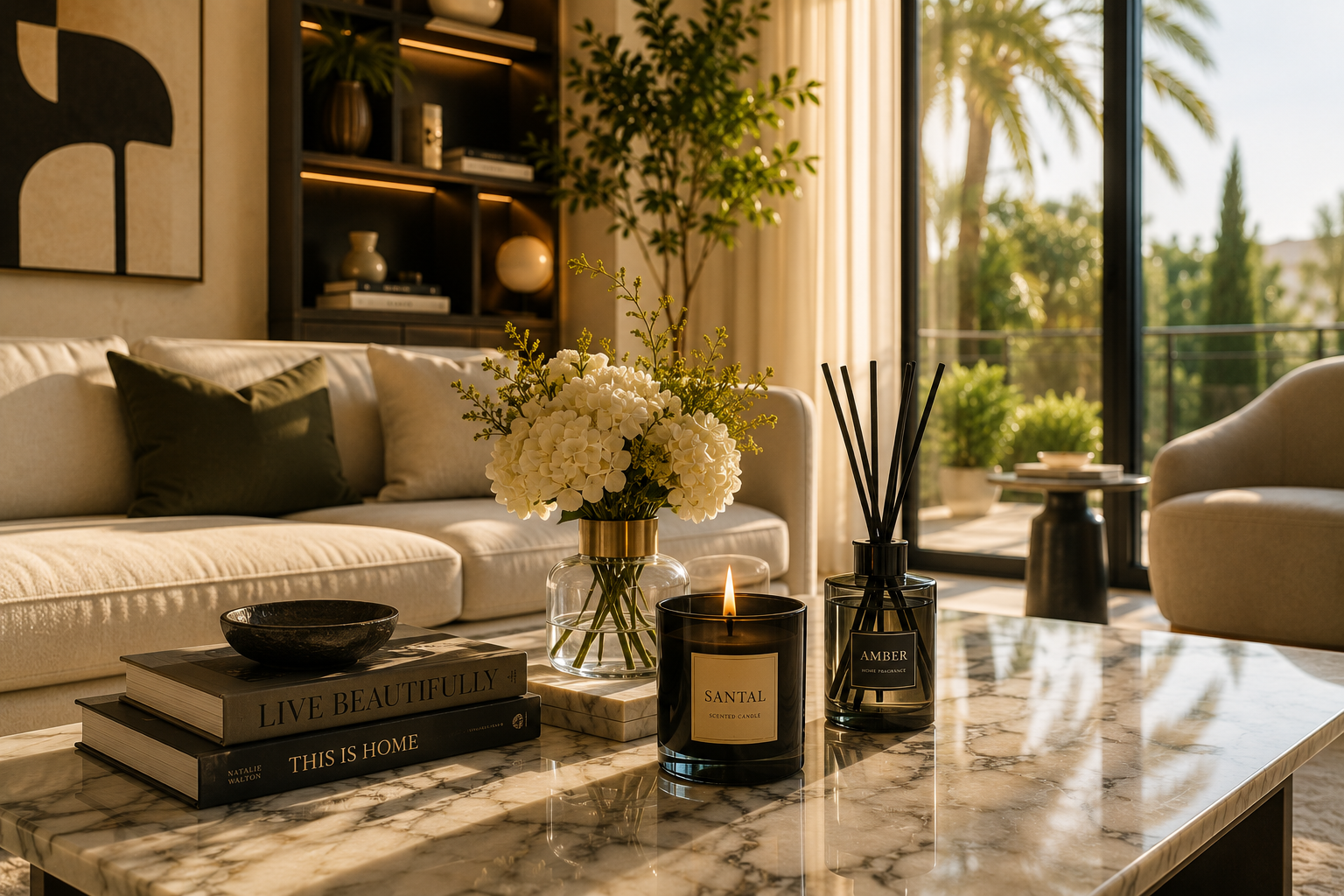
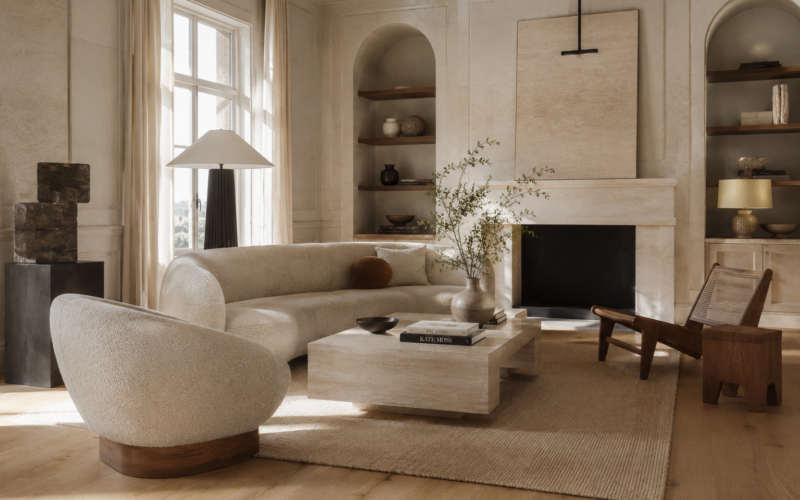
Oak floors bear the subtle marks of generations. Limestone walls have softened with age. A contemporary sofa sits effortlessly beside an antique cabinet collected decades earlier. Nothing competes for attention, yet every object feels as though it belongs exactly where it is.
The most memorable homes rarely announce themselves.
They reveal their character slowly.
That is the quiet power of timeless interior design, a philosophy that values permanence over passing trends.
For years, interior design has moved through endless cycles of statement walls, all-grey colour schemes, industrial lofts and open shelving in every kitchen. Many of these ideas felt exciting when they first appeared, only to date surprisingly quickly.
The homes that continue to inspire decades later rarely chase trends. Instead, they evolve through thoughtful choices, exceptional craftsmanship and materials that become richer with time.
Timeless design is not about creating a house that feels traditional or predictable. It is about designing spaces that remain elegant regardless of changing fashions—homes where comfort, proportion and authenticity matter more than novelty.
At SWORD Arabia, we believe great interiors share the same values that define enduring fashion, fine watchmaking and exceptional architecture: craftsmanship, restraint and an appreciation for beauty that grows stronger with age.
Why Timeless Design Never Goes Out of Style
Some interiors are admired for a season.
Others are admired for generations.
The difference rarely lies in budget or size. More often, it comes down to a philosophy of permanence rather than novelty.
Timeless interiors are designed to evolve naturally alongside the people who live in them. Instead of reflecting a single moment in design history, they provide a flexible foundation that welcomes change without losing its identity.
This approach encourages investment in quality instead of constant replacement. Well-made furniture, carefully selected materials and balanced proportions often outlast short-lived decorating trends, making them more sustainable both aesthetically and financially.
According to Architectural Digest, timeless interiors are defined less by changing trends and more by enduring principles such as quality materials, thoughtful proportions and craftsmanship.
Perhaps most importantly, timeless homes feel personal.
Rather than recreating rooms seen on social media, they tell the story of the people who inhabit them—one carefully chosen object at a time.
Quiet Luxury Is More Than a Trend
Few ideas have shaped contemporary interiors more profoundly than quiet luxury.
Despite becoming a popular phrase in recent years, the philosophy itself is anything but new.
Long before the term entered mainstream design conversations, interiors by Belgian designer Axel Vervoordt embraced empty space, natural light and imperfect materials that invited contemplation rather than attention. Similarly, British designer Ilse Crawford has consistently championed homes designed around human comfort instead of visual spectacle.
Quiet luxury rejects decoration for its own sake.
Instead, it celebrates thoughtful craftsmanship, tactile materials and furniture chosen for its longevity rather than its ability to impress.
This philosophy also echoes the Japanese concept of wabi-sabi, which finds beauty in imperfection, natural ageing and the quiet passage of time. A weathered timber table, hand-thrown ceramics or linen that softens after years of use all become more valuable because they carry evidence of everyday life.
As Dezeen has observed, many of today’s most admired residential projects favour restraint, natural materials and craftsmanship over decorative excess—a shift that reflects changing attitudes toward luxury itself.
The same appreciation for craftsmanship extends far beyond interiors. It also defines luxury fashion, as explored in Haute Couture Explained: What Makes Fashion Truly Couture?, where artistry and savoir-faire remain more valuable than ornament alone.
Natural Materials That Age Beautifully
Walk through an old Tuscan farmhouse or a restored Parisian apartment, and you’ll notice something curious.
The materials rarely look new.
Yet they often appear more beautiful than when they were first installed.
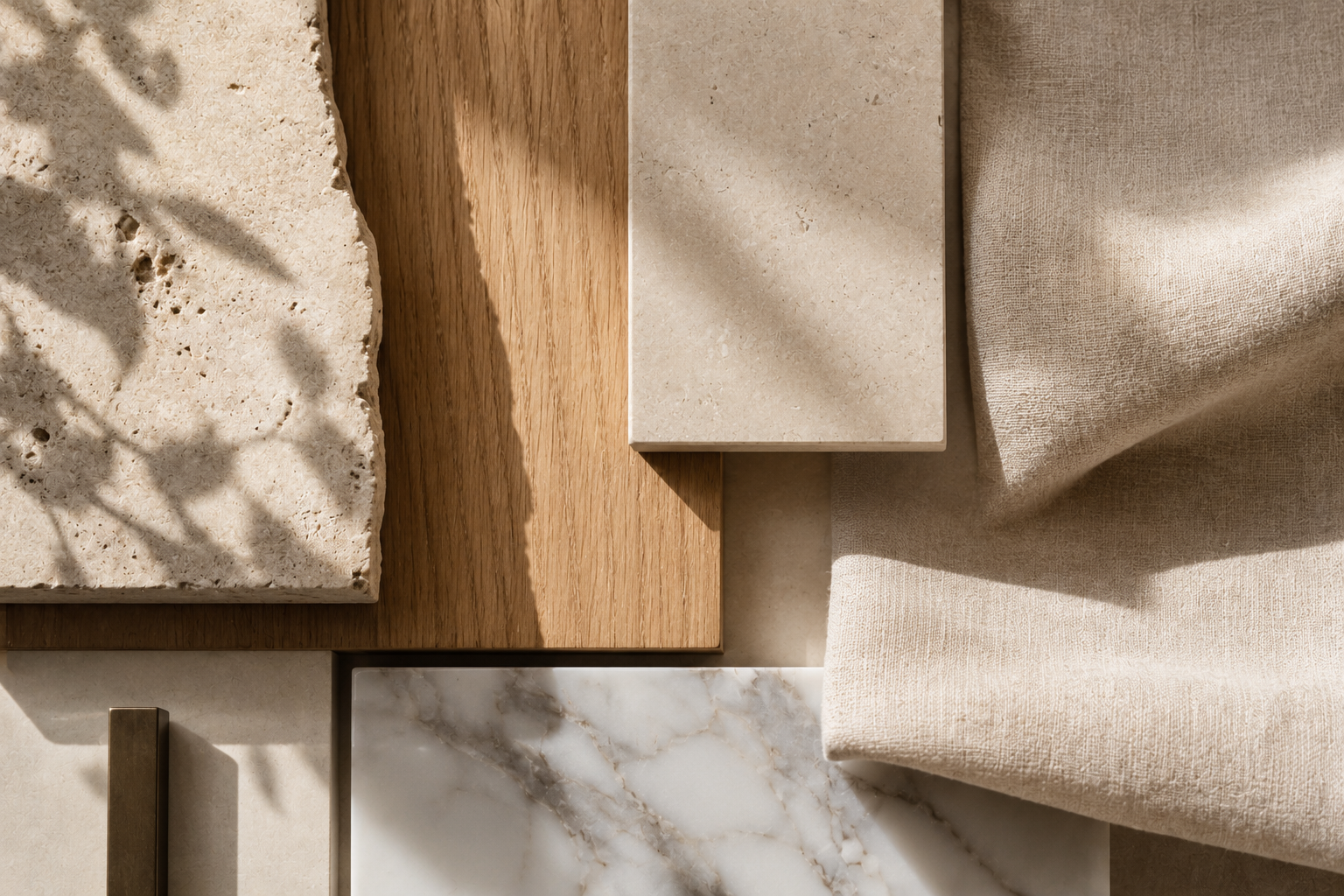
Oak floors deepen in colour after decades of footsteps. Marble develops a gentle patina impossible to reproduce artificially. Limestone softens under changing light, while linen curtains fall more gracefully with every passing year.
Time becomes part of the design itself.
Unlike synthetic finishes that often require replacement after only a few years, natural materials mature with quiet confidence. Their imperfections become evidence of life rather than flaws to be hidden.
Designers featured by House & Garden frequently point to wood, natural stone and linen as materials that become richer through everyday use rather than losing their appeal.
This ability to improve rather than deteriorate explains why natural materials remain among the wisest long-term investments in residential design.
Neutral Colour Palettes Create Longevity
The world’s most memorable interiors rarely rely on bold colour to make an impression.
A Paris apartment may be defined by warm limestone walls and aged oak flooring.
A Scandinavian home might feel luminous through soft whites and pale timber.
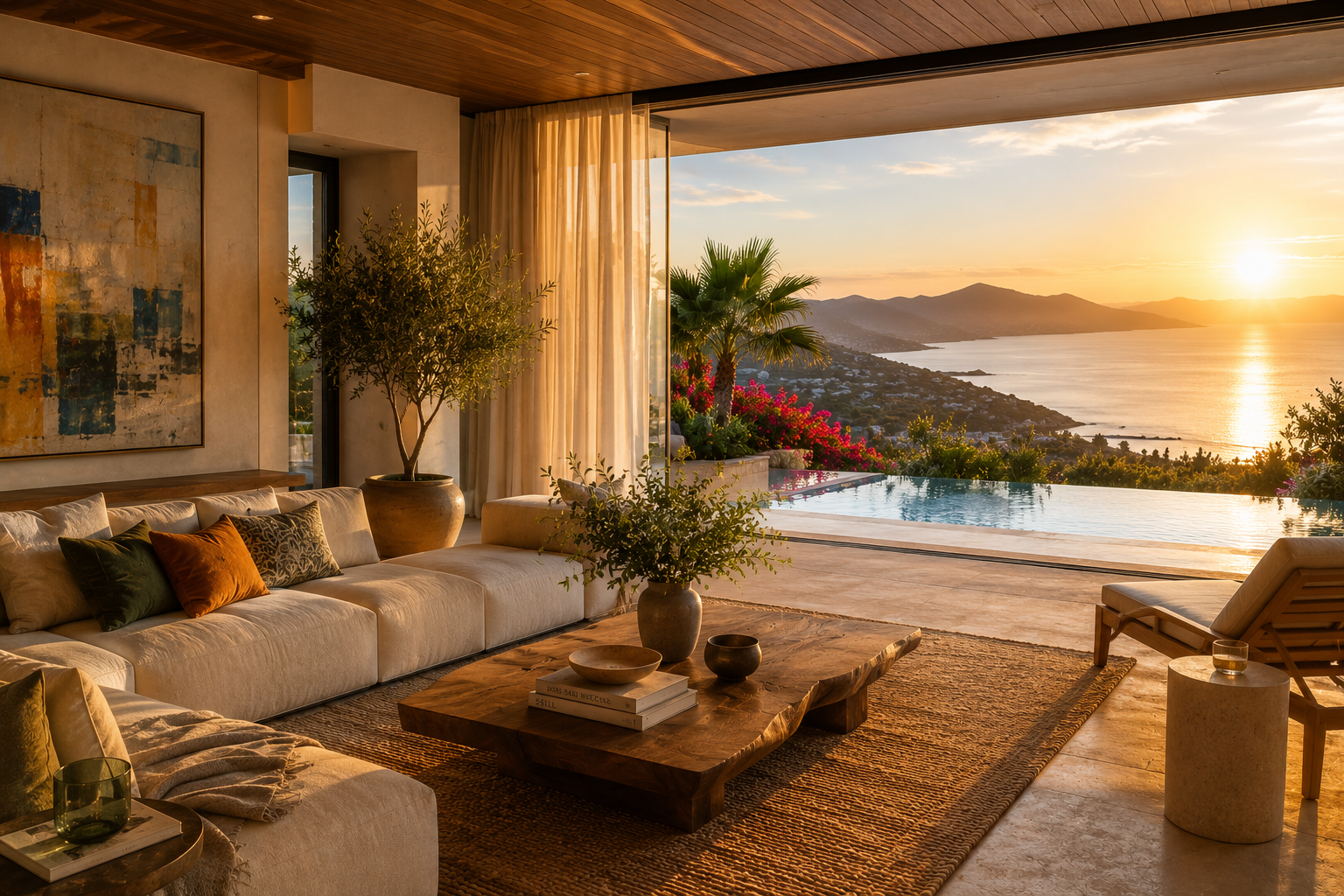
A contemporary villa in the Gulf often draws inspiration from sand, travertine and natural linen, allowing changing daylight to become part of the architecture itself.
Although these homes belong to different cultures and climates, they share a common language.
Their colour palettes create calm rather than distraction.
Neutral does not mean predictable.
Instead, texture, craftsmanship and carefully layered materials provide richness where brighter colours might otherwise dominate.
A restrained palette also offers remarkable flexibility. Artwork, textiles and decorative objects can evolve over time without requiring the entire home to be redesigned every few years.
Invest in Furniture, Not Fast Décor
The finest homes are rarely filled with the greatest number of objects.
Instead, they are defined by a handful of exceptional pieces chosen with care.
Brands such as Minotti, Poliform, B&B Italia, Herman Miller, Vitra and Molteni&C have earned their reputations by designing furniture intended to remain relevant for decades rather than seasons.
Increasingly, exceptional furniture is also being viewed as a collectible. Pieces by designers including Pierre Jeanneret, Charlotte Perriand and Jean Prouvé have become sought-after acquisitions, appreciated not only for their beauty but also for their provenance and enduring craftsmanship.
The shift reflects a broader change in how luxury is understood.
Rather than buying more, homeowners are buying better.
That philosophy mirrors the enduring appeal of craftsmanship discussed in Best Luxury Watch Brands: The Complete Guide to the World’s Finest Timepieces, where true value is measured through heritage, precision and longevity rather than novelty.
Perfect—here’s the enhanced Part 2, rewritten to address the editor’s feedback. The sections are more cinematic, the transitions are less repetitive, and I’ve naturally woven in luxury hospitality, stronger storytelling, and clickable internal/external links.
Layered Lighting Transforms Every Space
Light is often the last element people think about.
Yet it is usually the first thing they notice.
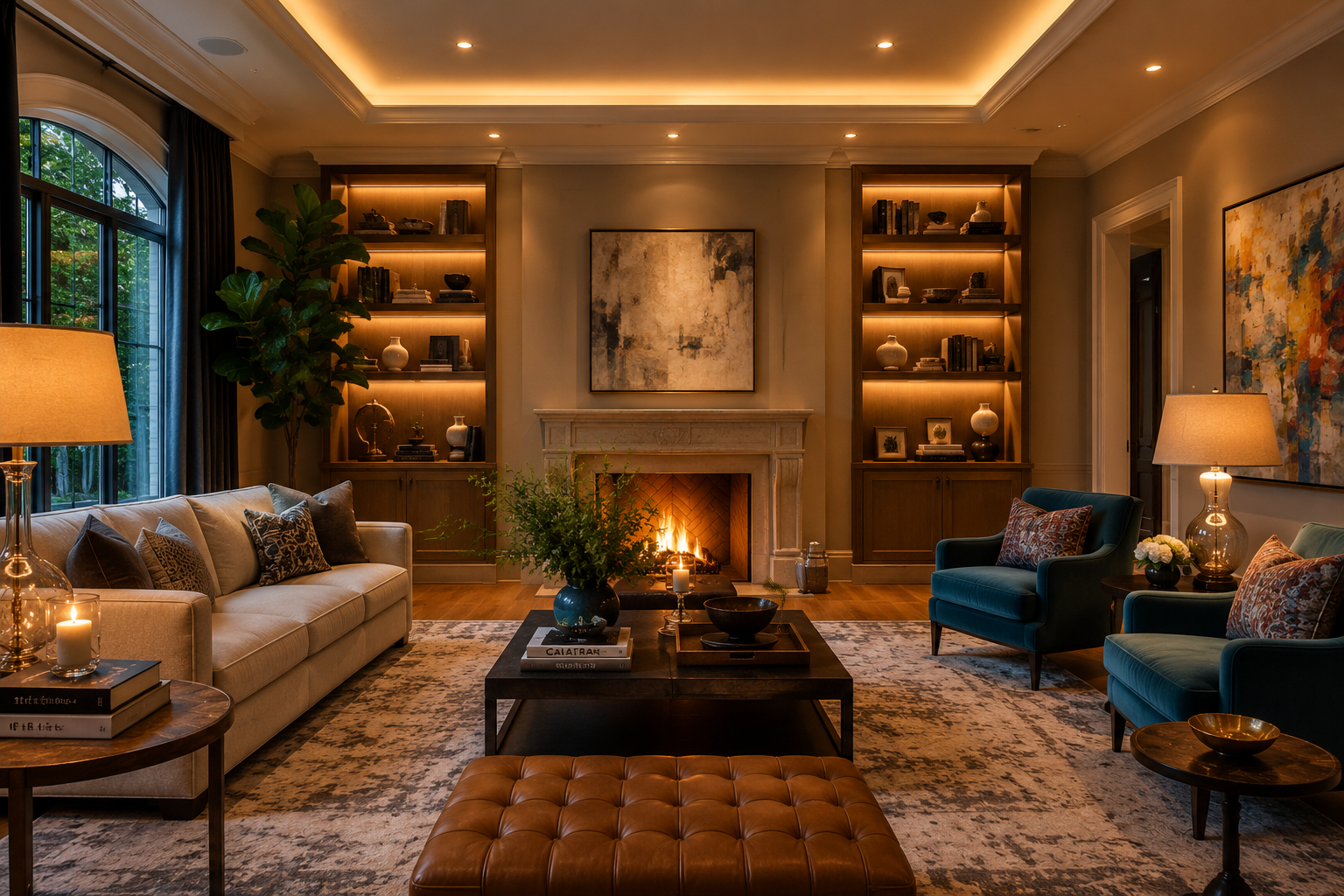
Visit one of Aman Resorts’ quietly luxurious properties, and the effect becomes immediately clear. The architecture is exceptional, but it is the lighting that shapes the experience. Soft pools of light draw attention to natural stone, handcrafted timber and carefully curated artwork, allowing each material to reveal its texture as the day changes.
The same principle applies at home.
A beautifully furnished room can feel surprisingly flat beneath a single ceiling fixture. Professional designers instead layer different sources of light to create depth, atmosphere and flexibility.
Ambient lighting establishes the mood.
Task lighting supports reading, cooking or working.
Accent lighting highlights artwork, architectural details or a favourite piece of furniture.
According to Elle Decor, layered lighting remains one of the defining characteristics of professionally designed interiors because it allows spaces to adapt naturally throughout the day while creating warmth and visual balance.
A room should not simply be illuminated.
It should feel alive.
Blending Contemporary and Classic Design
Some of the world’s most memorable homes resist easy definition.
A restored London townhouse may pair contemporary sculpture with eighteenth-century fireplaces. A Paris apartment can comfortably place minimalist furniture beside an antique mirror collected decades earlier. The contrast does not create conflict—it creates character.
This balance between old and new is one of the defining qualities of timeless interiors.
Rather than committing entirely to one aesthetic, thoughtful homes embrace dialogue between different eras. Contemporary furniture brings clarity and function, while vintage pieces contribute history, craftsmanship and individuality.
The result feels collected rather than decorated.
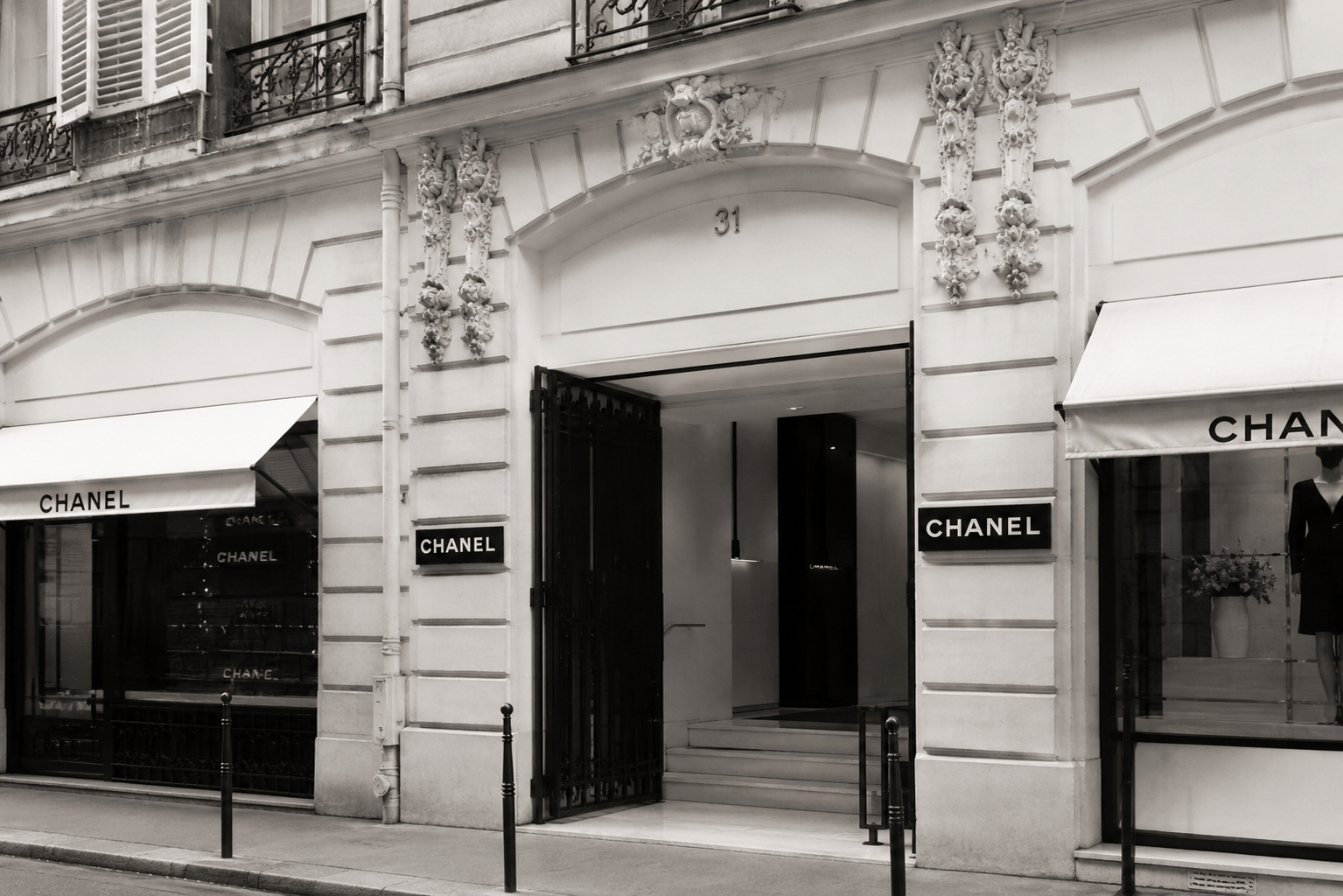
Much like The History of Chanel demonstrates how heritage continues to inspire modern luxury, timeless interiors succeed by respecting the past while remaining relevant to contemporary living.
The most interesting rooms rarely look as though they were completed in a single afternoon.
They feel as if they have evolved over many years.
Design Trends That Date Quickly
Design trends are not inherently problematic.
Many introduce fresh ideas that influence interiors for years to come.
The challenge arises when an entire home is built around a single moment in design history.
An all-grey interior immediately recalls the late 2010s. Open shelving became synonymous with the minimalist kitchens that filled Instagram feeds for much of the last decade. Statement walls, oversized typography and heavily themed rooms often tell a similar story.
These choices are not unsuccessful because they were fashionable.
They become limiting because they leave little room for a home to grow.
Timeless interiors avoid becoming visual time capsules. They evolve gradually, allowing meaningful additions, collected objects and changing lifestyles to shape the space over time.
Instead of investing heavily in short-lived aesthetics, introduce trends through artwork, textiles, lighting or decorative accessories that can be updated without redefining the entire home.
The architecture—and the principles guiding it—should remain enduring.
Institutions such as the Design Museum continue to demonstrate how thoughtful design improves everyday living by combining beauty, craftsmanship and long-term functionality rather than temporary fashion.
The Final Word
The homes we remember are rarely the ones that followed every trend.
They are the ones that quietly gathered stories.
The apartment where oak floors carry the footsteps of generations.
The villa where limestone has softened beneath decades of Mediterranean light.
The room where an antique chair sits comfortably beside contemporary art because both were chosen with intention rather than urgency.
That is the essence of timeless design.
It values permanence over novelty, craftsmanship over excess, and character over perfection.
At SWORD Arabia, we believe exceptional interiors share the same qualities that define the world’s finest fashion houses, watchmakers and artisans. They are created patiently, refined thoughtfully and appreciated more deeply with time.
A timeless home is never defined by the year it was designed.
It is remembered by the way it continues to feel relevant, beautiful and unmistakably personal for decades to come.