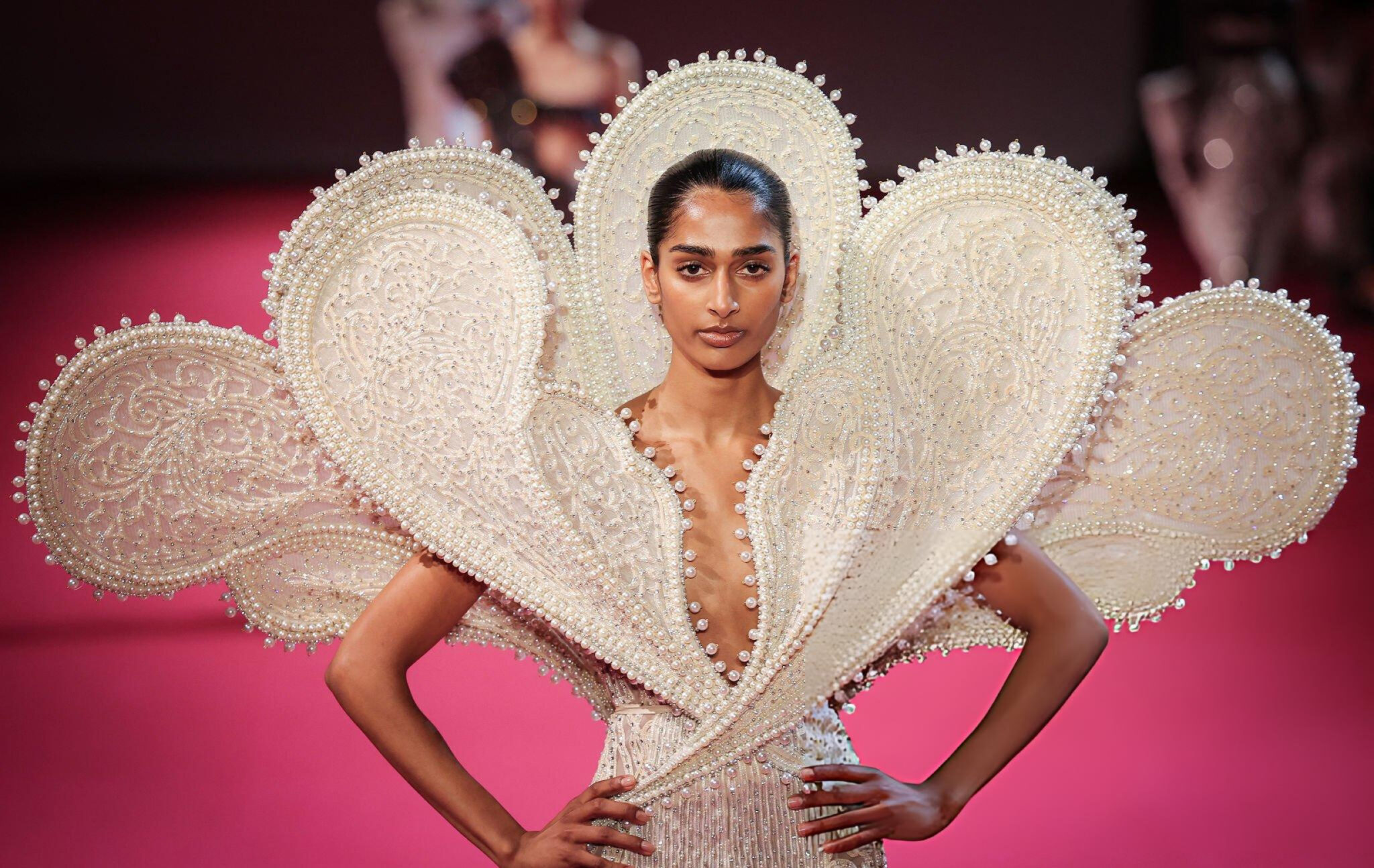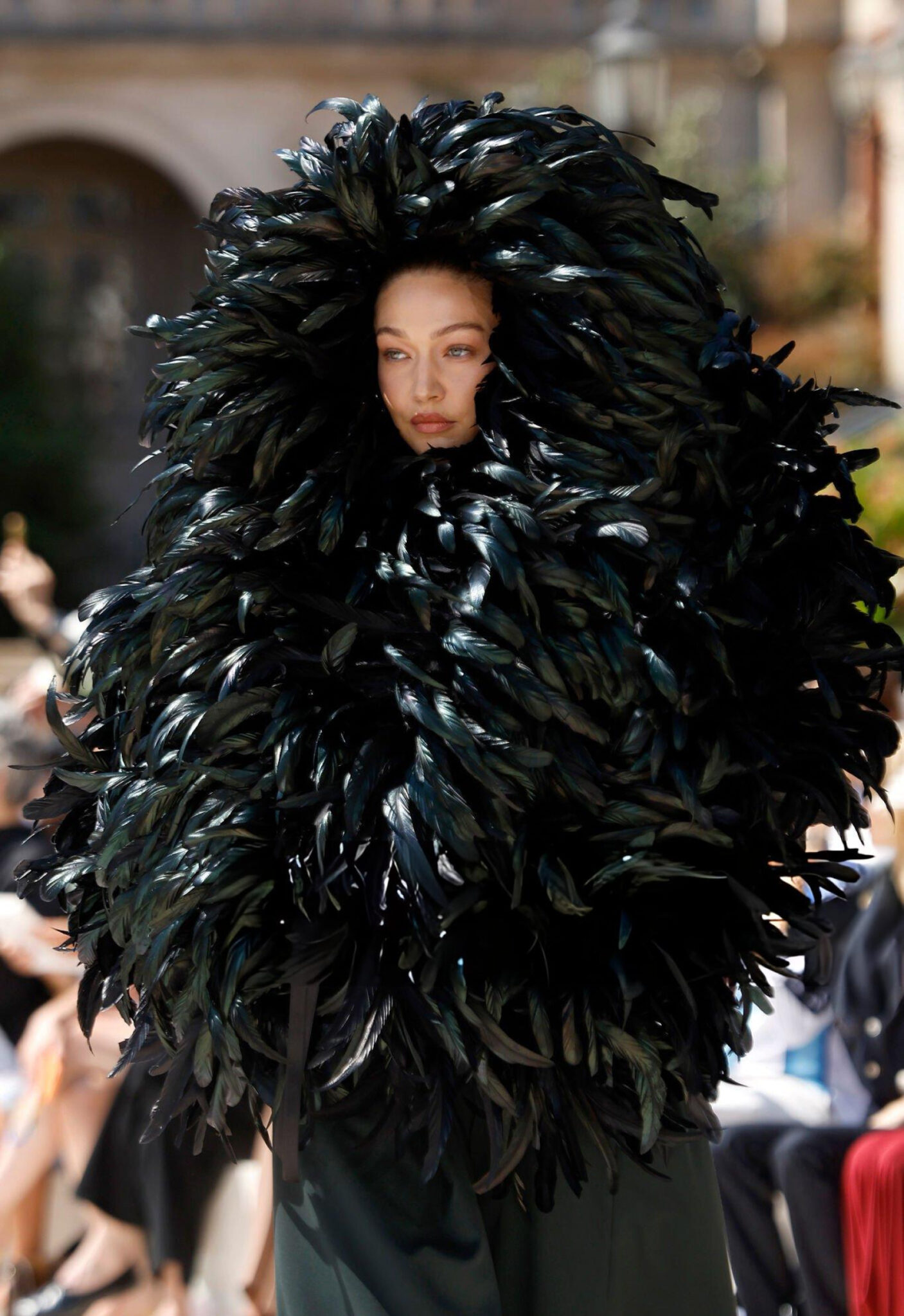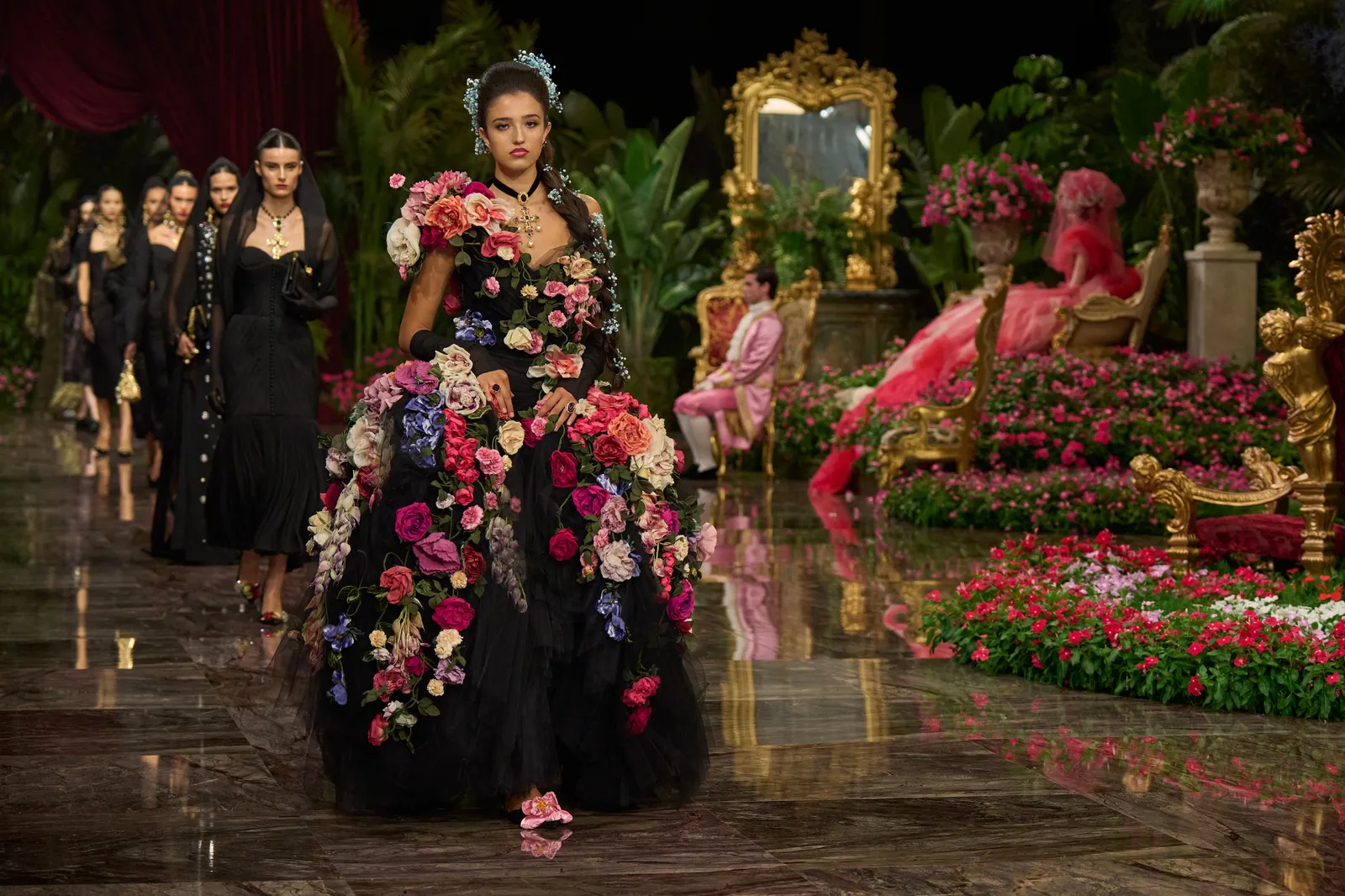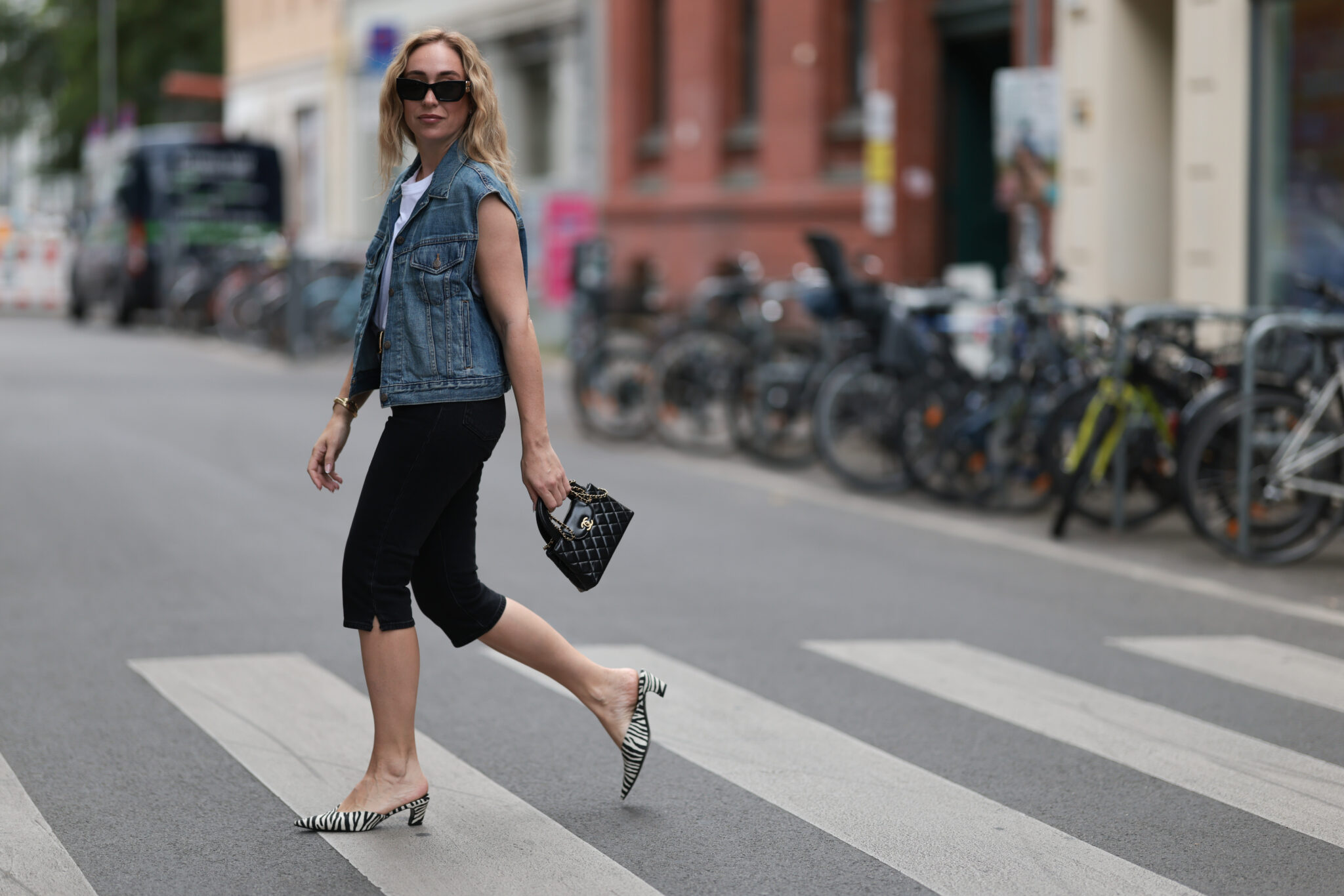


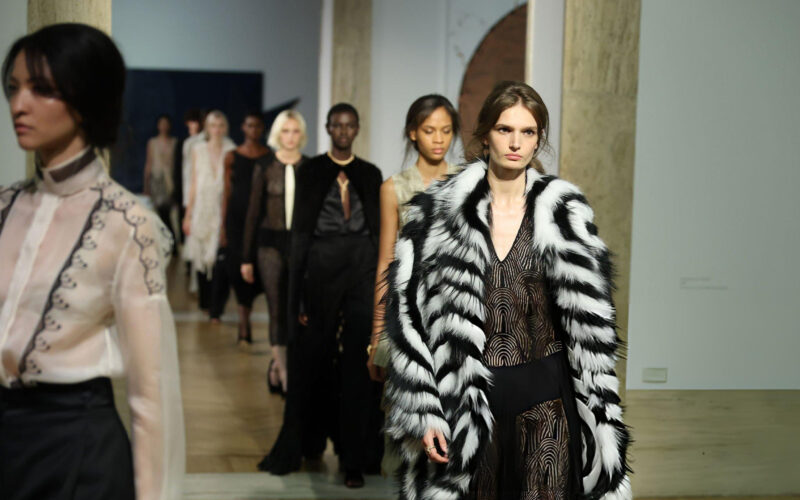
Fendi Couture Fall/Winter 2026-2027 marks a major turning point for the Roman luxury house.
Held in Rome, the couture fashion show introduced Maria Grazia Chiuri’s first Fendi couture show, placing one of Italian fashion’s most important names at the centre of a new creative era. The collection arrived with the weight of Roman heritage behind it, but its purpose was not simply to repeat the past.
On SWORD Arabia, Fendi’s Couture Fall/Winter 2026-2027 show is read as a Roman couture statement, shaped by heritage, couture craftsmanship and Maria Grazia Chiuri’s evolving vision for Italian luxury.
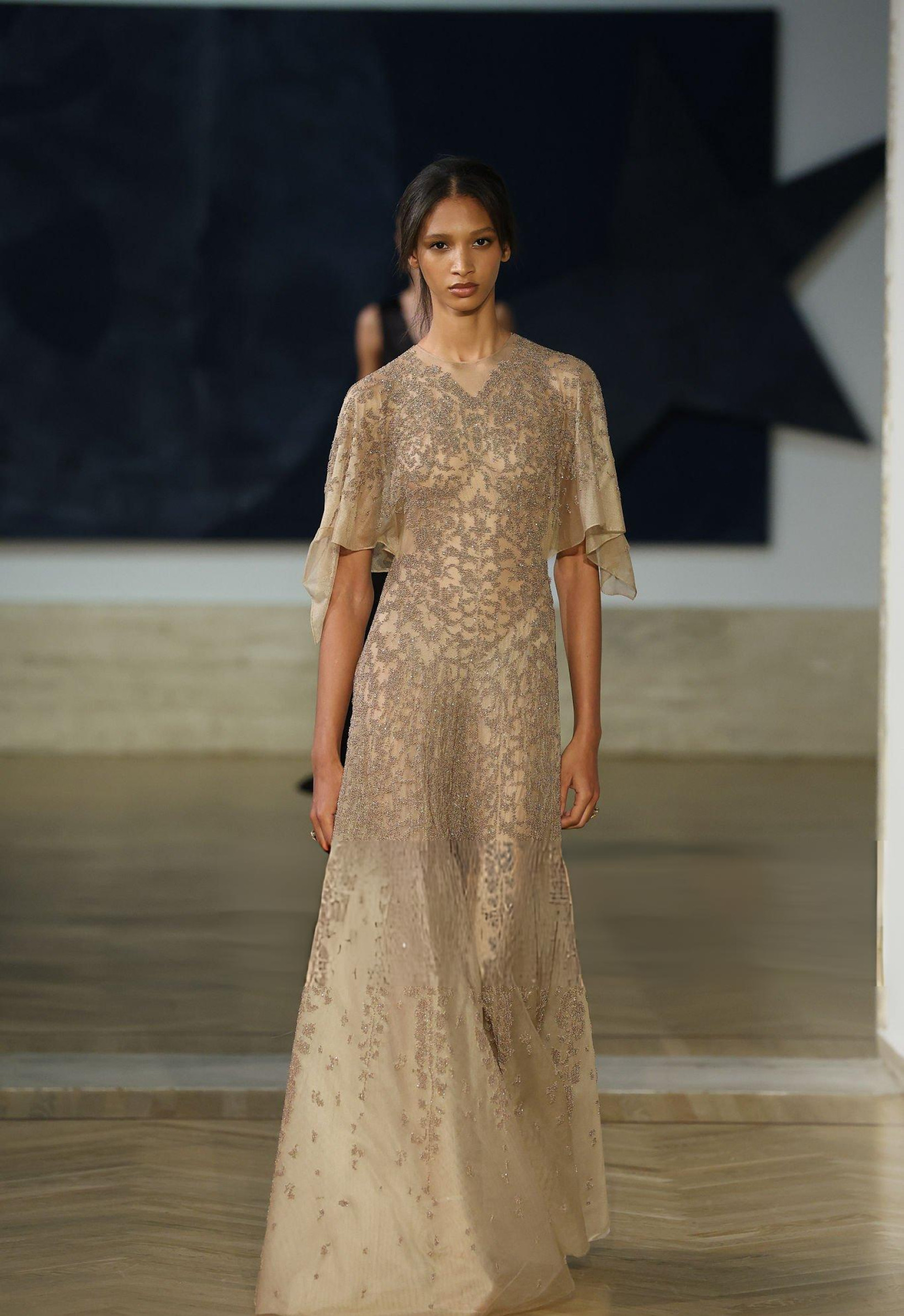
Fendi Couture Fall/Winter 2026-2027 Arrives in Rome
A Fendi fashion show in Rome carries a meaning that goes beyond location.
The city is part of the house’s identity. Rome appears in Fendi’s architecture, colour, attitude and understanding of luxury. Presenting the Fendi Couture Fall/Winter 2026-2027 fashion show in Rome brought the collection back to the place where the maison’s story began.
Rather than treating the city as a backdrop, the show framed Rome as part of the creative language. Its stone, history, restraint and grandeur offered the right setting for a collection built around heritage and modernity.
This was Italian couture with a clear sense of place.
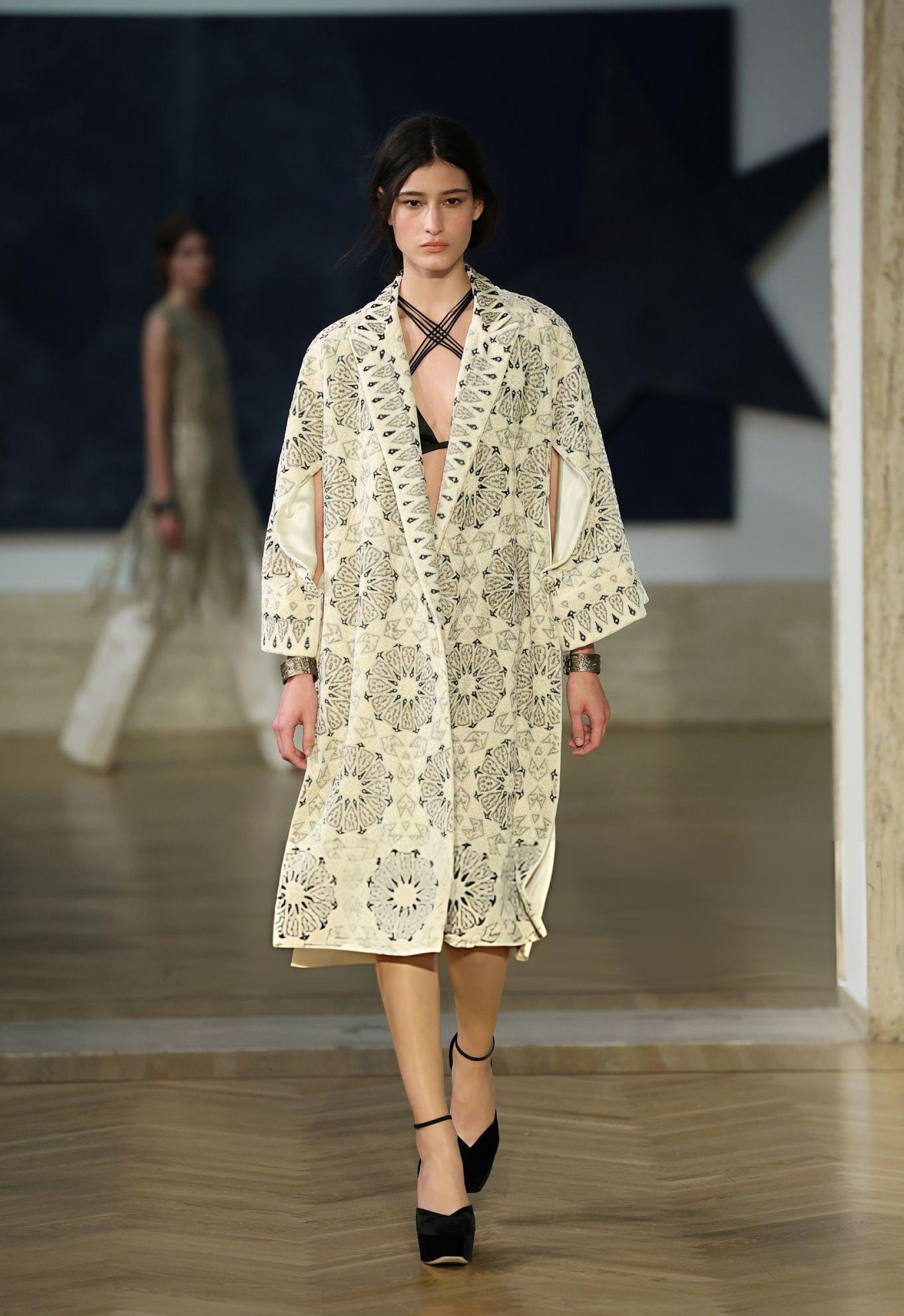
Maria Grazia Chiuri’s First Fendi Haute Couture Show
Maria Grazia Chiuri’s first Fendi Haute Couture show carries both personal and industry weight.
Her return to the house signals a new phase in Fendi’s creative direction, one shaped by experience, memory and a close knowledge of Italian fashion. The Maria Grazia Chiuri Fendi chapter arrives at a time when major luxury houses are reassessing identity, archive and long-term relevance.
Her couture debut offered the first serious indication of how she may approach the house’s codes: femininity without fragility, tailoring with emotional weight, and craft used as structure rather than surface decoration.
For Fendi, the transition is not only about appointing a new creative voice. It is about deciding how a historic Roman maison should speak now.
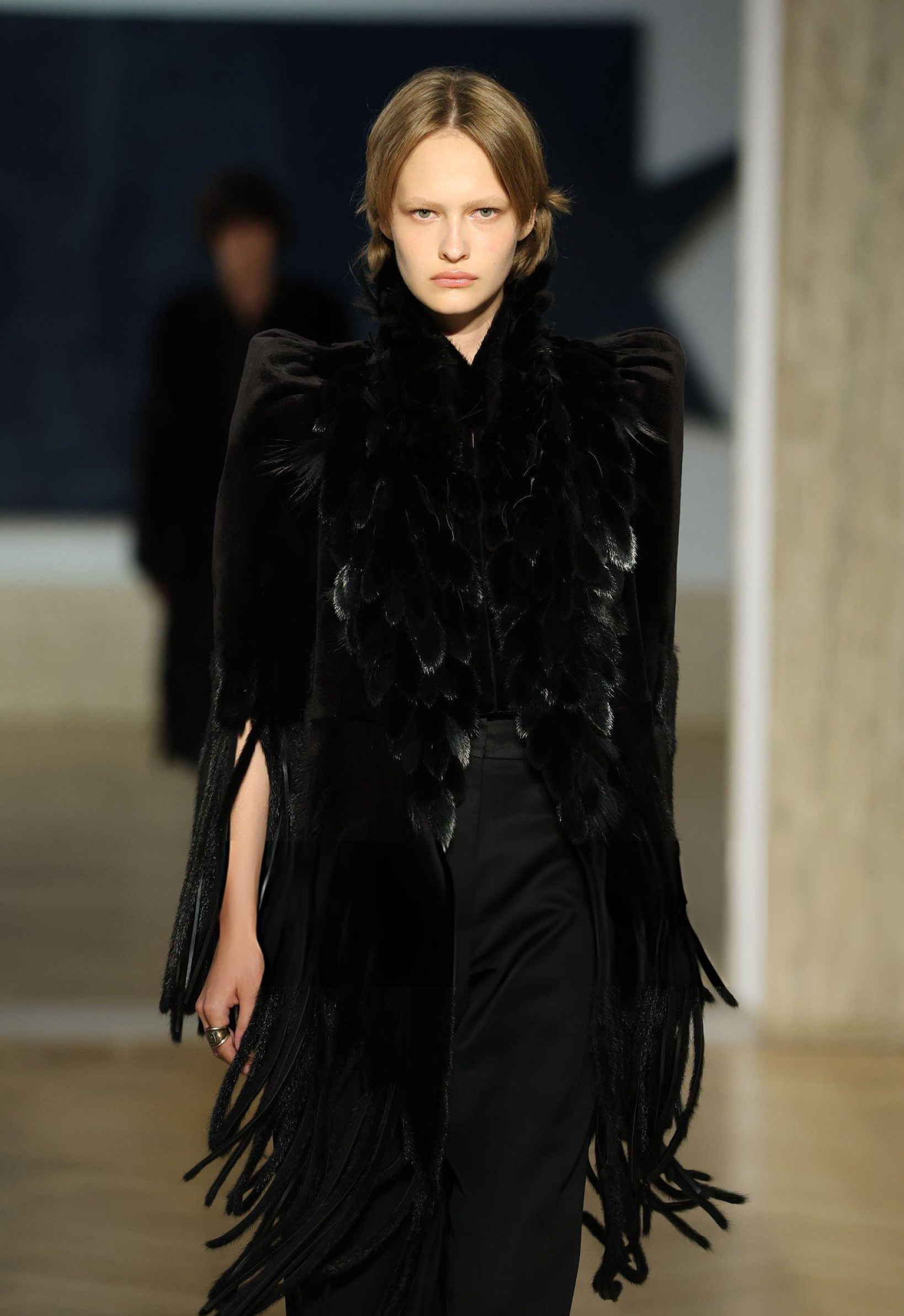
Roman Heritage Meets Italian Couture Craftsmanship
The strongest reading of the Fendi couture collection begins with Roman heritage.
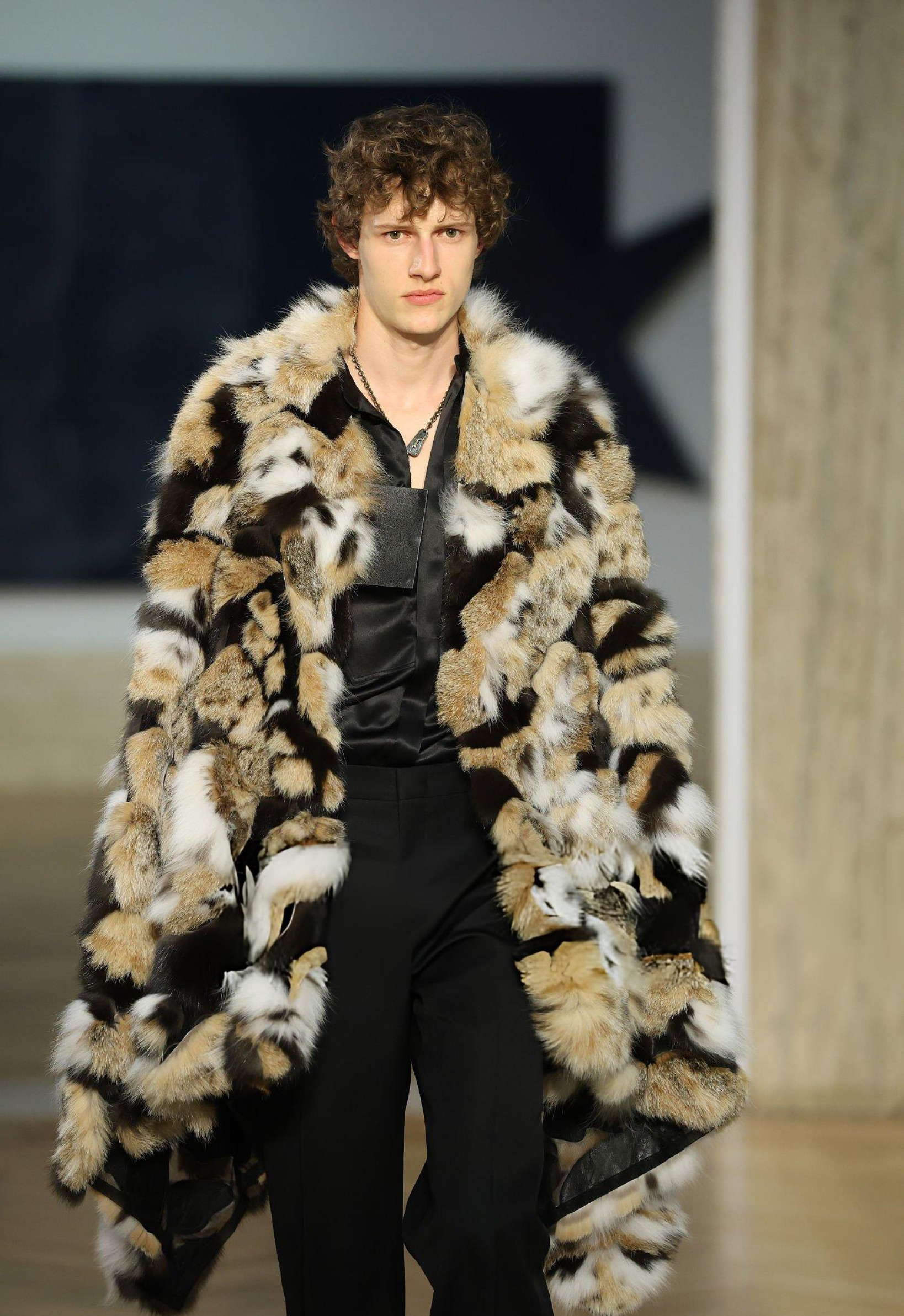
Fendi has long been associated with leather craftsmanship, fur craftsmanship, architectural structure and a precise understanding of material. Those codes remain central to the house, but haute couture allows them to be pushed into a more intimate and ceremonial space.
Handwork, embroidery, draping, tailoring and artisanal details give couture its emotional force. At Fendi, these techniques carry another layer because they sit inside a house already known for material mastery.
The result is a conversation between the Fendi atelier and the city around it: controlled, luxurious and built with patience.
Couture Silhouettes With a Stronger Sense of Structure
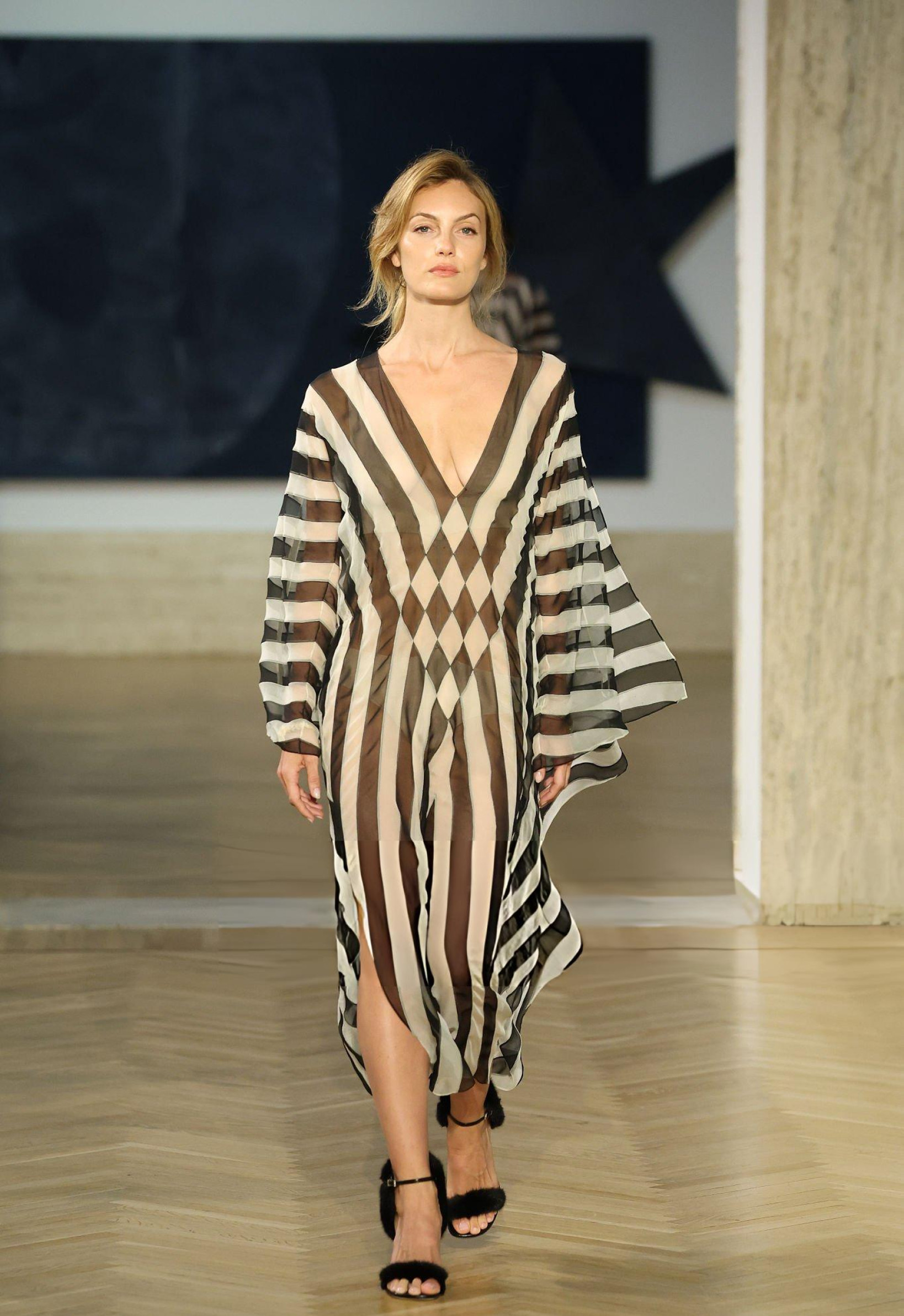
The Fendi Couture Fall/Winter 2026-2027 runway highlights are expected to be read through silhouette and construction.
Chiuri’s work has often centred women as both subject and wearer, and that perspective suits a house with such a strong relationship to shape. Structured coats, sculptural gowns, eveningwear, tailored separates and softened draping all belong naturally within Fendi’s couture language.
The key is balance.
Too much history can make a collection feel static. Too much reinvention can weaken the house codes. The stronger looks are those that allow structure and femininity to sit together without competing.
The Fendi Atelier Takes Centre Stage
Haute couture depends on the intelligence of the atelier.
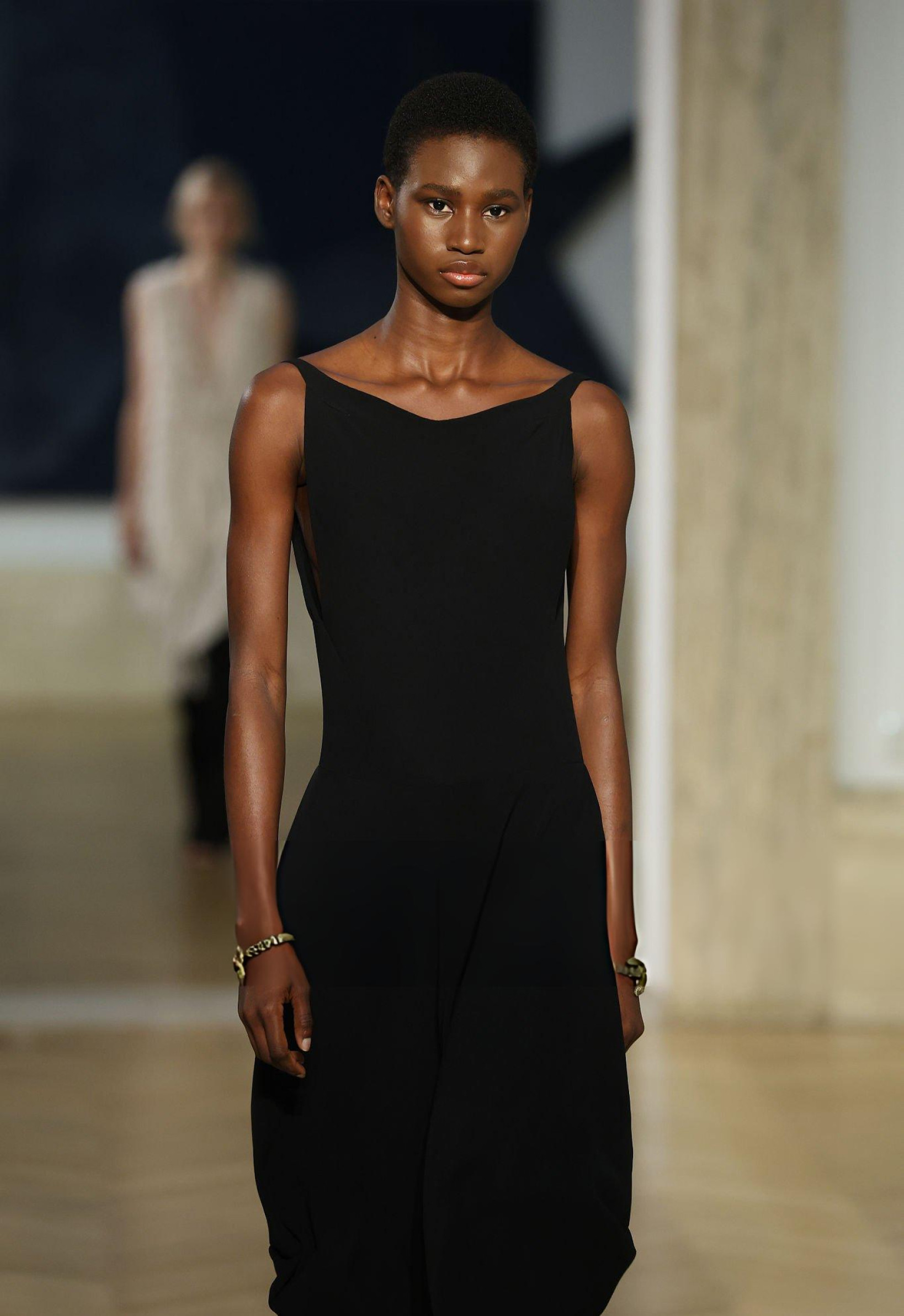
Behind every runway look is a long process of cutting, fitting, embroidery, fabric manipulation and hand-finishing. In a collection like Fendi FW26 couture, that labour matters as much as the final image.
The couture atelier gives the house space to slow down. It allows fabric, construction and detail to become visible in a way that ready-to-wear rarely permits.
For couture clients, fashion editors and front-row guests, this is part of the value of the show. The clothes do not only communicate status. They reveal time, technique and authorship.
Heritage Without Nostalgia
One of the central questions around Maria Grazia Chiuri’s first Fendi couture show is how she handles the archive.
Fendi’s history includes generations of family leadership, the influence of Silvia Venturini Fendi and the long creative legacy of Karl Lagerfeld. Those references are powerful, but they can only remain useful if they are interpreted rather than repeated.
The most convincing couture does not reproduce archive codes exactly. It studies their logic.
For Fendi, that may mean returning to Roman elegance, leather craftsmanship, architectural inspiration and feminine codes, then rebuilding them through a new creative lens.
A Roman Couture Statement
Fendi’s first Haute Couture collection by Maria Grazia Chiuri does not need to reject the house’s history to feel new.
Its strength lies in the possibility of continuity: Roman heritage, Italian craftsmanship, couture silhouettes and a more personal reading of femininity. The show places Fendi inside the wider conversation around Paris Haute Couture Week while keeping its identity firmly rooted in Rome.
For SWORD Arabia fashion, Fendi Couture Fall/Winter 2026-2027 represents a new chapter in luxury fashion, one where the past is not copied, but sharpened for the present.
That is The Sharp Side of Arabia: recognising not only the spectacle of a couture debut, but the creative shift beneath it.