
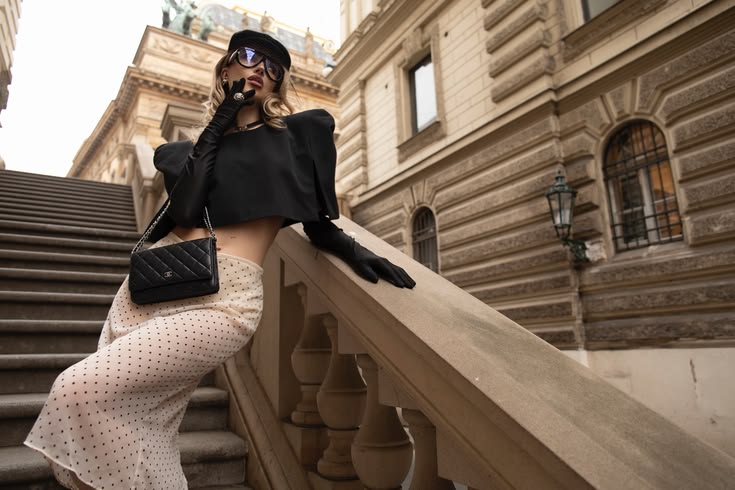
Before we speak, our clothes have already begun a conversation.
A tailored blazer can communicate confidence before the first handshake. A linen shirt may suggest ease and understated elegance. A perfectly worn leather jacket often tells a different story altogether—one of individuality, creativity or quiet rebellion.
Whether intentional or not, what we wear becomes part of how we introduce ourselves to the world.
Style has never been solely about fashion. It is a language of identity, shaped by personality, culture, experience and aspiration. It influences not only how others perceive us, but often how we perceive ourselves.
Psychologists refer to this relationship as fashion psychology, the study of how clothing affects thoughts, emotions and behaviour. One of the best-known concepts within the field is enclothed cognition, introduced by researchers Hajo Adam and Adam D. Galinsky, whose work suggests that the symbolic meaning we associate with clothing can influence certain psychological processes and aspects of performance. Clothing alone does not determine confidence or success, but it can shape how we approach situations and how we feel within them.
At SWORD Arabia, we believe the most memorable style is never defined by labels alone. It reflects identity before it reflects trends, revealing something authentic about the person wearing it.
Style Is More Than What We Wear
Fashion trends come and go.
Style remains.
That distinction explains why two people can wear similar clothing yet project entirely different identities.
Personal style is a form of non-verbal communication. Long before a conversation begins, clothing offers subtle clues about personality, profession, values and aspirations. A monochrome wardrobe may express restraint. Tailored silhouettes can communicate precision. Relaxed linen and natural textures often suggest an appreciation for simplicity and craftsmanship.
These signals are rarely absolute, nor should they be overinterpreted. Behaviour, communication and context always matter. Yet clothing contributes to the first impression people form—often within seconds.
As explored in The History of Chanel: From Paris Atelier to Global Luxury Icon, Gabrielle “Coco” Chanel understood this long before fashion psychology became an academic discipline. By replacing restrictive silhouettes with garments that prioritised comfort, movement and confidence, she transformed not only how women dressed, but how many experienced modern femininity.
Why Clothing Influences How We Feel
Have you ever noticed how differently you feel wearing a tailored suit compared with relaxed weekend clothing?
The clothes themselves have not changed who you are.
But they may influence how you carry yourself.
Researchers Hajo Adam and Adam D. Galinsky introduced the concept of enclothed cognition in a landmark study published in the Journal of Experimental Social Psychology, suggesting that clothing can affect psychological processes when both the physical garment and its symbolic meaning are taken into account.
Put simply, clothing may influence behaviour because of what it represents to us.
A well-cut jacket may encourage greater confidence before an important presentation. Athletic clothing can create a mindset associated with movement and energy. Formal eveningwear often changes posture almost instinctively.
These effects vary from person to person and should not be viewed as universal. Confidence is shaped by experience, preparation and personality as much as appearance.
Still, what we wear can become part of the psychological ritual that helps us feel prepared.
Fashion psychologist Karen Pine, author of Mind What You Wear, has also explored how clothing choices can influence mood, self-perception and emotional state, reinforcing the idea that wardrobes are closely connected to psychology as well as aesthetics.
Style as a Form of Identity
No two wardrobes tell exactly the same story.
Some people dress to express creativity.
Others value discretion.
Some embrace colour, while others build entire wardrobes around shades of black, navy and ivory.
Personal style develops gradually through culture, career, travel, family influences and life experience. It often reflects not only who we are today, but who we hope to become.
This explains why fashion rarely feels purely functional.
A favourite watch inherited from a parent, a perfectly tailored coat purchased to celebrate a career milestone or a handbag carried for years all become emotional objects rather than simple possessions.
Like architecture or art, clothing carries memories.
It also carries meaning.
The Psychology of First Impressions
First impressions are complex.
Body language, tone of voice, facial expressions and communication skills all play significant roles.
Clothing is simply one element within that broader picture.
Yet appearance often provides the first visual context through which people interpret professionalism, creativity or attention to detail.
For entrepreneurs, executives and creatives alike, personal style has become part of personal branding. Dressing intentionally does not require expensive labels or dramatic fashion statements. It requires consistency between appearance and identity.
Someone known for understated tailoring communicates something different from someone recognised for bold colours or experimental silhouettes.
Neither approach is inherently better.
What matters is authenticity.
This is one reason why discussions around style and confidence have become increasingly relevant in contemporary fashion. Clothing can reinforce how we wish to present ourselves, provided it reflects genuine personality rather than performance.
Why Personal Style Evolves
Very few people dress exactly as they did ten years ago.
Nor should they.
Style evolves because life evolves.
Career changes introduce different professional environments. Travel exposes us to new cultures. Confidence often grows with age, making trend-driven dressing feel less important than clothing that genuinely reflects individual character.
Many people also discover that their wardrobes become smaller over time but significantly more intentional.
Rather than purchasing for novelty, they begin choosing for longevity.
This shift mirrors wider conversations about modern luxury. As explored in The Return of Slow Living, thoughtful consumption increasingly replaces constant accumulation, encouraging quality, versatility and personal meaning over endless replacement.
Luxury, Quality and Emotional Connection
Luxury fashion has always been about more than exclusivity.
Its greatest value often lies in craftsmanship, heritage and emotional connection.
A hand-finished coat, an expertly tailored jacket or a beautifully constructed leather bag carries a different emotional weight from an item designed for a single season.
The same philosophy explains why collectors invest in exceptional timepieces. As explored in Best Luxury Watch Brands: The Complete Guide to the World’s Finest Timepieces, enduring value is created through craftsmanship, precision and timeless design rather than novelty.
Fashion follows a similar principle.
Haute couture demonstrates this particularly well. As explained in Haute Couture Explained: What Makes Fashion Truly Couture?, the highest expression of fashion is measured not simply by appearance, but by artistry, savoir-faire and the hundreds of hours invested in every garment.
Luxury becomes meaningful when objects carry stories, not merely logos.
Finding a Style That Feels Authentic
Perhaps the greatest misconception about style is that it can be copied.
It cannot.
Trends can be replicated.
Personal style cannot.
The most compelling wardrobes rarely belong to people who follow every runway or purchase every seasonal release. They belong to those who understand themselves.
That understanding takes time.
It develops through experimentation, mistakes, changing priorities and growing confidence.
Rather than asking, “What’s fashionable?”, a more meaningful question may be, “What feels true to me?”
At SWORD Arabia, we believe authentic style begins there. Like architecture, fine watchmaking and exceptional craftsmanship, great fashion is never about excess. It is about intention.
Because style is ultimately less about clothing than it is about character.
The Final Word
Fashion may begin with fabric.
Style begins with identity.
The clothes we choose cannot define who we are, nor do they guarantee confidence, success or happiness. But they can become powerful expressions of our values, experiences and aspirations.
That is why the psychology of style continues to matter.
Not because clothing changes the person beneath it.
But because, at its best, it helps that person feel more like themselves.
And there is nothing more timeless than that.