
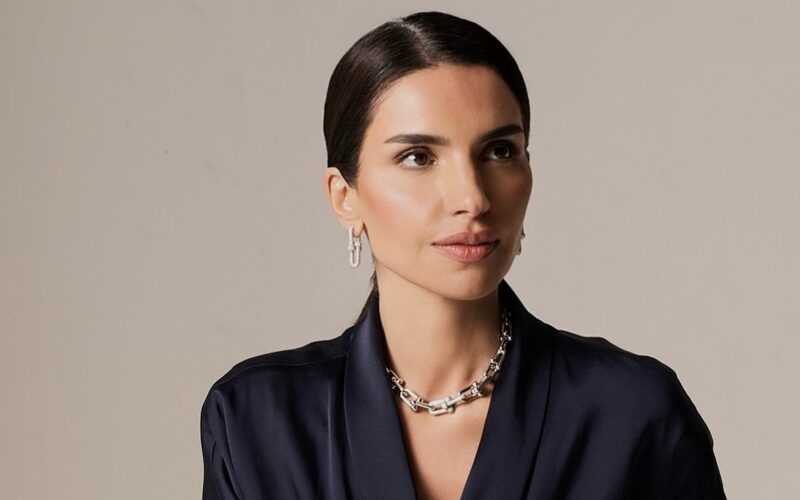
Leadership changes often signal more than a new name at the top. In fashion, they can reshape an industry’s direction, influence creative talent and redefine how a region presents itself to the world. That is why Amina Taher’s appointment as Chairwoman of the Arab Fashion Council is one of the year’s most important developments for Middle Eastern fashion.
Effective 9 July 2026, Taher assumes the role after years of helping strengthen the Council’s international partnerships and expanding its influence across the global fashion landscape. Her appointment comes at a time when Arab designers are receiving unprecedented international recognition, and the industry is looking beyond visibility towards long-term growth.
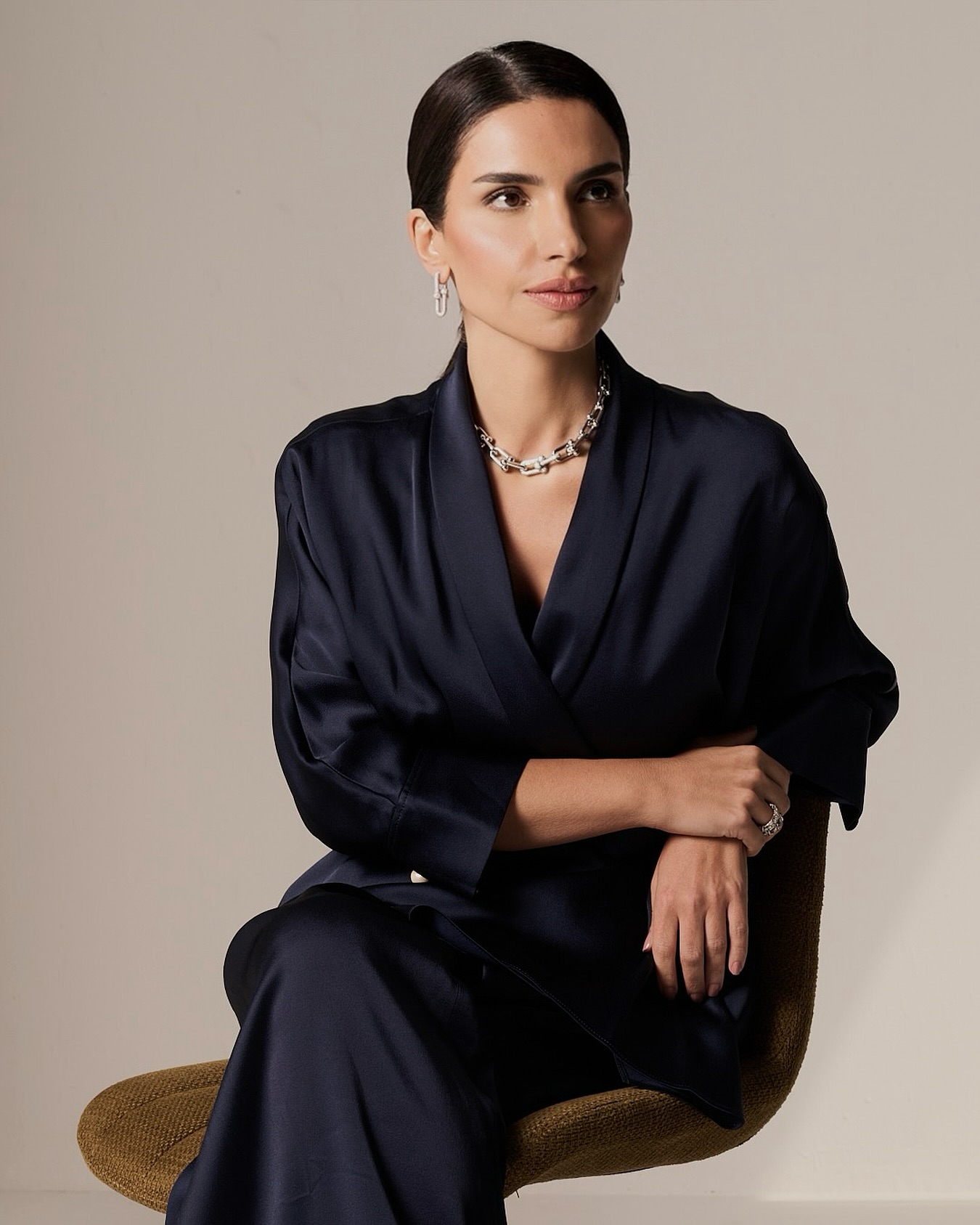
A Familiar Face Steps Into a New Role
Unlike many leadership appointments, Amina Taher is not arriving as an outsider.
She has played an active role within the Arab Fashion Council, working on institutional partnerships that connected regional talent with global fashion organisations, brands and industry leaders. That experience gives her a clear understanding of both the Council’s ambitions and the challenges facing emerging designers across the Middle East and North Africa.
Her transition to Chairwoman represents continuity, but it also creates an opportunity to build on the momentum the organisation has established over the past decade.
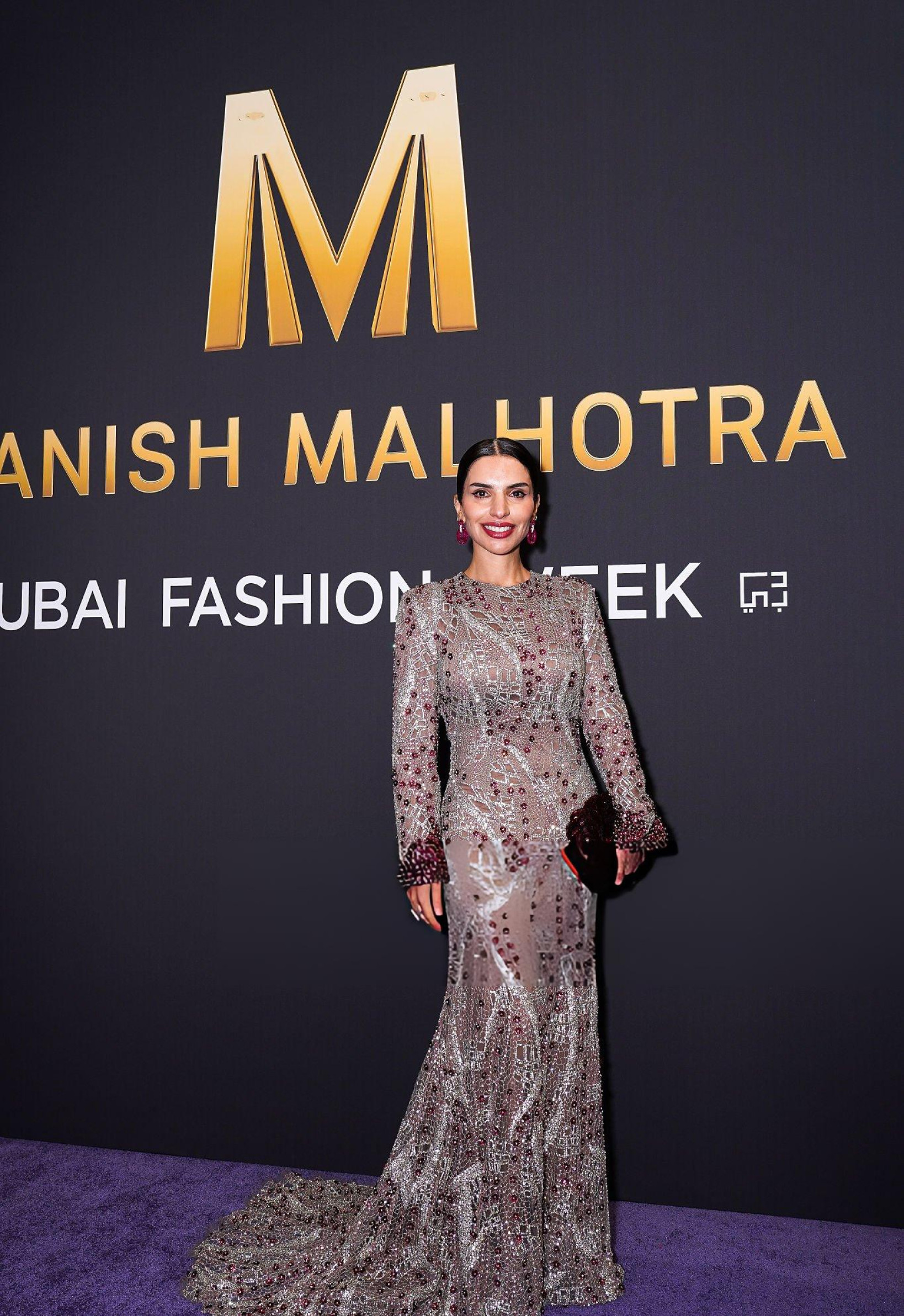
The Arab Fashion Council’s Growing Influence
Since its launch, the Arab Fashion Council has become one of the region’s leading fashion institutions, supporting designers through education, international collaborations, industry initiatives and global exposure.
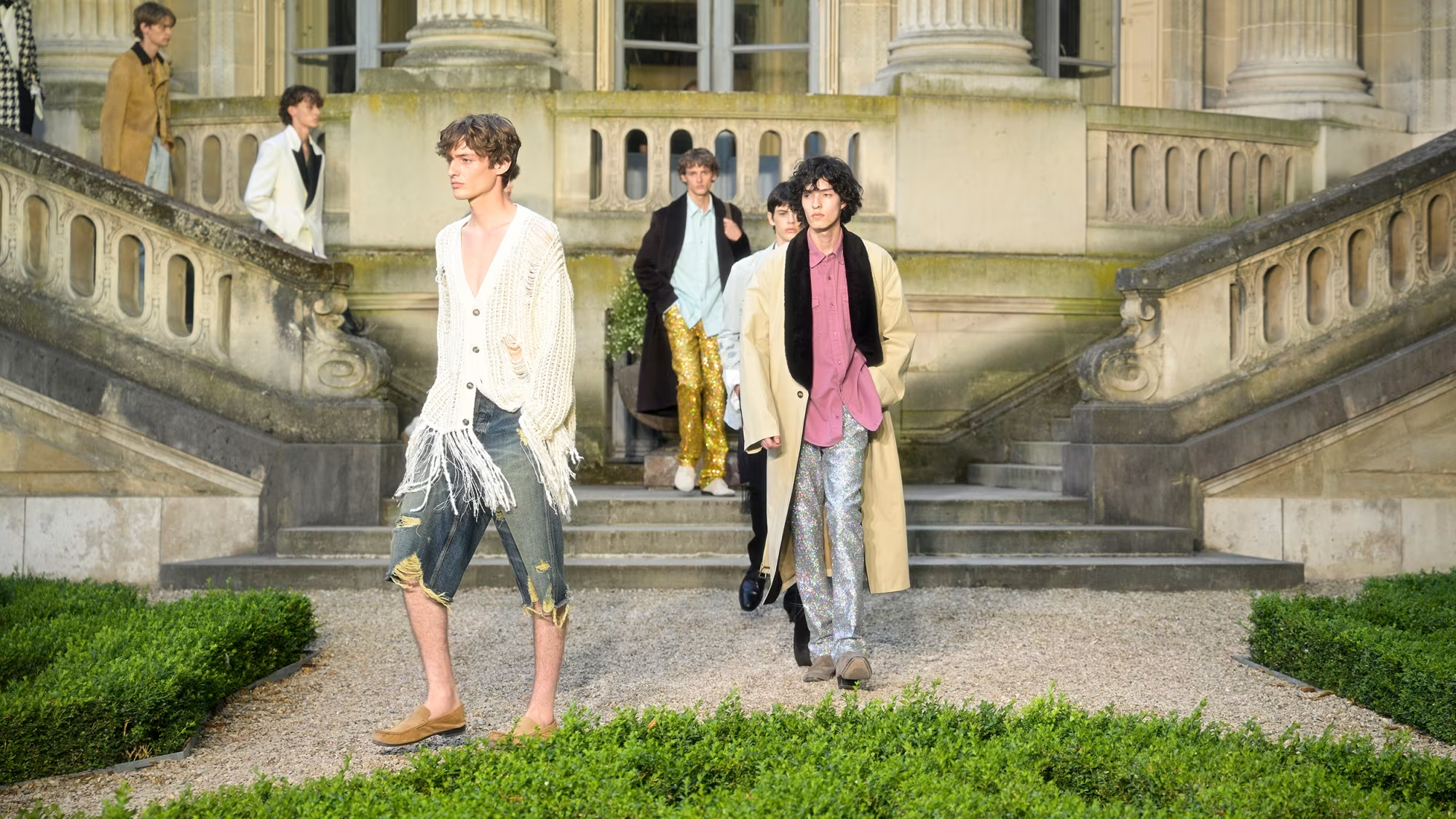
Its work has helped position Arab fashion as more than a regional conversation. Designers from the Gulf, Levant and North Africa are increasingly appearing on international runways, dressing global celebrities and attracting luxury retailers beyond the Middle East.
As the fashion industry becomes more global, organisations such as the Arab Fashion Council play an increasingly important role in creating opportunities that individual designers cannot build alone.
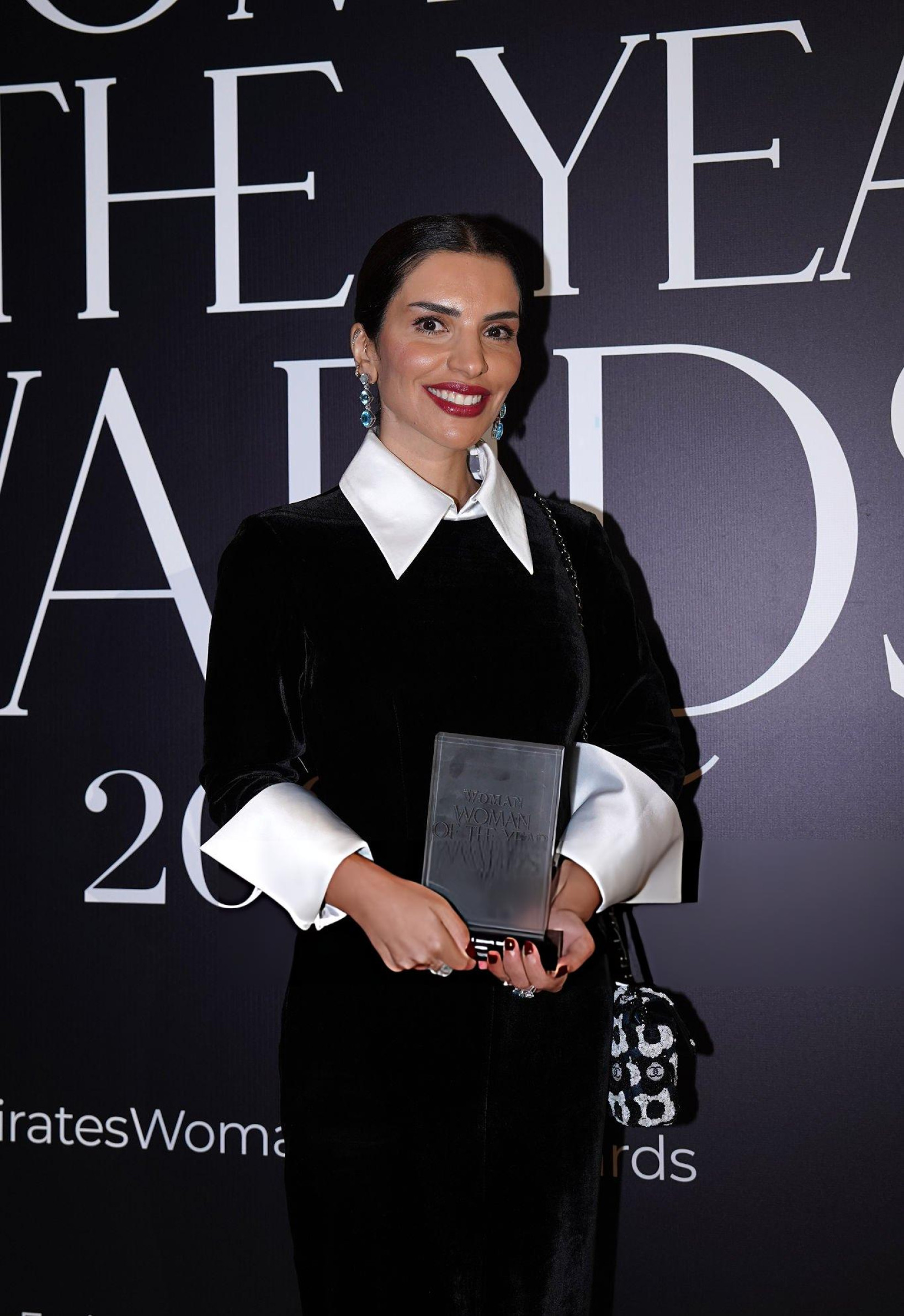
Why This Appointment Matters
Taher’s appointment arrives during a period of rapid change for luxury fashion.
Global brands are investing more heavily in the Middle East, international fashion weeks are expanding their presence across the region, and Arab creativity continues to influence conversations around craftsmanship, modest fashion, couture and contemporary luxury.
Leadership will determine how that momentum is sustained.
Rather than focusing solely on events, the Council is expected to continue strengthening education, investment, sustainability and international partnerships, helping regional designers compete on a larger stage while preserving their cultural identity.
Looking Beyond Fashion Weeks
Fashion councils today are no longer defined only by runway calendars.
Their influence extends into business development, manufacturing, education, government partnerships and cultural diplomacy. They help shape how a country’s creative economy is perceived internationally.
For Amina Taher, the role is about more than representing Arab fashion. It is about creating an environment where designers, entrepreneurs and creative businesses can grow sustainably while attracting global attention.
A Defining Moment for Arab Fashion
The appointment reflects how far the regional industry has evolved.
Arab fashion is no longer simply participating in the global conversation. Increasingly, it is helping shape it.
As Chairwoman of the Arab Fashion Council, Amina Taher inherits an organisation that has already transformed the industry’s profile. Her challenge now is to guide its next chapter, ensuring Arab creativity continues to gain influence far beyond the region.
At SWORD Arabia, leadership stories like this matter because fashion is shaped not only by designers and collections, but also by the people building the institutions behind them.