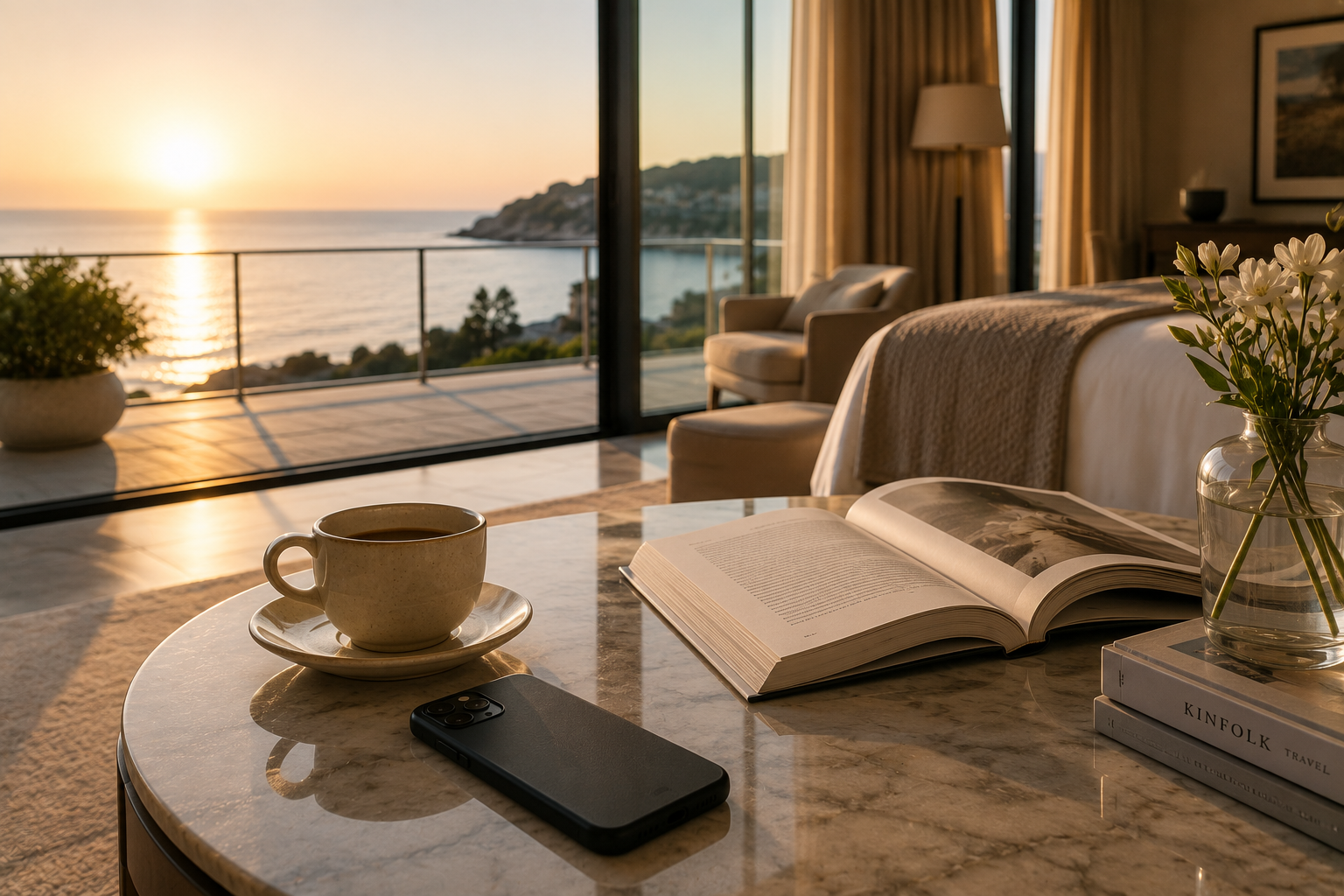
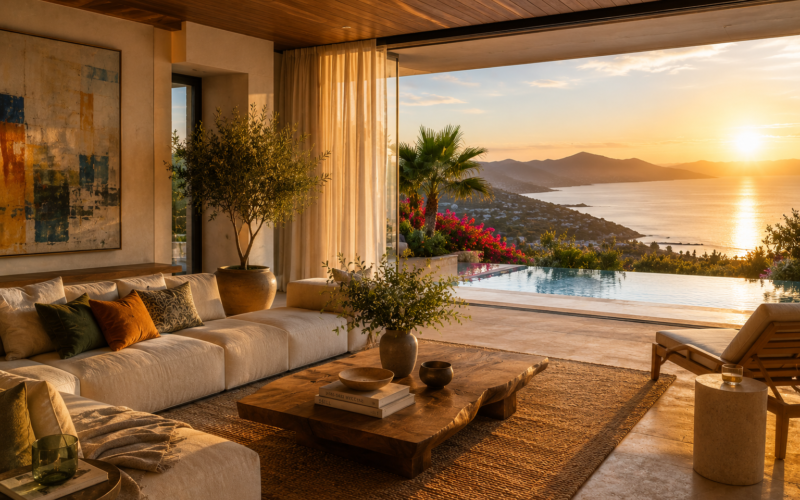
It is just after sunrise in AlUla.
A cup of coffee rests on a linen tablecloth overlooking sandstone cliffs shaped over millions of years. The phone remains untouched. There are no meetings to rush towards, no endless notifications demanding attention, and no urge to photograph the moment before simply experiencing it.
Not long ago, many people would have described this as a holiday.
Today, an increasing number of entrepreneurs, executives and creatives describe it as success.
After decades of celebrating busyness, productivity and constant connectivity, a different aspiration is quietly emerging. Across luxury travel, hospitality, architecture, fashion and wellness, time itself has become one of the most valuable possessions money can buy.
This is the return of slow living.
Far from being another wellness trend, slow living reflects a broader cultural shift in how success is defined. Rather than measuring achievement through constant consumption, many people are placing greater value on presence, craftsmanship, wellbeing and meaningful experiences.
At SWORD Arabia, we see this transformation not as a rejection of ambition, but as a new definition of modern luxury. The most desirable life is no longer necessarily the busiest one. Increasingly, it is the one lived with intention.
Why the World Is Slowing Down
For years, modern culture rewarded speed.
Faster careers.
Faster travel.
Faster communication.
Even leisure became something to optimise.
Technology promised convenience, yet many people found themselves more connected than ever while feeling increasingly disconnected from themselves.
The result has been a growing desire to reclaim something that has become surprisingly scarce: uninterrupted time.
According to the Global Wellness Institute, the global wellness economy continues to expand as consumers increasingly invest in experiences that improve quality of life rather than simply accumulating possessions.
At the same time, the World Happiness Report consistently highlights the importance of social connection, wellbeing and life satisfaction over purely financial measures of success.
These shifts suggest something larger than changing consumer behaviour.
They suggest changing priorities.
People are beginning to ask different questions.
Not “How much can I own?”
But “How well am I living?”
What Slow Living Really Means
Despite its name, slow living is not about doing everything slowly.
Nor is it about abandoning ambition or escaping modern life.
Instead, it is about making intentional choices.
Choosing quality over quantity.
Presence over distraction.
Meaning over excess.
Unlike minimalism, which often focuses on owning fewer possessions, slow living focuses on creating more meaningful experiences with whatever we choose to own, do and value.
It encourages conscious decisions rather than automatic ones.
Cooking instead of ordering.
Walking instead of rushing.
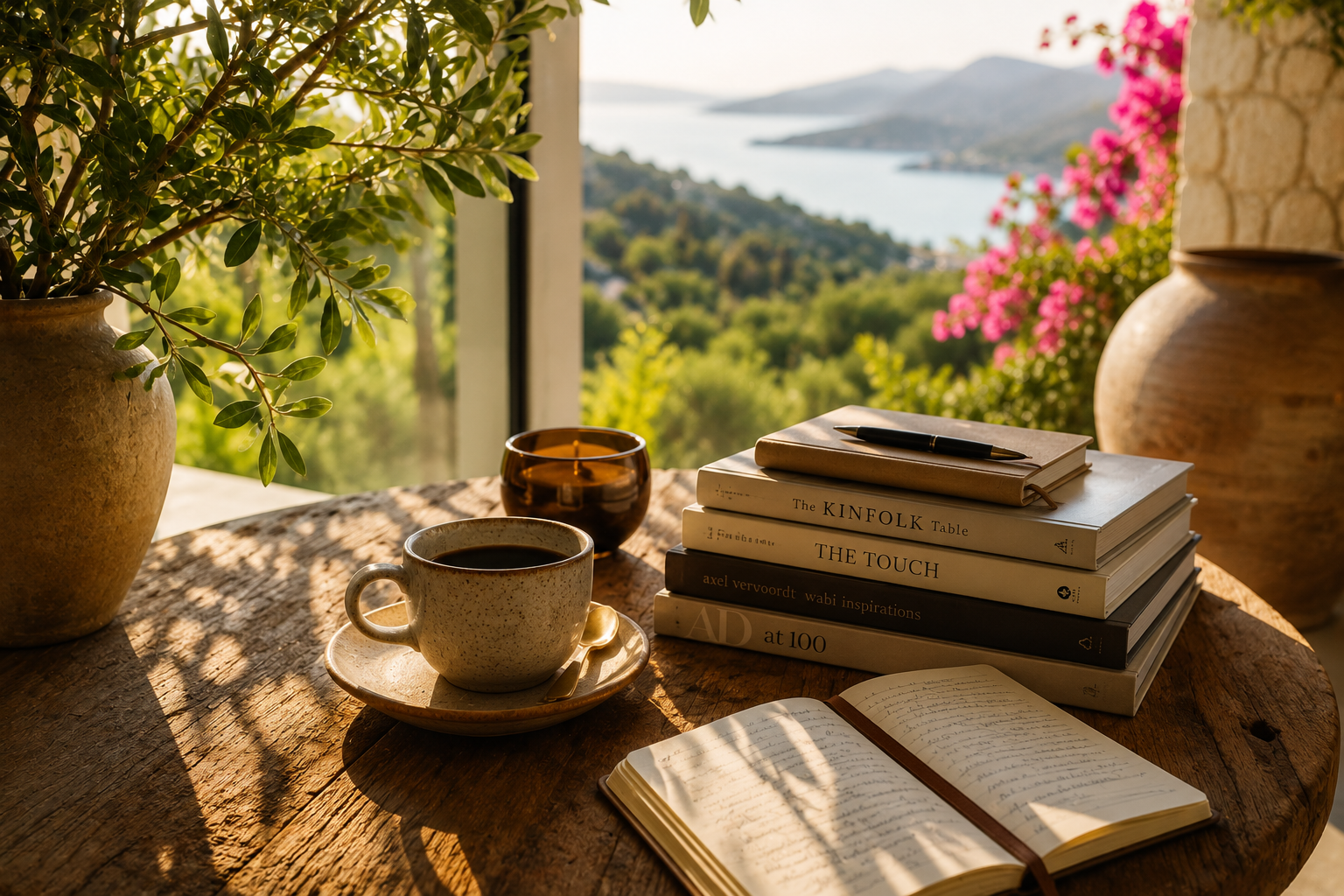
Reading instead of endlessly scrolling.
Travelling to understand a destination rather than simply collecting photographs.
The philosophy also recognises that luxury is increasingly found in experiences that cannot be mass-produced.
A quiet morning.
An uninterrupted conversation.
A beautifully prepared meal shared with family.
An afternoon without notifications.
These moments have become surprisingly rare, and therefore increasingly valuable.
Luxury Is Being Redefined
For generations, luxury was largely associated with visibility.
Larger homes.
Faster cars.
Bigger wardrobes.
Today, another form of luxury is quietly emerging.
Privacy.
Time.
Silence.
Craftsmanship.
Freedom.
Rather than asking what someone owns, people are becoming more interested in how someone lives.
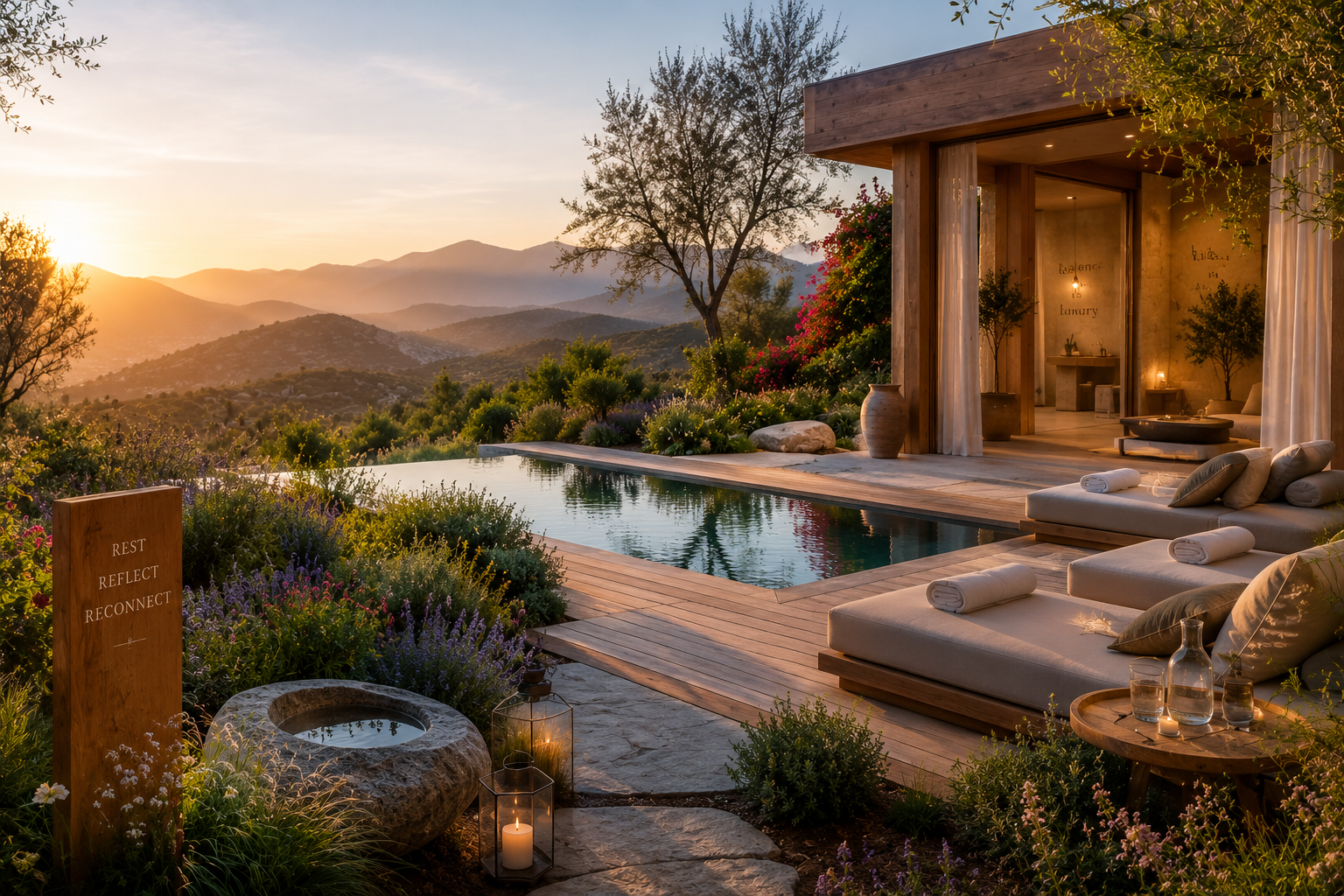
Luxury hotels illustrate this transformation particularly well.
Properties such as Aman, Six Senses and COMO Hotels have built global reputations not through extravagance alone, but by offering environments designed to slow life down. Architecture blends into landscapes. Wellness becomes part of everyday routines. Service feels intuitive rather than intrusive.
The destination becomes less important than the feeling it creates.
This same philosophy increasingly shapes residential architecture, hospitality and even fashion.
The rise of understated elegance explored in Timeless Interior Design Trends: Elegant Ideas That Never Go Out of Style reflects a similar cultural movement. Homes are being designed not to impress visitors for a single evening, but to improve everyday life for years to come.
Likewise, craftsmanship has become more desirable than novelty.
The enduring appeal of hand-finished garments discussed in Haute Couture Explained: What Makes Fashion Truly Couture? demonstrates how time, patience and skill are becoming luxury assets in themselves.
Even the world’s finest watchmakers continue to celebrate precision achieved through centuries of expertise rather than constant reinvention, a philosophy explored in Best Luxury Watch Brands: The Complete Guide to the World’s Finest Timepieces.
The common thread is remarkably consistent.
Luxury is becoming less about having more.
And more about choosing better.
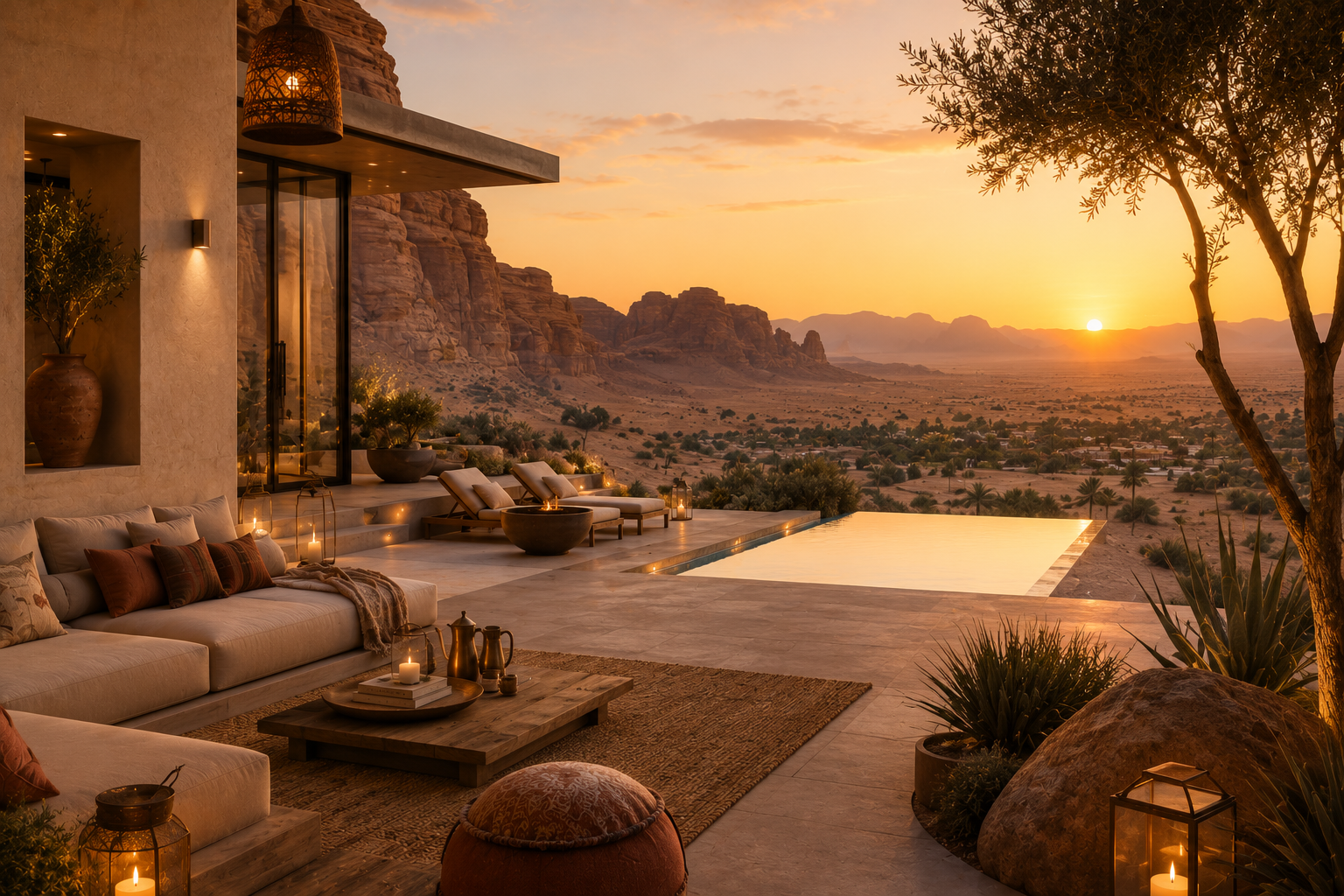
The Gulf’s New Lifestyle Priorities
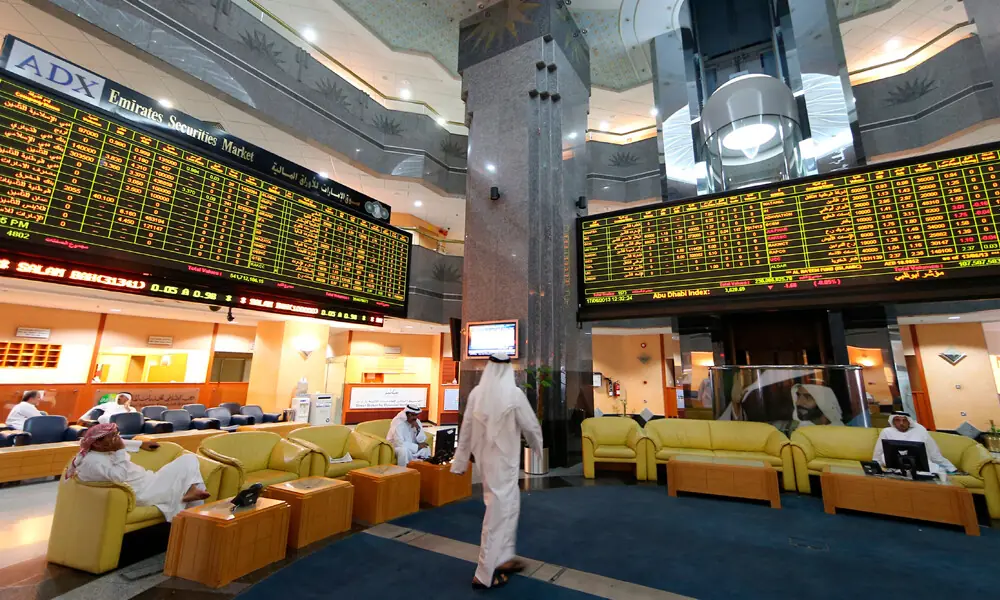
Few places illustrate the evolution of modern luxury more clearly than the Gulf.
Cities such as Dubai, Abu Dhabi, Riyadh and Doha have long been associated with ambition, innovation and rapid growth. Today, however, a quieter transformation is taking place alongside that success.
Affluent professionals are beginning to redefine what achievement looks like.
Luxury is no longer measured solely by impressive addresses, exclusive memberships or carefully curated wardrobes. Increasingly, it is measured by the ability to disconnect, protect personal time and enjoy experiences that improve overall wellbeing.
Private wellness clubs, boutique hospitality, desert retreats and architect-designed homes are becoming symbols of a slow living lifestyle rather than simple indulgences.
The growing appreciation for slower, more intentional experiences can also be seen in the region’s evolving hospitality scene. As explored in UAE Summer Is Becoming the New Language of Local Luxury, luxury today is increasingly defined by privacy, authenticity and meaningful local experiences rather than constant international travel.
This shift reflects a broader movement towards intentional living, where success is measured by quality of life as much as professional achievement.
The Connection Between Slow Living and Quiet Luxury
It is no coincidence that slow living and quiet luxury have emerged at the same time.
Both movements reject unnecessary excess.
Both celebrate craftsmanship.
Both favour longevity over novelty.
Quiet luxury is often associated with understated fashion from houses such as Loro Piana, Brunello Cucinelli and Hermès, where exceptional quality speaks more loudly than visible logos.
Yet quiet luxury extends far beyond clothing.
It influences architecture, hospitality, interior design and even daily routines.
Homes become calmer.
Objects become fewer but better.
Purchases become more thoughtful.
This philosophy mirrors the principles explored in What Makes a Great Brand? Why Some Companies Become Icons While Others Become Commodities, where lasting value is created through purpose, consistency and trust rather than constant visibility.
In many ways, modern luxury has become less about collecting possessions and more about curating a life.
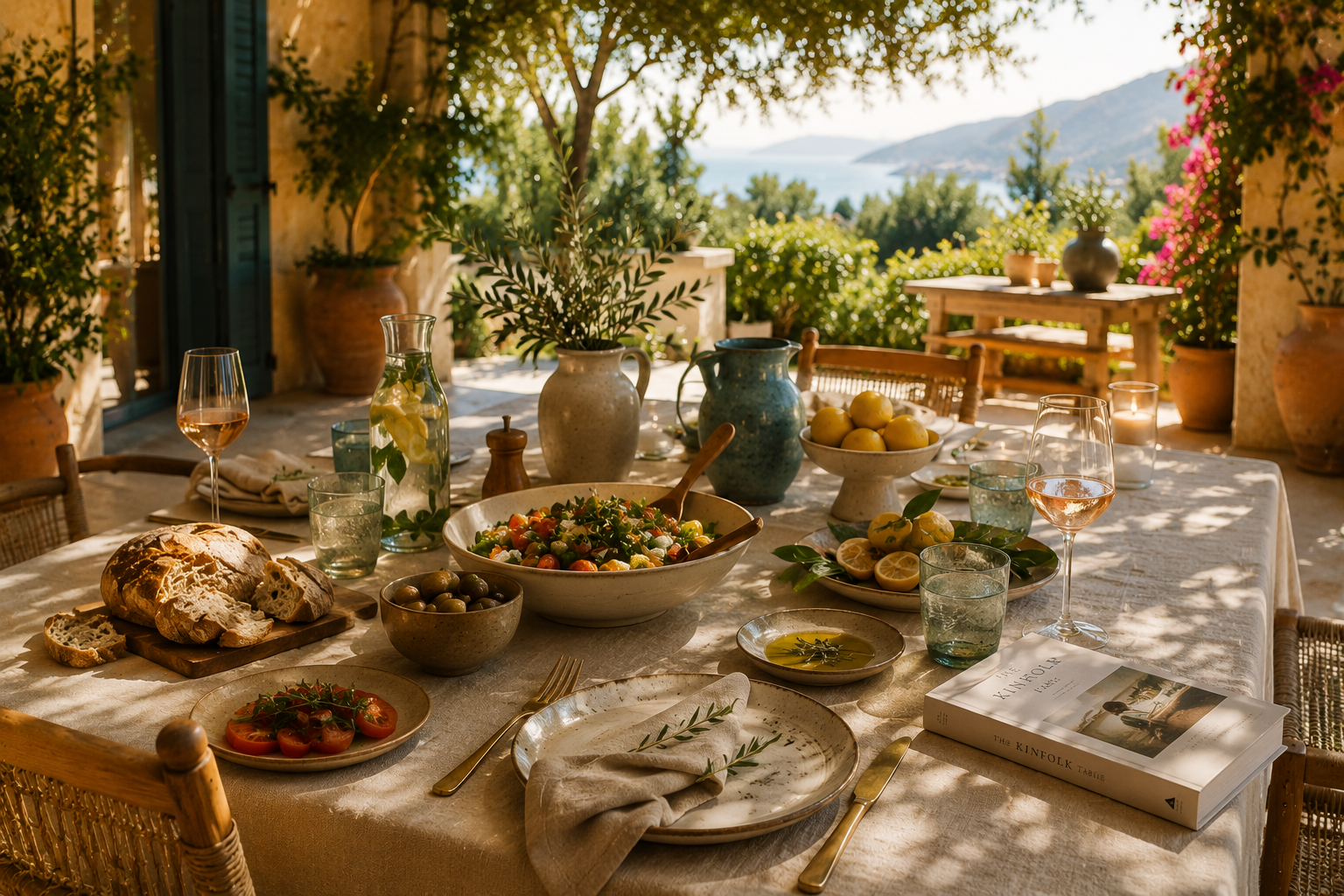
Small Rituals That Reflect a Slower Life
The slow living movement is rarely defined by dramatic lifestyle changes.
Instead, it is built through ordinary rituals performed with greater intention.
Reading a book before sunrise instead of checking emails.
Preparing breakfast slowly using handmade ceramics.
Walking after dinner without headphones.
Hosting friends around a beautifully prepared table rather than rushing through another reservation.
Planting herbs in a garden.
Choosing one meaningful journey instead of several hurried holidays.
These moments may appear ordinary.
Yet they represent something increasingly rare in contemporary life.
Presence.
Many of these rituals also support a healthier work-life balance, helping people create space between professional responsibilities and personal wellbeing without abandoning ambition.
Slow living is therefore not about doing less.
It is about experiencing more.
Can Slow Living Exist in Modern Cities?
One of the biggest misconceptions surrounding what is slow living is the belief that it requires moving to the countryside or leaving a successful career behind.
In reality, conscious living can flourish even in some of the world’s busiest cities.
A professional living in Dubai may choose to protect early mornings before opening emails.
An entrepreneur in Riyadh may dedicate weekends to family gatherings rather than networking events.
A couple in Abu Dhabi may prioritise long evening walks along the waterfront instead of another shopping trip.
Someone in Doha may choose a boutique café over a crowded mall.
None of these choices require abandoning modern life.
They simply require becoming more intentional about how time is spent.
Even a simple digital detox—switching off notifications during meals or setting aside time away from screens—can significantly improve wellbeing and restore a healthier relationship with technology.
Slow living is not defined by geography.
It is defined by priorities.
Frequently Asked Questions
What is slow living?
Slow living is a lifestyle that encourages intentional choices, meaningful experiences and greater presence rather than constant busyness or consumption.
Is slow living only for wealthy people?
No. While luxury hospitality and wellness retreats often embrace slow living principles, the philosophy itself is accessible to anyone who chooses to prioritise time, relationships and wellbeing.
How is slow living different from minimalism?
Minimalism focuses primarily on reducing possessions, while slow living focuses on being more intentional with time, experiences and everyday decisions.
Can slow living improve work-life balance?
Yes. Many people adopt slow living practices to create healthier boundaries between work and personal life, reduce stress and improve overall wellbeing.
Why are luxury brands embracing slow living?
Because affluent consumers increasingly value craftsmanship, authenticity, sustainability and meaningful experiences over excessive consumption.
The Final Word
Luxury once asked a simple question.
How much can you own?
Today, a different question is quietly taking its place.
How intentionally do you live?
The answer is reshaping everything—from the homes we design and the hotels we choose to the brands we admire and the journeys we remember.
The future of luxury will not belong to those who accumulate the most.
It will belong to those who protect what has become increasingly scarce.
Time.
Attention.
Presence.
At SWORD Arabia, we believe slow living is not a retreat from ambition but a more thoughtful expression of it. It reflects a future where modern luxury is measured less by possessions and more by purpose, wellbeing and the freedom to experience life at a pace that feels genuinely your own.
Because the rarest luxury has never been another acquisition.
It has always been time.