


There comes a point when a watch stops being about time.
It becomes about craftsmanship.
About engineering.
About history carried quietly on the wrist.
Long before smartphones made wristwatches technically unnecessary, the world’s greatest watchmakers had already transformed them into something far more enduring than practical tools. A fine mechanical watch became an object of precision, artistry and personal expression—one capable of outliving its original owner and passing from one generation to the next.
That is why luxury watches continue to occupy a unique place in modern culture. Like fashion, design and craftsmanship, fine watchmaking reflects the timeless values that continue to define SWORD Arabia’s editorial perspective on modern luxury.
They are among the few objects that sit comfortably at the intersection of fashion, engineering, design, heritage and investment. They appeal equally to collectors fascinated by microscopic mechanical movements, executives searching for a lifelong companion, and younger buyers discovering that true luxury is often measured not by novelty, but by permanence.
The industry itself reflects that enduring appeal.
Despite changing consumer habits, Swiss watchmaking continues to generate tens of billions of Swiss francs in annual exports, while collector demand, record-breaking auctions and growing interest from younger generations have expanded the audience for fine watchmaking far beyond traditional enthusiasts.
Yet entering this world can feel intimidating.
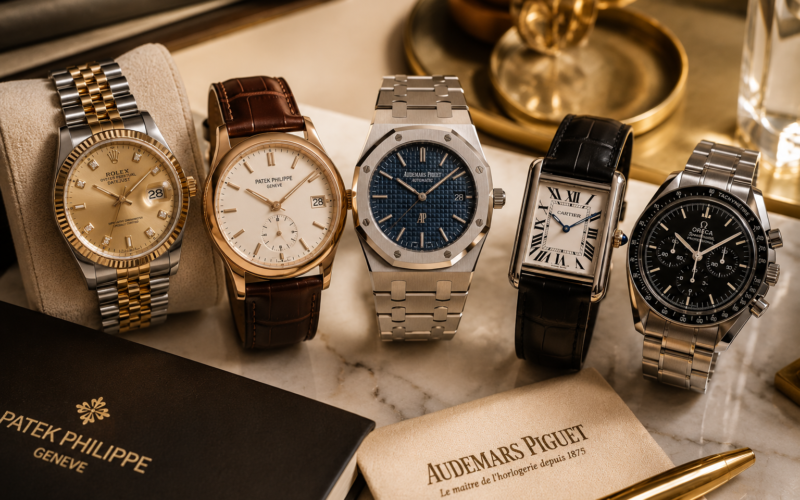
Rolex.
Patek Philippe.
Audemars Piguet.
Vacheron Constantin.
Omega.
Cartier.
For newcomers, these names often appear as little more than symbols of prestige.
For collectors, each represents an entirely different philosophy of watchmaking.
Some brands have built their reputations through technical innovation.
Others through centuries of uninterrupted craftsmanship.
Some produce hundreds of thousands of watches every year.
Others create only a few thousand, each assembled almost entirely by hand.
Understanding those differences is what transforms buying a luxury watch from a purchase into an informed decision.
This guide is not a ranking.
There is no universally “best” luxury watch brand.
Instead, it is a journey through the houses that shaped modern horology—exploring what makes each one distinctive, why collectors admire them, and how different brands speak to different personalities and lifestyles.
Because choosing a luxury watch is rarely about finding the most expensive one.
It is about finding the one that tells your story.
Why Luxury Watches Continue to Define Timeless Style
Luxury has always evolved.
Fashion changes every season.
Technology becomes obsolete within years.
Cars are redesigned almost continuously.
Yet the world’s most respected watches often remain remarkably unchanged.
The Rolex Submariner introduced decades ago still resembles today’s model.
The Cartier Tank remains instantly recognisable more than a century after its creation.
The Patek Philippe Calatrava continues to embody minimalist elegance despite changing tastes across generations.
That consistency is not resistance to innovation.
It is confidence in timeless design.
Unlike many luxury products, watches improve through refinement rather than reinvention. Small technical advancements happen beneath the dial while the exterior evolves carefully, preserving the identity that collectors value.
Perhaps that explains why mechanical watches have become increasingly attractive in an era dominated by digital technology.
They represent something deliberately analogue.
Every wheel, spring and gear exists for a reason.
Every movement is powered not by software updates or rechargeable batteries, but by centuries of accumulated mechanical knowledge.
In many ways, luxury watches celebrate patience in a world increasingly driven by speed.
What Makes a Watch Truly Luxurious?
Price alone has never defined luxury.
If it did, every expensive watch would deserve equal respect.
Collectors know better.
True luxury is measured by what cannot easily be replicated: craftsmanship, technical expertise, finishing, heritage and the countless hours invested long before a watch reaches a boutique.
Luxury is rarely confined to a single discipline. Whether exploring haute horlogerie, fashion, jewellery or beauty, SWORD Arabia approaches every subject through the lens of craftsmanship, heritage and enduring design.
Craftsmanship
Behind every respected watchmaker lies an extraordinary amount of human skill.
Even with modern manufacturing technologies, many components continue to require meticulous hand-finishing, polishing and assembly.
A single complicated movement may contain hundreds of individual parts.
Each must function with microscopic precision.
Each contributes to the reliability of the whole.
The finest manufactures spend years training watchmakers before allowing them to assemble their most complex calibres.
It is craftsmanship measured not in minutes, but in decades.
Movements
The movement is often described as the heart of a watch.
It determines how time is measured, how complications operate and, ultimately, how collectors evaluate the piece.
Luxury brands invest enormous resources into developing proprietary movements, balancing technical performance with aesthetic beauty.
Many are designed not only to perform accurately, but to look beautiful through a sapphire crystal caseback.
Because in haute horlogerie, engineering is also art.
Materials
Luxury watches are built to endure.
Stainless steel remains highly respected for sports watches, while precious metals such as gold and platinum continue to define traditional dress pieces.
Modern brands increasingly experiment with titanium, ceramic, forged carbon and advanced composite materials that reduce weight while improving durability.
The choice of material reflects more than price.
It shapes the entire personality of the watch.
Complications
Beyond displaying hours, minutes and seconds, many luxury watches perform additional mechanical functions known as complications.
Among the most admired are:
- Chronographs for measuring elapsed time.
- GMT functions for tracking multiple time zones.
- Perpetual calendars capable of accounting for leap years.
- Moonphase displays that follow the lunar cycle.
- Tourbillons designed to improve positional accuracy while showcasing extraordinary mechanical craftsmanship.
Not every collector seeks complicated watches.
Some value simplicity above all else.
But complications remain one of watchmaking’s highest artistic expressions.
Finishing
Perhaps nothing separates fine watchmaking from mass production more clearly than finishing.
Look closely beneath a loupe and you’ll discover polished bevels, Geneva stripes, hand-engraved bridges, circular graining and mirror-finished screws.
Many of these details serve little practical purpose.
They exist because excellence demands them.
They represent craftsmanship performed for its own sake.
And that may be the purest definition of luxury.
Understanding Swiss Watchmaking
Although exceptional watches are produced in Germany, Japan and elsewhere, Switzerland remains the undisputed centre of modern haute horlogerie.
Its reputation has been earned over centuries through innovation, regulation and an unwavering commitment to precision.
Today, many of the world’s most prestigious watch houses continue to manufacture their movements, cases and components within Switzerland’s historic watchmaking regions, particularly around Geneva and the Vallée de Joux.
Understanding what “Swiss Made” actually means helps explain why those two words carry so much weight.
What Does “Swiss Made” Really Mean?
Contrary to popular belief, a watch cannot simply be assembled in Switzerland and receive the Swiss Made designation.
Strict legal standards govern its use.
Among other requirements, the movement must be Swiss, the watch must be assembled and inspected in Switzerland, and a substantial proportion of manufacturing costs must originate there.
These regulations help preserve the country’s reputation for quality while protecting consumers from misleading claims.
They also reinforce something collectors have understood for generations.
Swiss Made is not merely a place of origin.
It is a benchmark of trust.
Mechanical vs Quartz
Modern watches generally fall into two categories.
Quartz watches rely on battery-powered electronic movements that offer remarkable accuracy with minimal maintenance.
Mechanical watches rely entirely on gears, springs and precision engineering.
From a purely practical perspective, quartz is often more accurate.
Yet collectors overwhelmingly favour mechanical watches because they represent centuries of craftsmanship rather than electronic convenience.
Owning a mechanical watch means appreciating not only the time it displays, but the extraordinary mechanism responsible for displaying it.
Automatic Movements
Among mechanical watches, automatic movements have become the everyday choice for many enthusiasts.
Instead of requiring manual winding each day, they harness energy from the natural movement of the wearer’s wrist.
As the wrist moves, a weighted rotor rotates inside the case, gradually winding the mainspring and storing energy.
It is an elegant solution that perfectly captures the philosophy of fine watchmaking.
Complex engineering hidden beneath effortless simplicity.
Every legendary watch house approaches that philosophy differently.
Some have become synonymous with precision.
Others with innovation.
Others with uncompromising hand craftsmanship.
Together, they define the modern landscape of luxury watchmaking.
And that journey begins with perhaps the most recognisable name in the industry.
Rolex.
The Great Houses of Watchmaking
Every respected watch manufacturer tells time.
The greatest ones tell a story.
Some built their reputations through technical breakthroughs. Others became icons because of timeless design, uncompromising craftsmanship or centuries of uninterrupted heritage. Together, they represent the highest achievements of Swiss and German watchmaking, shaping the industry long before luxury watches became symbols of status.
Understanding these maisons is not about learning which brand is “best.”
It is about discovering which philosophy resonates most with you.
Rolex
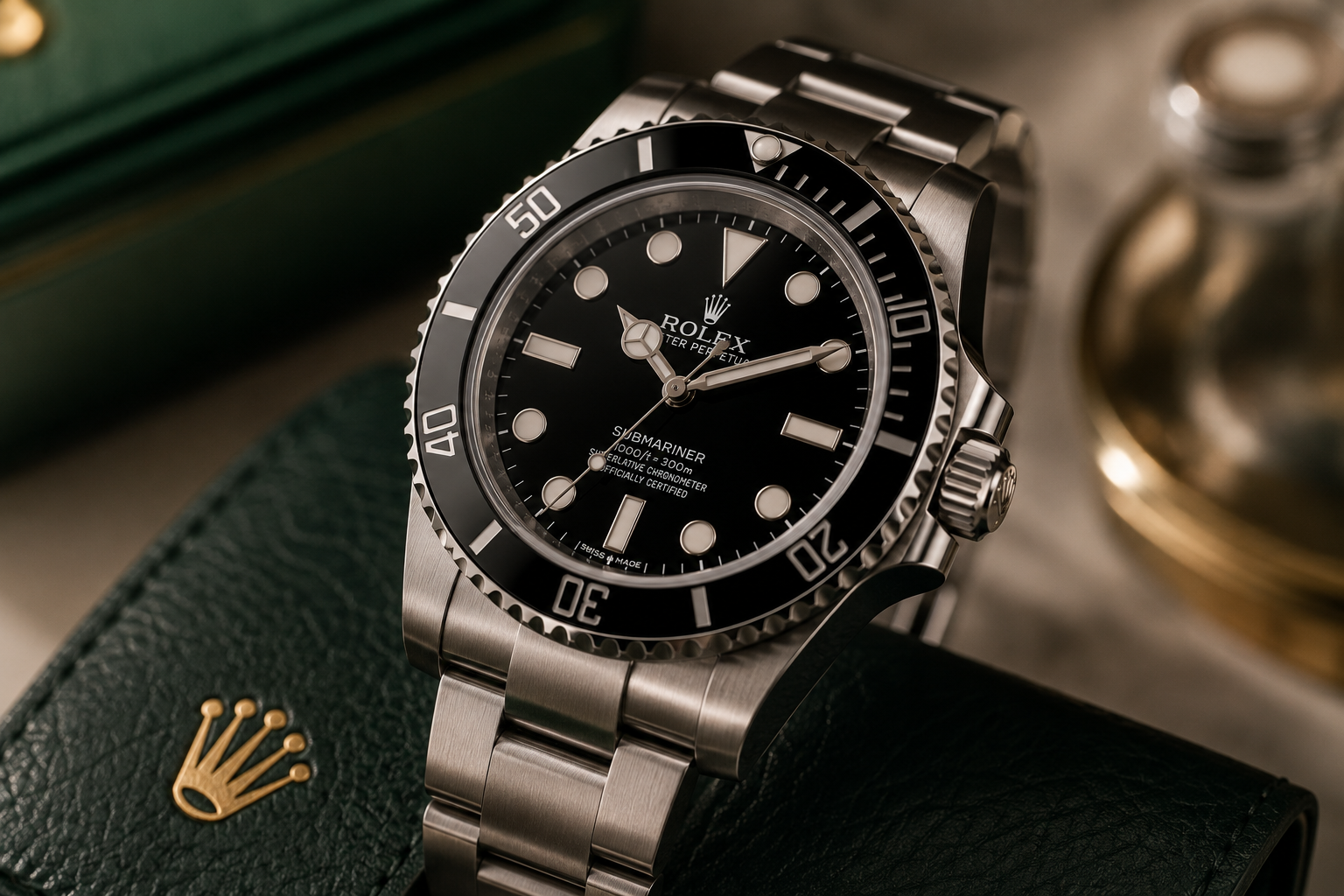
No name in watchmaking enjoys broader recognition than Rolex.
Founded in 1905, the brand has spent more than a century building a reputation around reliability, precision and enduring design. While many luxury houses produce more complicated watches, few have achieved Rolex’s remarkable balance between engineering excellence, everyday wearability and global desirability.
Part of Rolex’s appeal lies in its restraint.
The design language evolves gradually rather than dramatically, allowing collections such as the Submariner, Datejust and Daytona to remain instantly recognisable across generations.
Beyond aesthetics, Rolex has consistently pioneered practical innovation. The brand introduced the first waterproof Oyster case, developed highly robust automatic movements and continues to manufacture the vast majority of its components in-house.
For many collectors, Rolex represents the gateway into fine watchmaking.
For others, it remains the destination.
Patek Philippe
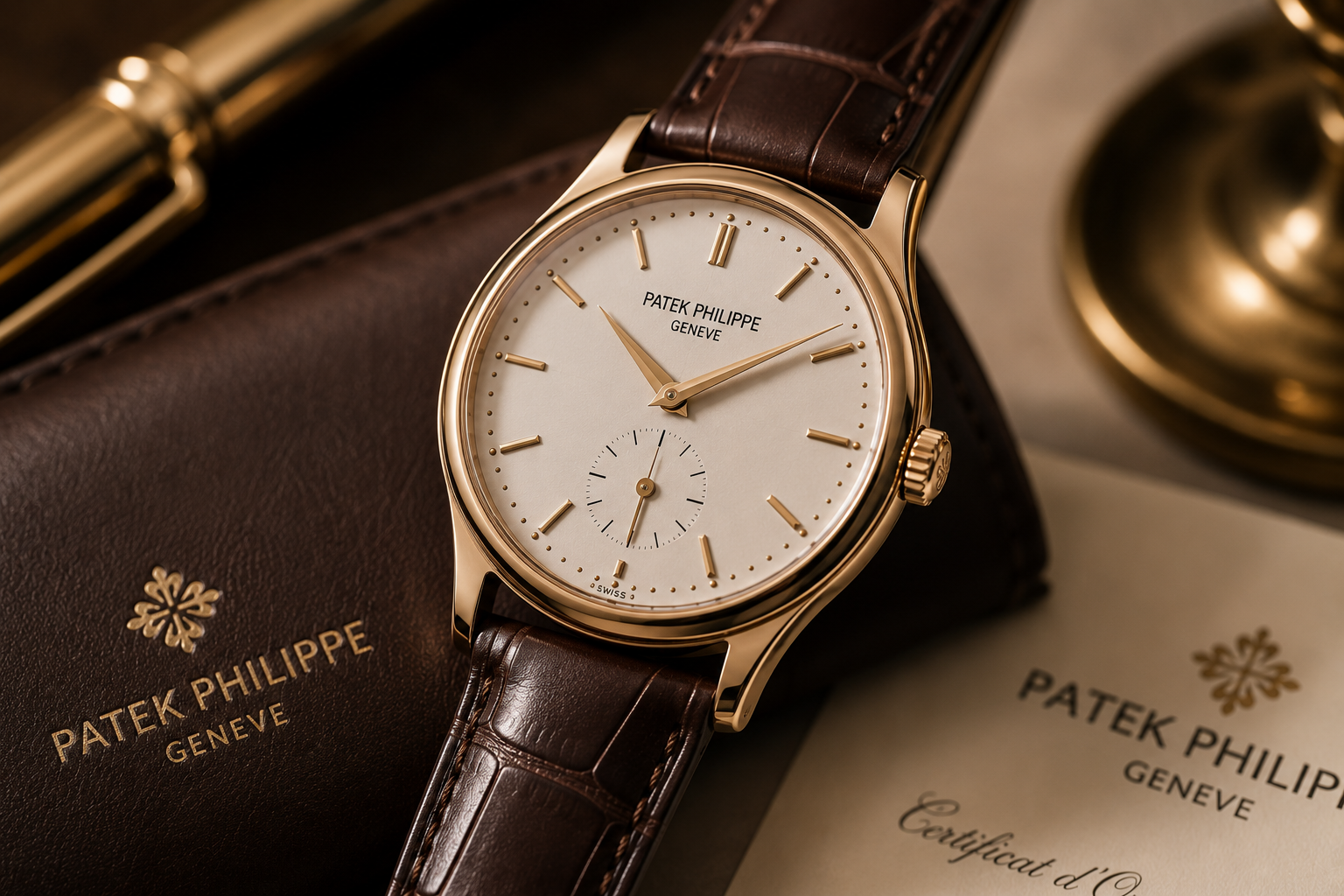
If Rolex is the world’s most recognisable luxury watchmaker, Patek Philippe is often regarded as its most revered.
Founded in Geneva in 1839, the maison has become synonymous with traditional haute horlogerie, producing watches that combine extraordinary mechanical complexity with understated elegance.
Its philosophy has always differed from mass luxury.
Production remains intentionally limited, craftsmanship is meticulous, and many complicated timepieces require months—sometimes years—to complete.
The Nautilus transformed the perception of luxury sports watches, while the Calatrava remains one of the purest expressions of classic dress watch design ever created.
Perhaps no advertising campaign has captured the spirit of watch collecting more effectively than Patek Philippe’s famous line:
“You never actually own a Patek Philippe. You merely look after it for the next generation.”
That message reflects more than marketing.
It reflects how many owners genuinely view their watches—as family heirlooms rather than possessions.
Audemars Piguet
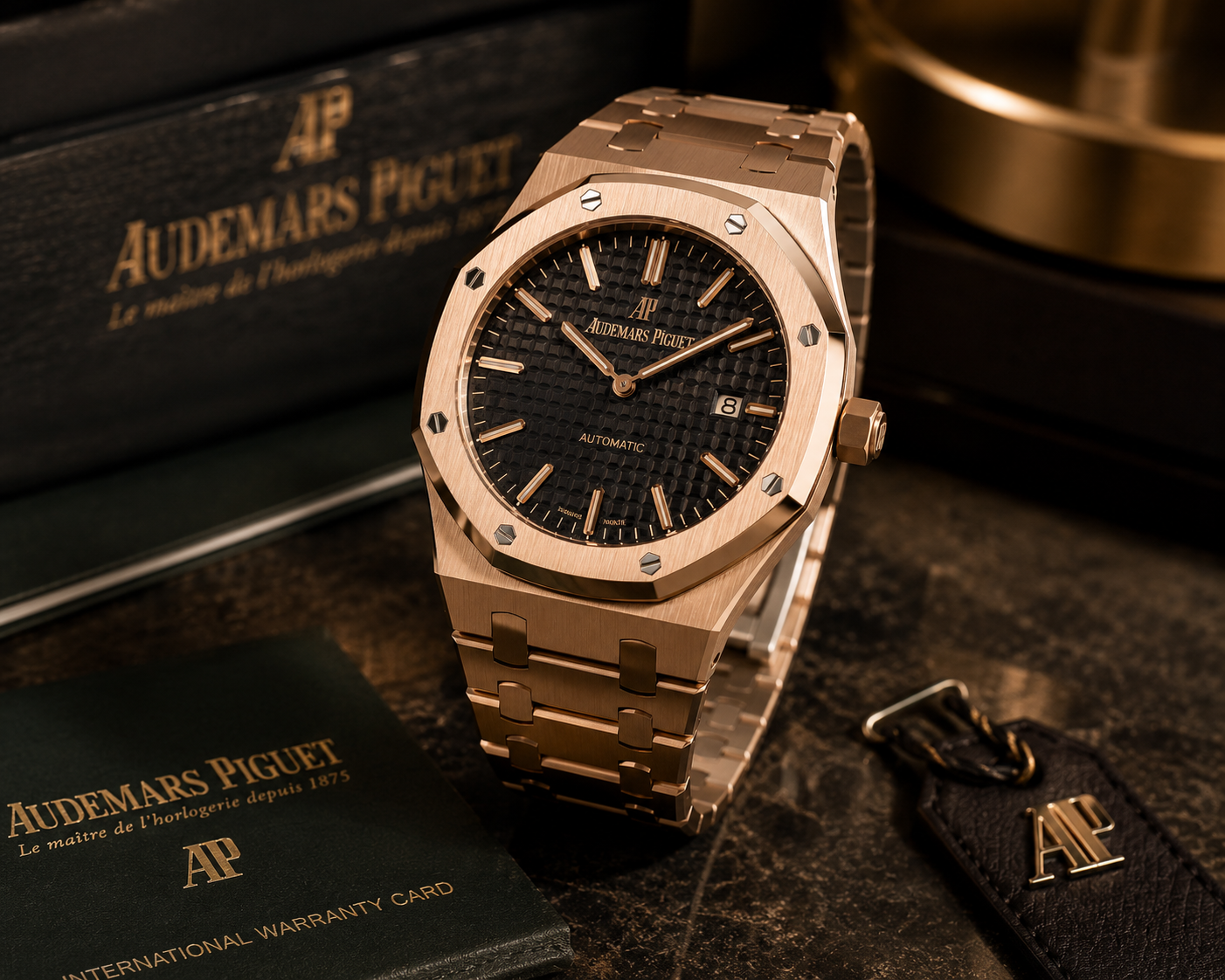
Few watches have changed the industry as dramatically as the Royal Oak.
When Audemars Piguet introduced the model in 1972, it challenged almost every convention of luxury watchmaking. Designed by the legendary Gérald Genta, it combined stainless steel, an integrated bracelet and exposed bezel screws at a time when precious metals dominated high-end watchmaking.
Initially controversial, the Royal Oak would go on to redefine the luxury sports watch category.
Today, Audemars Piguet remains one of the “Holy Trinity” of Swiss watchmaking alongside Patek Philippe and Vacheron Constantin.
Although the Royal Oak continues to dominate public attention, the maison is equally respected for its technical innovation, skeletonised movements and high complications.
Collectors often describe Audemars Piguet as the perfect balance between tradition and bold design.
Vacheron Constantin
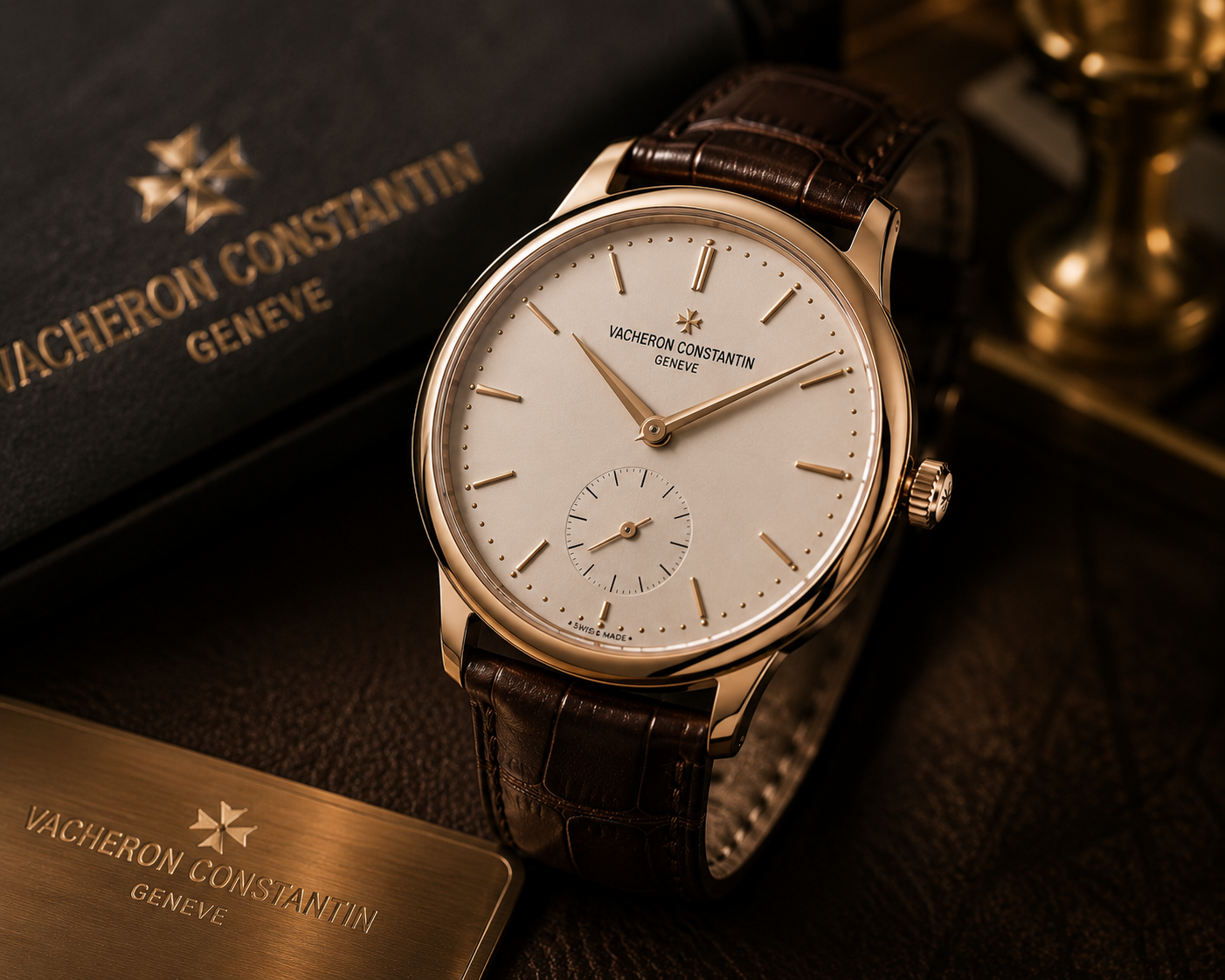
Established in 1755, Vacheron Constantin is the oldest watch manufacturer in continuous operation.
That uninterrupted history carries enormous significance.
For more than two and a half centuries, the maison has produced watches defined not by trends, but by extraordinary craftsmanship.
Its motto—
“Do better if possible, and that is always possible.”
—captures the philosophy that continues to guide the brand today.
Collections such as the Patrimony, Traditionnelle and Overseas showcase remarkable finishing, elegant proportions and mechanical sophistication.
While Rolex often represents practical luxury, Vacheron Constantin speaks to collectors seeking quiet refinement.
It is a brand admired less for visibility than for connoisseurship.
Omega
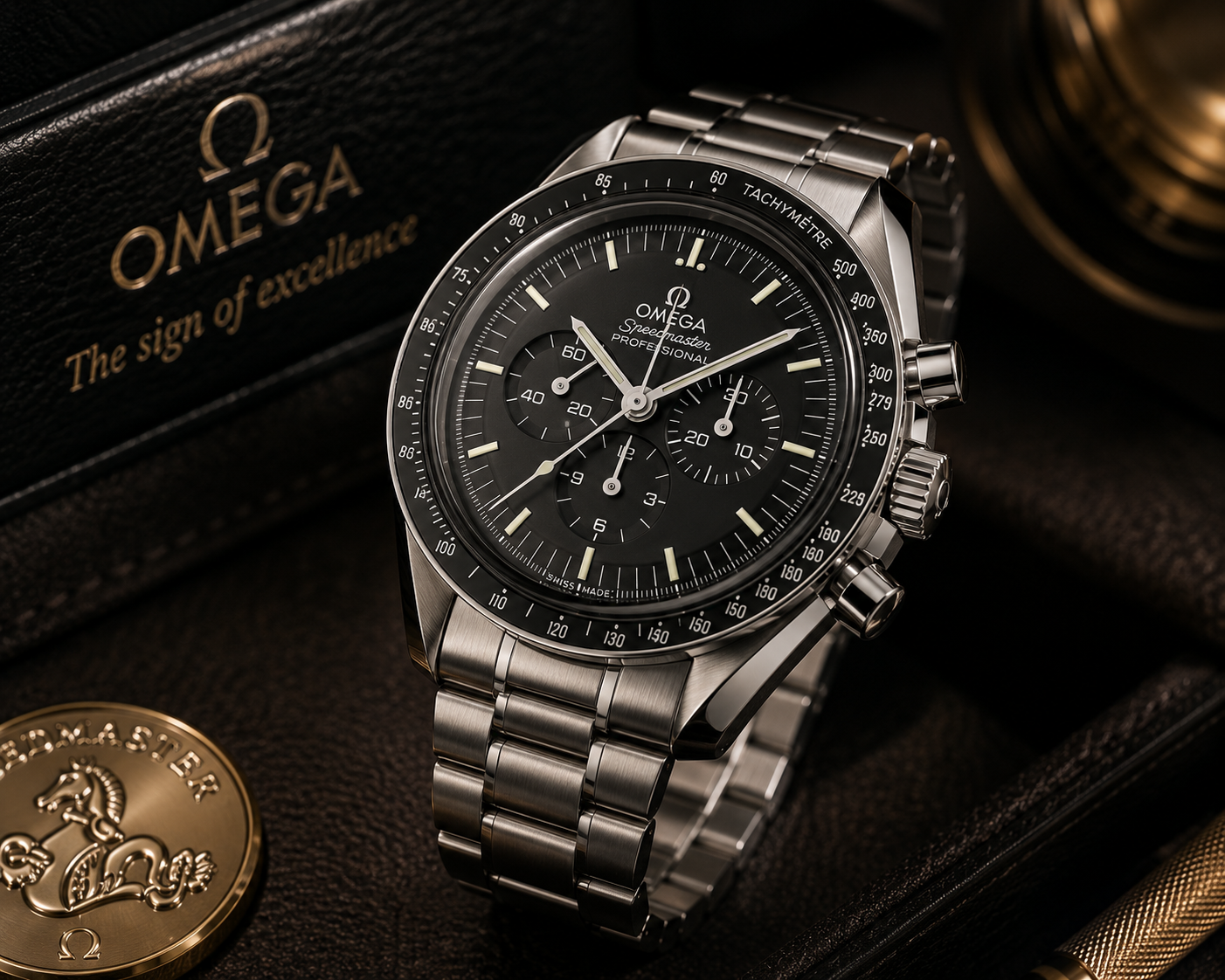
Few watchmakers have combined technical achievement and cultural relevance as successfully as Omega.
Founded in 1848, the brand has become deeply woven into modern history.
Its watches have accompanied Olympic athletes, deep-sea explorers, military personnel and astronauts.
Most famously, the Speedmaster Professional became the first watch worn on the Moon during NASA’s Apollo missions, earning the enduring nickname “Moonwatch.”
Meanwhile, the Seamaster achieved global recognition through its long association with James Bond.
Omega has also become one of the industry’s leaders in precision engineering through its Master Chronometer certification, combining exceptional accuracy with impressive resistance to magnetic fields.
For buyers seeking a balance between heritage, innovation and relative accessibility within luxury watchmaking, Omega remains one of the strongest choices available.
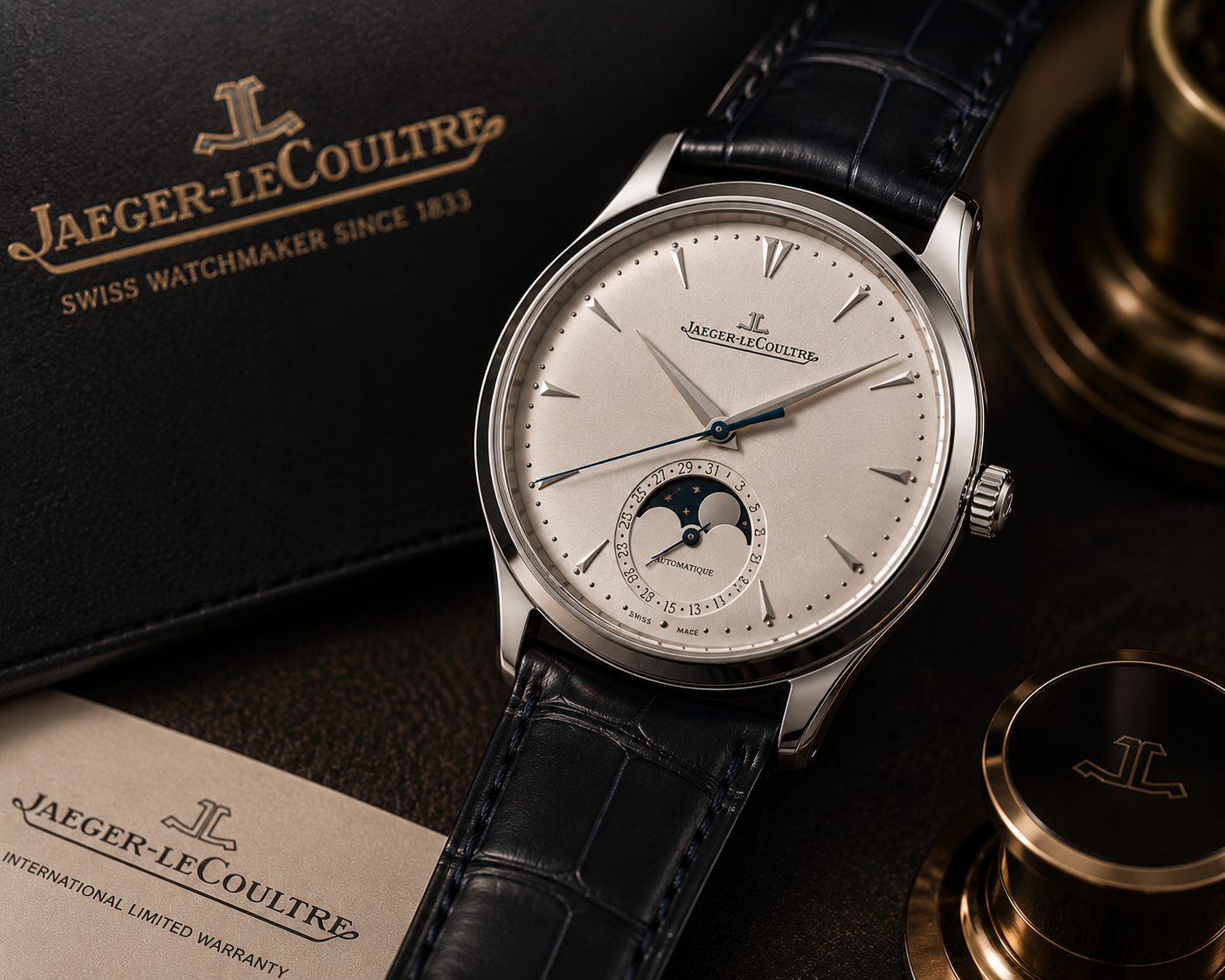
Jaeger-LeCoultre
Within the watch industry, Jaeger-LeCoultre is often called “the watchmaker’s watchmaker.”
The nickname is well deserved.
Throughout its history, the manufacture has supplied movements to many of Switzerland’s most prestigious maisons, including brands that would later become direct competitors.
Its technical achievements are extraordinary.
More than 1,200 calibres have been developed in-house, alongside hundreds of patents spanning nearly two centuries.
The maison’s most recognisable creation, the Reverso, was originally designed in the 1930s for polo players who needed a watch capable of protecting its crystal during matches.
Its reversible case has since become one of watchmaking’s most iconic designs.
Jaeger-LeCoultre appeals to enthusiasts who appreciate mechanical ingenuity as much as aesthetics.
It is a brand that rewards deeper knowledge.
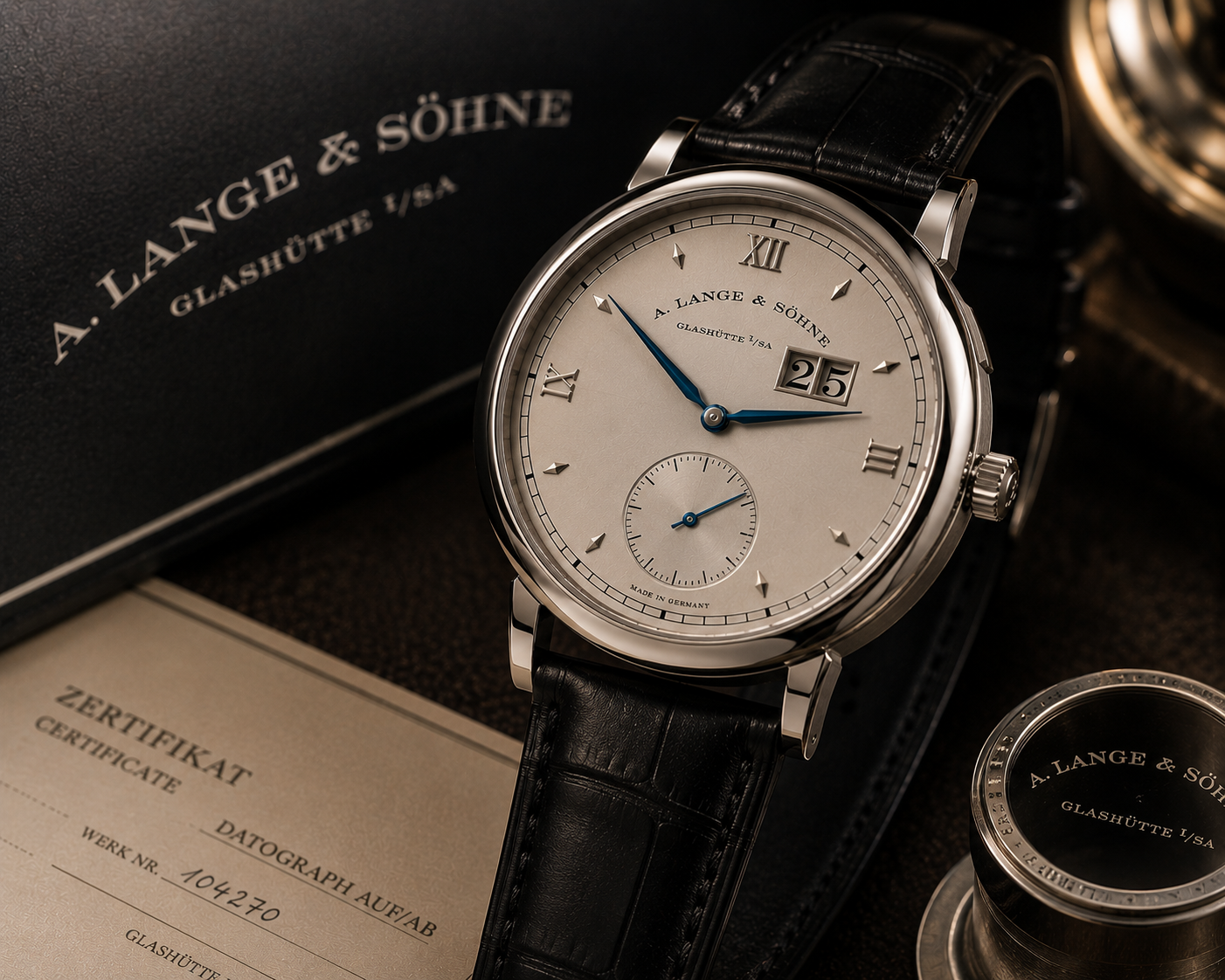
A. Lange & Söhne
Not every masterpiece comes from Switzerland.
Founded in the German town of Glashütte, A. Lange & Söhne represents the pinnacle of German watchmaking.
Its story is one of remarkable resilience.
Following World War II, the company disappeared for decades after its facilities were nationalised in East Germany.
Only after German reunification was the manufacture revived, quickly re-establishing itself among the world’s finest watchmakers.
Today, Lange movements are celebrated for their architectural beauty, hand-engraved balance cocks and exceptional finishing.
Many collectors consider them among the most beautiful mechanical movements ever created.
Unlike brands that pursue instant recognition, A. Lange & Söhne attracts collectors who value technical perfection over public visibility.
Owning one is rarely about making a statement.
It is about appreciating one of horology’s highest forms of craftsmanship.
By this point, one thing becomes clear.
The world’s greatest watchmakers are not competing to produce the same watch.
Each maison represents a different philosophy of luxury.
Rolex values robustness.
Patek Philippe celebrates generational heritage.
Audemars Piguet embraces bold design.
Vacheron Constantin pursues timeless refinement.
Omega champions exploration and innovation.
Jaeger-LeCoultre rewards technical curiosity.
A. Lange & Söhne elevates mechanical artistry to its highest expression.
And yet, the journey through fine watchmaking is only halfway complete.
Beyond the Icons
The world’s finest watchmaking extends well beyond the names most frequently seen on magazine covers.
Manufactures such as Cartier, IWC Schaffhausen, Breguet, Blancpain, Piaget, Girard-Perregaux, Zenith and Richard Mille each represent a distinct chapter in the story of haute horlogerie.
Some have shaped centuries of innovation. Others have redefined contemporary luxury through bold materials, unconventional engineering or unmistakable design.
Alongside them, a growing generation of independent watchmakers—including F.P. Journe, MB&F, Laurent Ferrier and H. Moser & Cie.—continues to push the boundaries of mechanical watchmaking, producing highly limited pieces that have become increasingly sought after by seasoned collectors.
The lesson is simple.
There is no single hierarchy in luxury watchmaking.
Only different philosophies, different histories and different expressions of craftsmanship.
The right watch is rarely the one someone else tells you to buy.
It is the one that aligns with your own taste, lifestyle and appreciation for the art of horology.
Luxury Watches by Category
Not every luxury watch is designed for the same purpose. Understanding the major categories makes choosing a watch considerably easier.
Dress Watches
Dress watches celebrate restraint.
Typically slim, elegant and understated, they are designed to complement formal attire rather than dominate it. Collections such as the Patek Philippe Calatrava, Cartier Tank and Jaeger-LeCoultre Reverso remain enduring references for classic dress watches because they prioritise proportion, refinement and timeless design over visual complexity.
Sports Watches
Luxury sports watches have become the defining category of modern collecting.
Originally created as practical instruments, many have evolved into cultural icons equally at home with tailoring or casual wear.
The Rolex Submariner, Audemars Piguet Royal Oak and Vacheron Constantin Overseas demonstrate how durability and elegance can coexist within a single design.
Dive Watches
Built to withstand underwater environments, dive watches are among the most versatile timepieces available.
Features such as rotating bezels, high water resistance and luminous dials make them highly practical, even for those who never intend to dive.
The Omega Seamaster, Rolex Submariner and Blancpain Fifty Fathoms remain benchmarks within the category.
Chronographs
A chronograph combines traditional timekeeping with a stopwatch function, adding both mechanical complexity and visual character.
From racing circuits to aviation, chronographs have played an important role throughout modern history.
Few watches illustrate that legacy more clearly than the Omega Speedmaster, whose journey to the Moon secured its place among horology’s greatest icons.
GMT Watches
For travellers and international professionals, GMT watches offer the ability to track multiple time zones simultaneously.
Originally developed for pilots during the rise of commercial aviation, they remain practical companions for anyone regularly crossing borders.
How to Choose Your First Luxury Watch
Buying a first luxury watch can feel overwhelming.
With hundreds of references available across dozens of prestigious manufacturers, it is tempting to focus on reputation alone.
A better approach is to begin with your lifestyle.
Do you want a watch that disappears beneath a shirt cuff during business meetings?
A versatile sports watch you can wear every day?
Or a collector’s piece reserved for special occasions?
Comfort matters just as much as aesthetics.
Case diameter, thickness, bracelet design and overall weight all influence how frequently a watch will actually be worn.
Budget should also be viewed realistically.
Luxury watch collecting is rarely about purchasing the most expensive piece you can afford. It is about buying the best watch within your means—one that you will enjoy wearing for years rather than replacing after a season.
Most importantly, avoid chasing trends.
The watches that remain meaningful decades later are usually the ones chosen for personal reasons rather than market hype.
Are Luxury Watches Good Investments?
It is one of the most frequently asked questions in modern watch collecting.
The answer is more nuanced than many expect.
Some watches have generated extraordinary returns over the past decade, particularly highly sought-after models from Rolex, Patek Philippe and Audemars Piguet.
Others have remained relatively stable.
Many depreciate after purchase.
Buying a luxury watch solely as an investment is therefore a risky strategy.
Markets fluctuate, production changes and collector preferences evolve over time.
A better mindset is to treat financial appreciation as a possible benefit rather than the primary objective.
The strongest long-term purchases tend to combine exceptional craftsmanship, enduring design and genuine personal enjoyment.
If a watch also appreciates in value, that becomes an added reward rather than the reason for owning it.
How to Care for a Luxury Watch
A fine mechanical watch is designed to last for generations, provided it receives appropriate care.
Regular servicing—typically every five to ten years, depending on the manufacturer and frequency of wear—helps ensure that lubricants remain effective and components continue operating within specification.
When not wearing the watch, store it in a clean, dry environment away from excessive humidity, magnetic fields and sudden impacts.
Leather straps benefit from avoiding prolonged exposure to water, while metal bracelets should be cleaned periodically with a soft cloth to remove dust and perspiration.
Most importantly, wear the watch.
Mechanical movements are created to operate.
A luxury watch hidden permanently inside a safe misses the purpose for which it was built.
Frequently Asked Questions
What defines a luxury watch brand?
Luxury watch brands combine heritage, technical expertise, high-quality materials and exceptional craftsmanship. Their value extends beyond telling time to include mechanical innovation, finishing and long-standing reputation.
Are Swiss watches always better?
Switzerland remains the global centre of fine watchmaking, but exceptional watches are also produced in Germany and Japan. Brands such as A. Lange & Söhne and Grand Seiko demonstrate that outstanding craftsmanship is not exclusive to Switzerland.
Which luxury watches hold their value best?
Historically, selected models from Rolex, Patek Philippe and Audemars Piguet have shown particularly strong value retention, although future performance is never guaranteed.
How often should a mechanical watch be serviced?
Most manufacturers recommend servicing every five to ten years, although intervals vary depending on the movement, model and usage.
What is a tourbillon?
A tourbillon is a sophisticated mechanical complication originally developed to improve accuracy by compensating for the effects of gravity. Today, it is admired primarily as one of watchmaking’s highest demonstrations of technical craftsmanship.
The Final Word
Luxury watches have never been simply about measuring time.
They represent something increasingly rare in the modern world: craftsmanship that refuses to be rushed.
Every polished bridge, every engraved movement and every carefully assembled calibre reflects hundreds of years of accumulated knowledge passed from one generation of watchmakers to the next.
That is why the world’s greatest timepieces continue to captivate collectors long after trends have faded.
Some will choose Rolex for its enduring versatility.
Others will be drawn to the quiet refinement of Patek Philippe, the bold architecture of Audemars Piguet, the technical brilliance of Jaeger-LeCoultre or the artistic perfection of A. Lange & Söhne.
None of those choices is inherently better than another.
Because the finest luxury watch is not defined by its price, its rarity or the name engraved on its dial.
It is the one that reflects your own appreciation for craftsmanship, heritage and timeless design.
At SWORD Arabia, we believe these are the qualities that give luxury its lasting meaning—whether expressed through a mechanical timepiece, a couture creation or an object of exceptional design.
And perhaps that is the greatest achievement of fine watchmaking.
Not that it tells the time.
But that, decades later, it still has a story worth telling.