

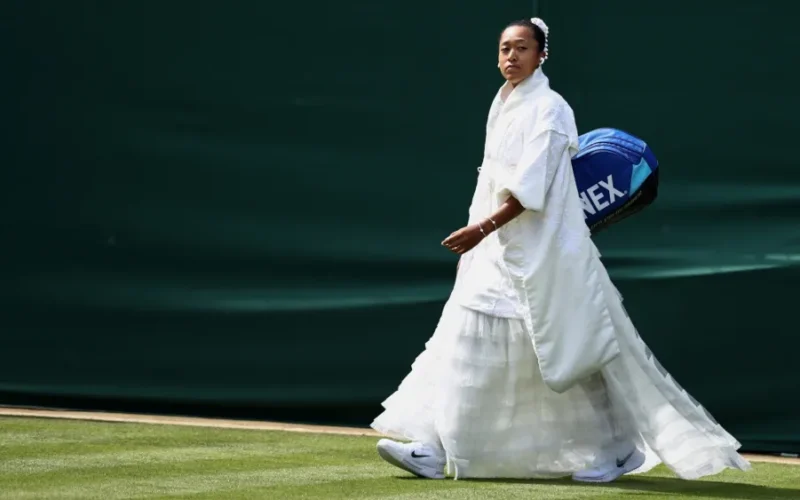
Naomi Osaka has always understood that fashion can say more than a press conference.
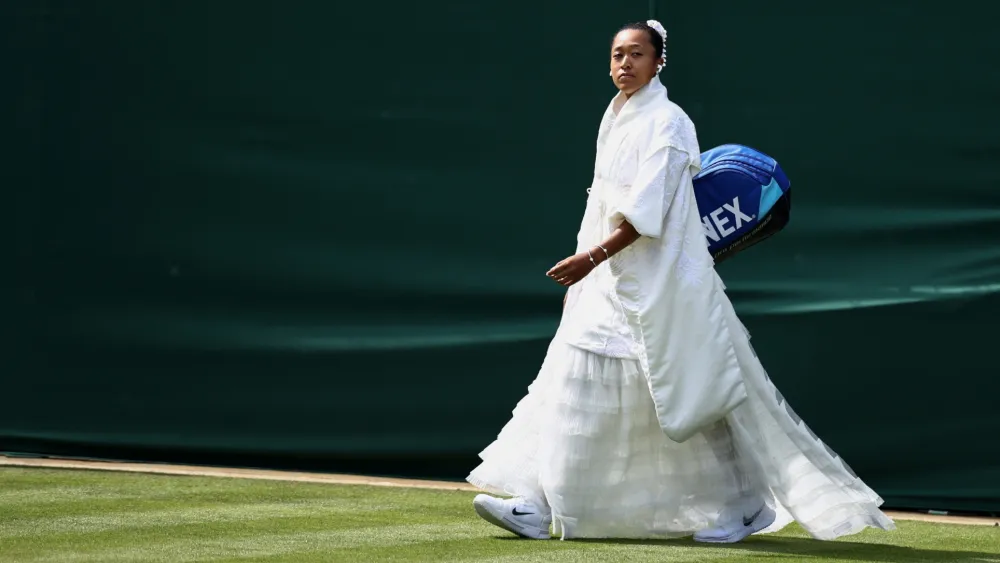
At Wimbledon 2026, her look did more than follow the tournament’s famous white dress code. It brought together sport, identity, heritage and performance in a way that felt personal without losing the discipline of tennis tradition.
A Wimbledon Look With Meaning
Wimbledon has one of the strictest dress codes in sport, with players expected to wear almost entirely white on court. That rule can make fashion expression harder, but Osaka’s outfit showed how much can still be said within restraint.
Her look appeared to reference Japanese dress codes and kimono inspired shapes, giving the outfit a cultural layer while keeping it within Wimbledon’s visual language. It was not loud. It did not need to be. The strength was in the detail.
For Osaka, whose public image has often moved between tennis, fashion, Japanese identity and global celebrity, the look felt like a natural extension of her story.
Why the White Dress Code Made It Stronger
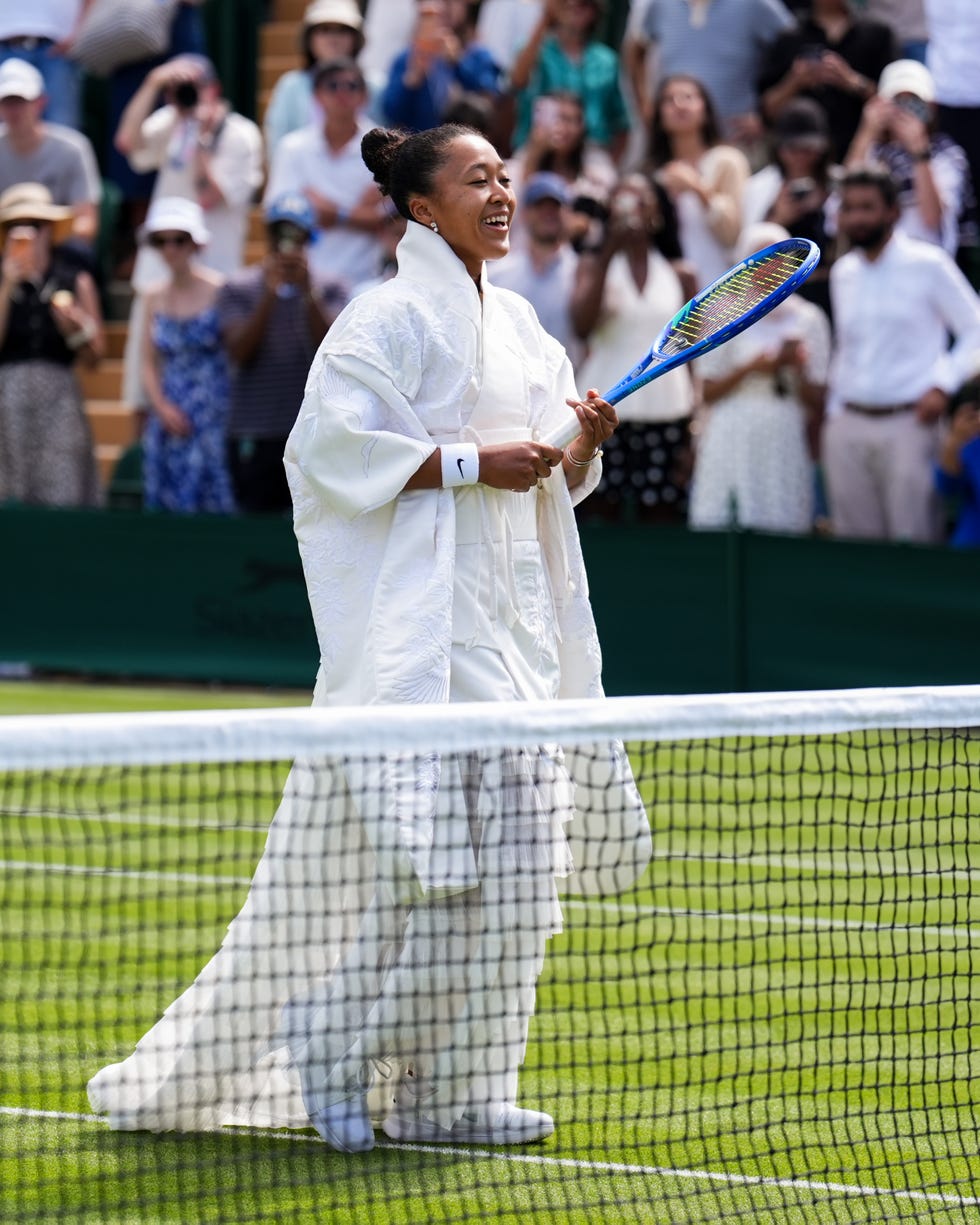
The most interesting part of the outfit was not that it challenged Wimbledon tradition, but that it worked through it.
White can easily flatten a look. Here, it gave the design more focus. Shape, texture, movement and proportion became more important than colour. That made the cultural references feel sharper and more considered.
In a tournament known for control and etiquette, Osaka used fashion in a way that respected the setting while still making the moment hers.
A New Kind of Tennis Style
Tennis fashion is no longer only about performance wear. It has become part of the wider conversation around image, identity and influence.
Osaka is one of the athletes who understands this best. Her style choices often connect to something larger than the match itself. They speak to where she comes from, how she wants to be seen, and how modern athletes are shaping culture outside their sport.
At Wimbledon, that balance matters. The event is historic, formal and closely watched. A successful look must feel fresh without looking out of place. Osaka’s outfit found that line.
Sport, Heritage and Fashion in One Moment
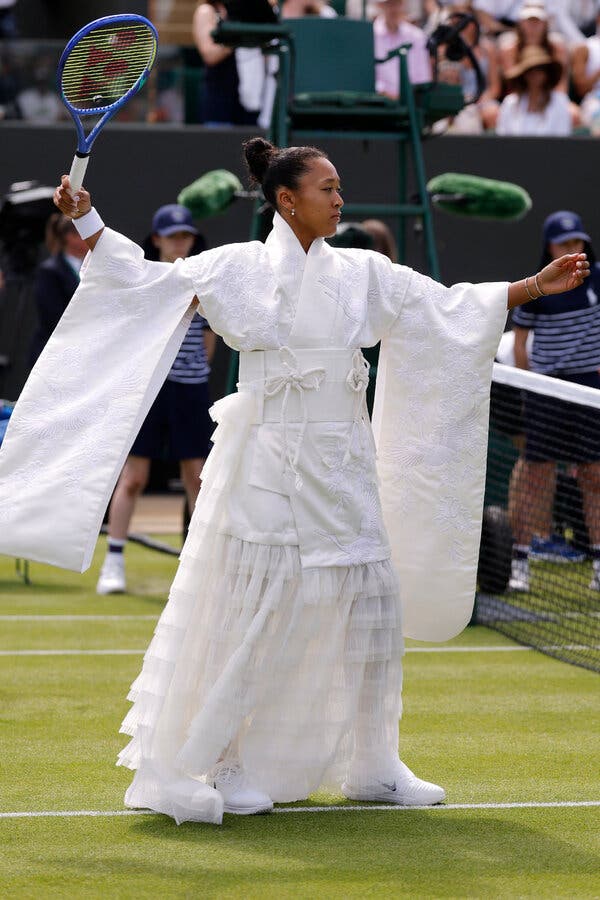
The kimono inspired direction gave the look emotional weight. It suggested heritage without turning the outfit into costume. That distinction is important.
Good cultural fashion does not simply borrow symbols. It translates memory, shape and meaning into something wearable for the moment. Osaka’s Wimbledon outfit did that by using clean lines, controlled drama and a sense of ceremony.
It felt connected to Japan, but still made for Centre Court.
Why Everyone Is Talking About It
The reason Naomi Osaka’s Wimbledon look travelled quickly across fashion and sport media is simple: it had a story.
It was visually strong, easy to recognise, and tied to a global athlete with a clear sense of identity. It also arrived at the right setting. Wimbledon gives fashion moments a rare kind of contrast, because every detail stands out against the all white tradition.
Osaka’s look worked because it was not just beautiful. It had context.
Naomi Osaka’s Wimbledon Look Shows the Future of Athlete Fashion
Modern athletes are no longer separated from fashion culture. They are style figures, brand partners and cultural voices.
Naomi Osaka’s Wimbledon look shows how powerful that role can be when handled with taste. The outfit respected the rules, carried personal meaning, and turned a walk onto court into a wider fashion moment.
That is what makes it stand out. Not shock. Not excess. Recognition.